As Nepal prepares to head to the polls on 5 March, the nation finds itself at a profound crossroads. This general election follows a period of significant political upheaval, including the youth-led protests of 2025 that led to the dissolution of the previous government and the appointment of an interim cabinet. For the approximately 18.9 million registered voters, the stakes extend far beyond economic stability or infrastructure; they touch upon the very identity of the nation.
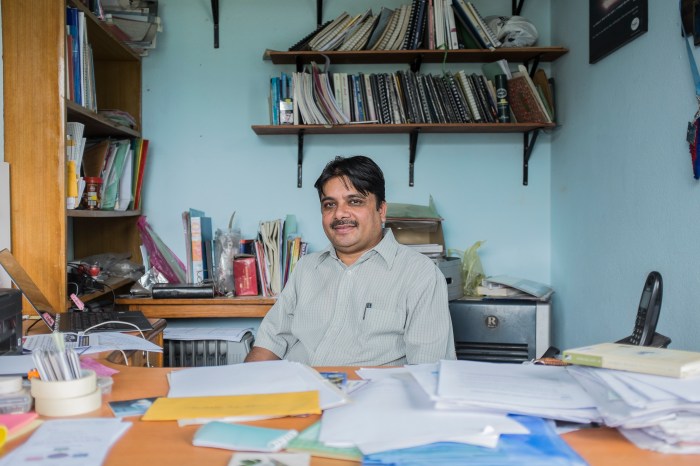
The following Q&A conducted with Pastor Tanka Subedi, a human rights defender and entrepreneur based in Kathmandu, explores the intricate intersection of religion or belief and politics, examining how the upcoming vote might reshape every Nepali’s right to freedom of religion or belief (FoRB).
For readers outside Nepal, how would you describe the country’s religious mix today?
In general, people in Nepal coexist relatively peacefully with followers of other religions, provided that members of their own family or close community are not perceived to be converting. Tensions may arise when organised groups or individuals mobilise sentiment against another religion. Many Hindus consider Buddhists, Kirat, and Masto traditions as part of the broader Hindu cultural framework, and adherents of these traditions often accept this understanding. Islam is largely tolerated within society. Christianity, however, is frequently perceived as a foreign religion, which contributes to social suspicion and sensitivity around its growth.
Although Nepal is constitutionally secular, secularism has limited visible impact in everyday life. Culturally and socially, the country continues to reflect many characteristics of a Hindu nation.
Do most people feel free to practice their religion openly, without fear or pressure?
Not entirely. Christians, in particular, often report experiencing pressure and periodic hostility. Muslims and Buddhists also encounter challenges at times, though they tend to receive stronger protection from the state. When Christians face attacks or legal challenges, the state’s response is often perceived as neutral at best, and at times unsympathetic. Christians appear to be the most vulnerable religious community in the current context.
The anti-conversion laws have significantly altered how Christians practice and express their faith. Even sharing religious publications or speaking openly about Christianity can potentially lead to legal proceedings and imprisonment. This has created a climate of caution and self-restraint.
The general election is on 5 March, has religion become a more sensitive topic?
To some extent, yes. Nationalist groups advocate for Nepal to be reinstated as a Hindu nation. Currently, the Rastriya Prajatantra Party (RPP) is the only major party that openly campaigns for this position, whereas the Nepal Communist Party openly supports religious freedom. Most other parties remain relatively silent on religious issues.
Have you noticed religion being used to influence voters?
Yes. In the present election context, religion is being used, though not always as the central campaign issue. Some political actors appeal to religious identity and cultural nationalism, particularly by invoking the idea of Nepal as a Hindu nation. Public temple visits, participation in religious rituals, and symbolic religious messaging are visible during campaigns and can function as signals to majority voters.
At the same time, issues such as religious conversion and cow protection are occasionally highlighted in ways that resonate with nationalist sentiments. While most major parties avoid explicitly campaigning on religious freedom, religious identity is nevertheless used both subtly and at times openly to consolidate support among particular voter groups.
Do minority communities feel political parties genuinely listen to their concerns?
In general, minority communities feel that parties may listen to them, but without genuine commitment. The Nepal Communist Party (Prachanda lead) has shown comparatively greater engagement, particularly as some members of Christian-background Jana Jagarn Party have joined it.
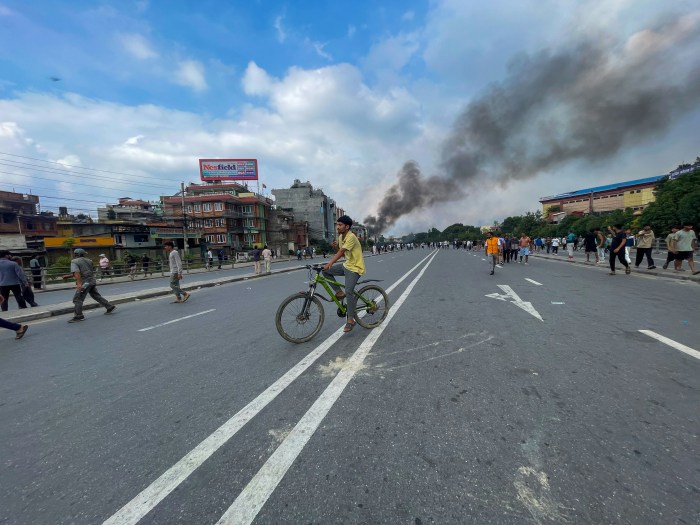
Last year, Gen Z-led protests in Nepal drew international headlines. What sparked these protests?
The protests initially emerged as a genuine Gen Z movement against corruption. However, events escalated rapidly. After the reported deaths of 19 young protesters, anger intensified, and subsequent unrest caused significant damage. While the original protest focused on corruption, later developments may have involved other groups with broader agendas. The core Gen Z movement did not appear to aim at overthrowing the government or altering the constitution.
I do not believe [the protests] reflect a broad restriction of social freedoms. Nepal generally allows considerable civic space, with the notable exception of limitations surrounding religious freedom. The temporary ban on social media in the early phase of the protests may have further fuelled tensions.
Do you think Gen Z’s political engagement could change how future elections are shaped?
At present, Gen Z political engagement remains limited. Some individuals presented as representatives of Gen Z are older political actors. Therefore, it is unclear whether this movement will significantly reshape future elections.
How does media coverage handle religion during election seasons?
Religion does not receive extensive coverage. However, issues such as religious conversion and cow slaughter are occasionally highlighted in a negative light. Political leaders often publicly demonstrate support for Hinduism by visiting temples during their campaigns.
What are your biggest hopes or concerns about how these elections could affect freedom of religion or belief?
I remain uncertain. If emerging political leaders such as Balenendra Shah, commonly known as Balen, were to assume national leadership and implement substantial reforms, outcomes could vary significantly. International engagement and diplomatic pressure may also influence whether FoRB is strengthened. Without such engagement, the future could become more challenging for minority religious communities.
The [next] government should consider constitutional amendments that more clearly safeguard freedom of religion or belief and provide stronger legal protection for religious minorities.
On a personal level, how do these elections make you feel about Nepal’s future?
I feel cautious rather than optimistic. Some leading political figures and parties are relatively new and have yet to demonstrate political maturity. Certain past public statements have reflected divisive rhetoric, and there is not yet a clearly articulated roadmap for national development.
The 2026 election is more than a change in leadership; it is a test of Nepal’s maturity as a secular republic. The insights shared in this Q&A suggest that while the country has made strides on paper, the everyday reality for many religious communities is one of caution rather than optimism. The influence of regional dynamics and the persistent perception of Nepal as a ‘Hindu nation’ continue to shape the limits of religious expression and legal protection.
For the next government, the mandate is clear: there is an urgent need for constitutional clarity and stronger legal safeguards to ensure that FoRB not just a high-minded ideal, but a protected right for every Nepali. As international observers look on, they must understand that Nepal’s journey toward true FoRB is still being written. The hope remains that a new generation of leaders will find the political will to articulate a roadmap for national development that embraces the country’s full religious and cultural diversity. Until then, the future of FoRB in Nepal remains a delicate balance of hope and vigilance.
By CSW’s Asia Team Leader