A hero of the faith: Remembering Shahbaz Bhatti

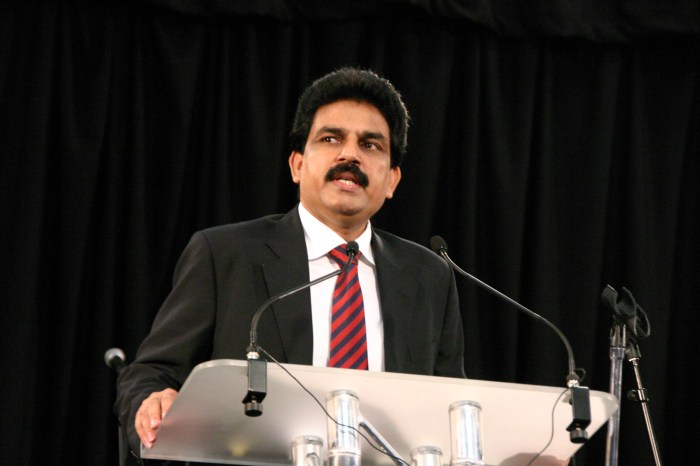
On 2 March 2011 Shahbaz Bhatti, Pakistan’s Minister for Minorities Affairs, was assassinated as he left his mother’s house in Islamabad. He had spent his life dedicated to standing up and speaking out for marginalised and vulnerable minorities in Pakistan, and his legacy is still felt today.

On the 11th anniversary of his assassination, Mr Bhatti’s nephew David writes about his uncle’s life and legacy, and the situation for minorities in Pakistan today:

On a recent trip to Rome, Italy, I was able to tour the Basilica di San Bartolomeo all’Isola. For the last twenty years, this ancient church has been dedicated to the memory of Christian martyrs of the 20th and 21st centuries. Pilgrims and tourists from around the world go there to learn about and gain inspiration from individuals who – from Africa to South America, through Communism and Nazism – made the ultimate display of self-sacrificial love in the face of tyranny and evil.

On my visit, I was able to once again see, after eleven years, my uncle Shahbaz Bhatti’s bible which is displayed alongside the relics of the New Martyrs of Asia, Oceania, and the Middle East. This was the very bible that I would see on his nightstand on my visits to Pakistan – the book in which he would be immersed every morning, through which he gained his strength, and by which he lived his life. Today, it serves as an enduring symbol of his legacy: of his unwavering dedication to serving others and of his faithful and fearless pursuit for justice.

Continue reading “A hero of the faith: Remembering Shahbaz Bhatti”

Attacked, harassed and ostracised: Christians in India continue to suffer as the country slides further still into ethno-religious nationalism

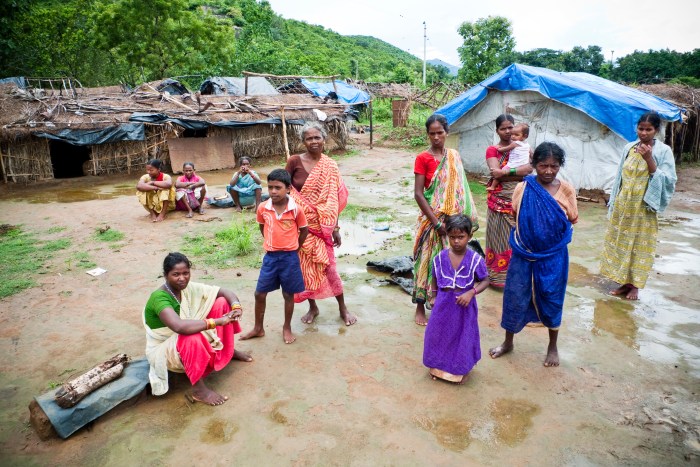
Last week, the Religious Liberty Commission of the Evangelical Fellowship of India (EFI) released its annual report on Hate and Targeted Violence against Christians in India in 2021. It documented 505 individual incidents of violence across the country in 2021, including three murders, as well as other forms of harassment against Christians including disruption to worship services, social boycott and ostracisation, and forced conversion to Hinduism.

The report states: “No denomination – whether organized or a lonely independent worshipping family or neighborhood group – none has been spared targeted violence and intense, chilling hate, the worst seen since the general election campaign of 2014. The year 2021 saw calls for genocide and threats of mass violence made from public platforms, and important political and religious figures on the stage.”

Reverend Vijayesh Lal, General Secretary of the EFI, spoke to CSW about various issues facing Christians in the country today:

Continue reading “Attacked, harassed and ostracised: Christians in India continue to suffer as the country slides further still into ethno-religious nationalism”

‘This should never have happened to her’ – the story of Arzoo Raja

Pakistani weddings are extravagant affairs. Guestlists are filled with hundreds of names of relatives and friends. People come from various cities and even abroad for colourful celebrations filled with music and dancing. Often, brides’ homes are so packed with relatives that there is hardly room to move.

About a month or so before the wedding, smaller events take place at the homes of both the bride and groom. Friends and family begin to choreograph wedding dances and wedding songs to the rhythm of the dholak, a two headed hand drum.

A few days prior to the wedding, the Mayun takes place. This marks the start of the husband and wife-to-be being separated from each other until the day of the wedding, with brides beautifying themselves by refraining from wearing anything on their faces and undergoing herbal skin treatments to improve their complexion.

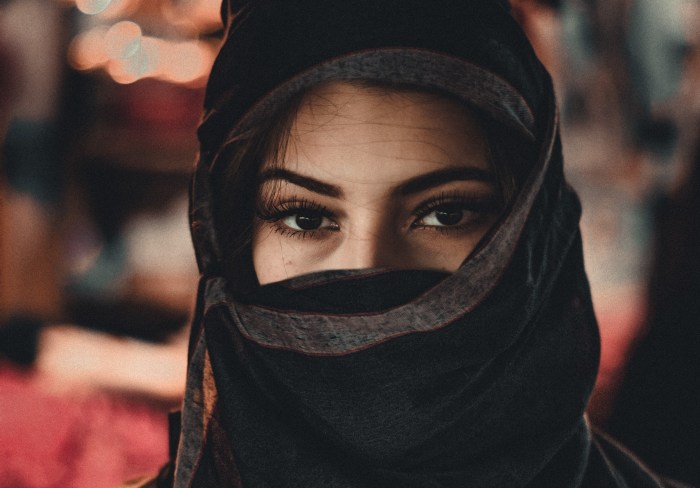
None of this occurred in the case of Arzoo Raja. In fact, this young Christian’s so-called ‘marriage’ is essentially a crime, because Arzoo was abducted on 13 October 2020 from the street outside her home in Karachi Railway Colony, Sindh Province, and forced to convert and to ‘marry’ a man more than twice her age. Under the Sindh Child Marriage Restraint Act, the legal age for marriage is 18, and being a child of 13, she was in no position to consent or escape.

Continue reading “‘This should never have happened to her’ – the story of Arzoo Raja”

New Education Policy 2020: A subtle attempt to reshape India’s collective thinking

In July 2020, Indian Prime Minister Narendra Modi and his government released a 62-page ‘New Education Policy’ (NEP) to much excitement. It had been 34 years since the last education policy was rolled out, so the excitement was understandable.

On the surface, the policy looks grand and attractive. It speaks of reformation and becoming a ‘Global Knowledge Superpower’. However, India’s religious minorities are dissatisfied. In the 18 months since its release, there have been several protests against it by Muslim and Christian groups, claiming that they have been left out of the central government’s glorious vision for the future. 

Here are some of the key concerns. 

Lack of representation of religious minorities

While the 1986 education policy focused on giving minorities and women access to education, reducing child drop out rates and introducing education for adults, the NEP 2020 seems to focus more on technology, new-age curricula and innovation, with hardly any specific agenda to uplift members of minority communities. In fact, the word ‘minority’ is only mentioned twice and ‘Muslim’ is mentioned once – ironically to admit that they are under-represented. 

Continue reading “New Education Policy 2020: A subtle attempt to reshape India’s collective thinking”

One year on from the coup in Myanmar, today must be a turning point

By Benedict Rogers

A year ago today, Senior General Min Aung Hlaing, Commander-in-Chief of Myanmar/Burma’s military, ordered his troops to take over government buildings, raid the offices of the governing party, arrest members of Myanmar’s democratically elected government and Parliament, shut down independent media, take control of the state media and seize power in a brutal coup d’etat. His decision turned the clock back by more than a decade, reversing ten years of fragile democratisation in which the country had seen credible elections, an independent media, the release of political prisoners, a vibrant civil society and opening up to the international community.

Of course, that decade of reform was far from perfect – not least because it included the genocide of the Rohingyas, continued conflict in ethnic states, particularly Kachin, Shan and Rakhine, and the rise of extreme religious nationalism leading to increased religious discrimination and persecution. But nevertheless, it allowed some seeds of political liberalisation to grow, and enabled the people of Myanmar to vote freely.

Twice – in 2015 and 2020 – Aung San Suu Kyi and her National League for Democracy (NLD) won an overwhelming mandate to govern. After years under house arrest, prison, hiding or exile, the NLD – whose mandate from the 1990 elections was never accepted by the military – was now in government.

Continue reading “One year on from the coup in Myanmar, today must be a turning point”