Freedom of religion or belief and the UK general election: what do the manifestos say?

Around the world, hundreds of thousands of people face discrimination, marginalisation, harassment, intimidation, violence and even persecution for their religion or belief.  At the same time, in the policy circles of many countries, freedom of religion or belief (FoRB) is increasingly gaining prominence and being recognised as inextricably connected with wider human rights initiatives.

As the political parties in the UK release their manifestos for the July 2024 General Election, it is essential they take into account the current status of FoRB in the foreign policy landscape. This is a tricky landscape to navigate.

Foreign policy is not typically a hot electoral issue, and of course much depends on the internal and external political situations, among other considerations. Yet it is essential for parties to formulate a position on effectiveness in this field, for both ethical and practical reasons. The former lies in the responsibility of a modern democracy to have a principled approach to the world; the ethical responsibility inherent in working for the welfare of others who are less fortunate. The latter dictates that international relations and trade are best conducted with partners who respect human rights and are intolerant of any kind of inhumanity.

Continue reading “Freedom of religion or belief and the UK general election: what do the manifestos say?”

Is European democracy too immature to address freedom of religion or belief? 

While the situation of people in other countries is too rarely a priority electoral issue, some politicisation of human rights is nevertheless common. From the perspective of an advocate for freedom of religion or belief, when done correctly and appropriately, party-political engagement on this human right can of course be expedient. At its best, it can elevate public attention to often severe injustices occurring abroad, and lay a strong policy platform for how they will be addressed post-election. But, at its worst, political positions and electoral tactics can be employed that lack sincerity, nuance, and even basic good will. 

Mistakes in this area are perpetrated by both conservatives and progressives. This piece summarises some of the things that these political blocs tend to get wrong and right, respectively. It is meant both for the benefit of voters, making them more aware of the calculations and strategies happening behind the scenes in party HQs; and also, to hold up a mirror to those directly involved in campaigning, challenging them to think more critically, and constructively, about their approaches. 

Continue reading “Is European democracy too immature to address freedom of religion or belief? “
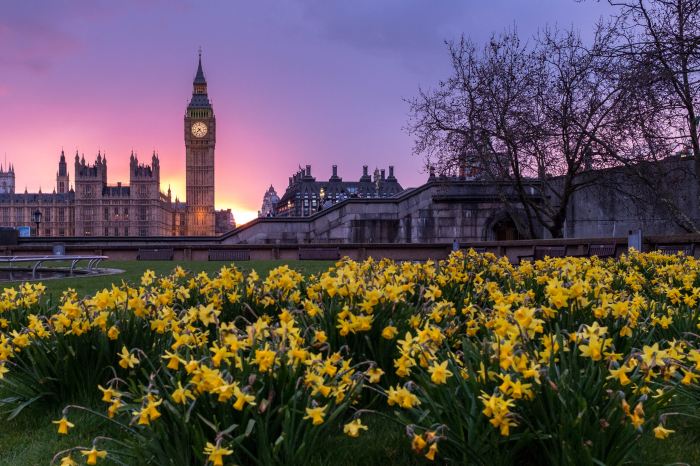
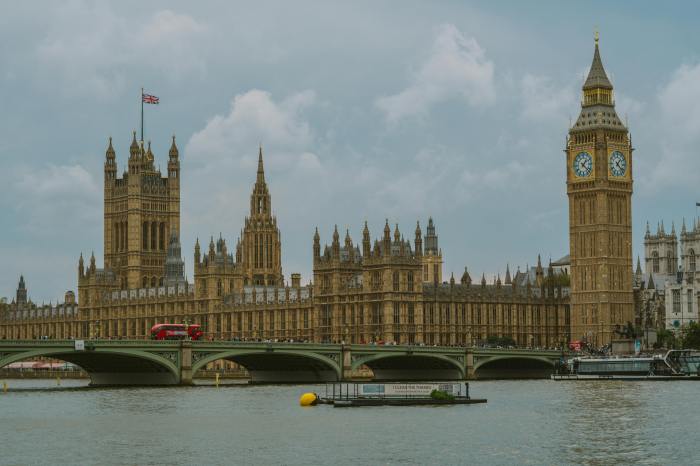
Daffodils in front of the UK Houses of Parliament

Combatting impunity is essential for the realisation of the right to freedom of religion or belief 

Violations of freedom of religion or belief (FoRB) take many forms: harassment, discrimination, threats, imprisonment or even death on account of one’s religion or belief. The impunity that generally surrounds these violations undercuts the rule of law, denies justice to victims, and perpetuates an environment conducive to further violations. The issue is multifaceted and nuanced, with socio-political, legal, and psychological dimensions.

Socio-political implications

When state or non-state actors perpetrate FoRB violations without facing repercussions, it critically erodes public trust in the institutions responsible for upholding the rule of law. This erosion of trust threatens social cohesion and contributes to societal fragmentation.

Continue reading “Combatting impunity is essential for the realisation of the right to freedom of religion or belief “
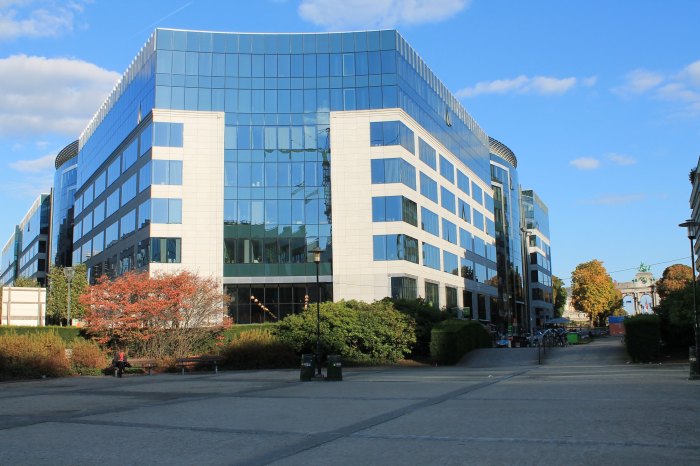
European External Action Service Headquarters in Brussels.

The Myanmar junta should have no place at the ASEAN-EU Human Rights Dialogue

Last week, soldiers of the Myanmar/Burma military reportedly beheaded three men in Pale Township in the Sagaing Region of Myanmar. Two of them were civilians, and the third a member of a People’s Defense Force in Nyaunggon Village.

A witness told The Irrawaddy news website that the men had been killed as they returned to their village on 27 September, thinking that the junta troops who had occupied it for the past two and half weeks had left. One man’s head was hung on a fence, another placed on a chair, and the third ‘had his abdomen cut open, intestines taken out, limbs cut off and [then] put into his abdomen.’

The same day, at least 19 children and their teacher were injured when the regime shelled a monastic school in Wuntho Towsnhip, also in the Sagaing Region. Most were aged between five and eight, and seven of them were critically wounded.

Continue reading “The Myanmar junta should have no place at the ASEAN-EU Human Rights Dialogue”
European flags flying in Strasbourg.

How trade can be leveraged as a foreign policy tool to press for human rights improvements

Trade can be used as a foreign policy tool – including as leverage on human rights issues. But there are two foundational principles of international trade law which dictate how this can and cannot be done.

The first, ‘national treatment’, requires that once a good or service has entered a country’s market, it should be treated equally to those produced locally. This means, for example, that once an item of clothing manufactured in Sri Lanka enters the Belgian market, the government generally cannot impose additional restrictions on the product which differ from those applied to clothing manufactured in Belgium; and there are restrictions on giving domestic companies advantages through, for example, subsidies (‘state aid’).

The second, known as ‘Most-Favoured-Nation (MFN)’, restricts countries from granting special access to only select other countries. It does this by requiring that if a country wants to grant special trade preferences to another country, it must do so for all. This means that the UK, for example, cannot unilaterally offer special exceptions to imports from India or the US without also offering them universally.

Continue reading “How trade can be leveraged as a foreign policy tool to press for human rights improvements”