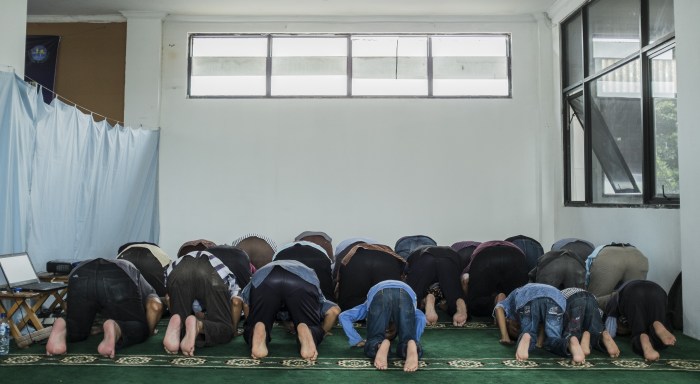
Indonesia’s presidential elections: How have human rights fared under Jokowi?

Indonesia’s presidential election is imminent; on 14 February President Joko Widodo, popularly known as Jokowi, will step down after two terms in office and the world’s third-largest democracy and largest Muslim-majority nation will head to the polls to elect their next leader. National and local parliamentary representatives and senators will also be voted on.

The election carries with it significant implications for human rights including freedom of religion or belief (FoRB). How have religious minorities fared under Widodo’s presidency and what must be addressed by the incoming president to improve the FoRB for all in the country?

The instrumentalization of religion in politics

Jokowi is a popular figure in Indonesia, with 97% of non-Muslims voting for him in the 2019 elections, but his election promises of addressing past human rights abuses, inequalities and bolstering rights protections remained largely unrealised. Under Jokowi’s presidency, discriminatory practices and violent assaults on ethnic and religious minorities have persisted.

Continue reading “Indonesia’s presidential elections: How have human rights fared under Jokowi?”
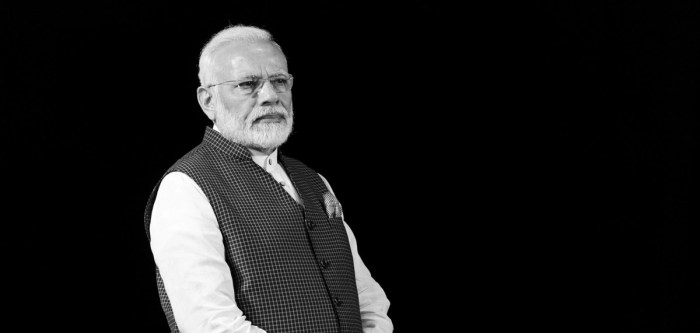
‘Emperor of Hindu hearts’: Narendra Modi rebranded

Millions of Hindus in India and across the world watched with pride as India’s Prime Minister Narendra Modi inaugurated the grand Ram Mandir (Ram temple) in Ayodhya, Uttar Pradesh on 22 January.

It was a historic moment that many devotees had been waiting to witness for decades. This is the site that is believed to be the birthplace of one of the most revered Hindu deities, Ram, and the inauguration of the temple or the Pran Pratishta ceremony (the act of consecrating the idol in the temple and bringing it to life) held deep religious significance.

More than 7,000 people were invited as guests, including top Bollywood celebrities, cricketers, large business owners and about 4,000 Hindu priests. There were seas of saffron not just in Ayodhya but across the country where people gathered in smaller local temples to celebrate the occasion.

Continue reading “‘Emperor of Hindu hearts’: Narendra Modi rebranded”

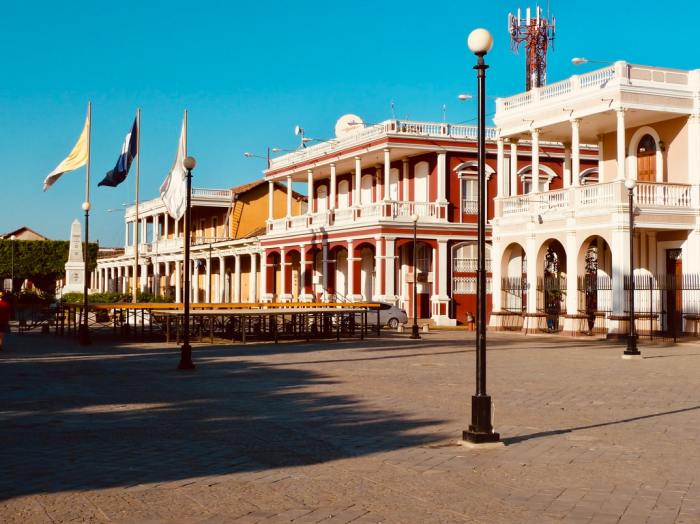
A mockery of democracy: The international community must maintain firm pressure on Nicaragua

On 7 November 2021, Daniel Ortega was re-elected President of Nicaragua after months of government repression and violence against protesters. On 10 January 2022 he was inaugurated. This long read on the government’s history of repression against the citizens of Nicaragua was informed by testimonies from several individuals whose names have been withheld for security reasons.

In the first week of June 2021, the political landscape of Nicaragua transformed overnight when police arrested five opposition candidates who were on the ballot for the country’s November 2021 elections. What began as covert government repression of opposition candidates in the election burst into the open as many of them were suddenly detained.

In Nicaragua, the will of a repressive leader is above the law.

The most flawed election in Nicaragua’s history

Since the re-election of Daniel Ortega on 7 November 2021, analysts have contended that the electoral process was one of the most flawed in the country’s history as a democracy, as it was characterised by the arrests of numerous opposition candidates. To many, the scenario for Nicaragua seems hopeless.

Continue reading “A mockery of democracy: The international community must maintain firm pressure on Nicaragua”