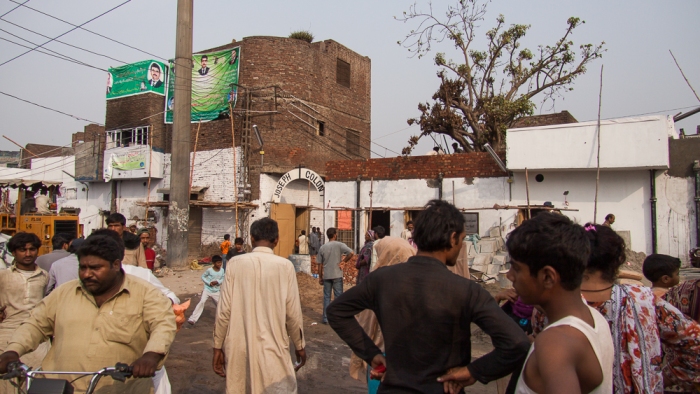
Joseph Colony in Lahore, Pakistan, which was infamously attacked in March 2013 after Sawan Masih was accused of blasphemy.

Pakistán necesita despertar a la crisis creada por la ley de blasfemia antes de que sea demasiado tarde

El mes pasado, la profanación y quema del Corán en Estocolmo, Suecia, provocó una condena mundial. Pakistán fue testigo de protestas generalizadas y calificó el acto como blasfemo y profundamente dañino para los sentimientos de la comunidad musulmana. Un grupo extremista prohibido en el país, Lashkar-e-Jhangvi, lo calificó como un ataque de cristianos contra musulmanes y pidió a sus seguidores que ataquen asentamientos cristianos y maten cristianos, al tiempo que prometen que harán de Pakistán un “infierno para los cristianos”.

La semana pasada, en la ciudad de Sargodha, en la provincia de Punjab, se encontró un cartel blasfemo cerca de una mezquita local. Esto llevó a los lugareños a reunirse en protesta y exigir que la policía encuentre a un cristiano del cercano asentamiento cristiano de Maryam Town. Desde entonces, las tensiones en el área han sido altas con una mayoría de  3.000-4.000 de familias cristianas que huyen de sus hogares debido al temor de ataques relacionados con la mafia.

Las tensiones por blasfemia ya han tenido consecuencias devastadoras en Pakistán este año. El 6 de mayo, un clérigo local de la ciudad de Mardan, provincia de Khyber Pakhtunkhwa, fue asesinado por una turba tras ser acusado de hacer una referencia blasfema durante un mitin político del partido del ex primer ministro Imran Khan. En febrero, una turba  en la ciudad de Nankana Sahib, Punjab, irrumpió en la comisaría de policía y procedió a linchar y matar a un hombre acusado de blasfemia.

Continue reading “Pakistán necesita despertar a la crisis creada por la ley de blasfemia antes de que sea demasiado tarde”
Joseph Colony in Lahore, Pakistan, which was infamously attacked in March 2013 after Sawan Masih was accused of blasphemy.

Pakistan needs to wake up to its blasphemy law crisis before it is too late

Last month, the desecration and burning of the Quran in Stockholm, Sweden sparked worldwide condemnation. Pakistan witnessed widespread protests and termed the act as blasphemous and deeply damaging to the sentiments of the Muslim community. A banned extremist group in the country, Lashkar-e-Jhangvi, labelled it as an attack by Christians on Muslims and called on their followers to attack Christian settlements and kill Christians, while further vowing that they will make Pakistan a ‘hell for Christians’.

Last week, in the city of Sargodha, in Punjab province, a blasphemous poster was found near a local mosque. It prompted locals to gather in protest and demand that the police find a Christian from the nearby Christian settlement of Maryam Town. Since then, tensions in the area have been high with most of the 3,000-4,000 Christian families fleeing their homes due to fear of a mob related attacks.

Tensions over blasphemy have already had devastating consequences in Pakistan this year. On 6 May, a local cleric in the city of Mardan, Khyber Pakhtunkhwa province, was killed by a mob after he was accused of making a blasphemous reference during a political rally of former Prime Minister Imran Khan’s party. In February a mob in the city of Nankana Sahib, Punjab, stormed the police station and proceeded to lynch and kill a man accused of blasphemy.

Continue reading “Pakistan needs to wake up to its blasphemy law crisis before it is too late”

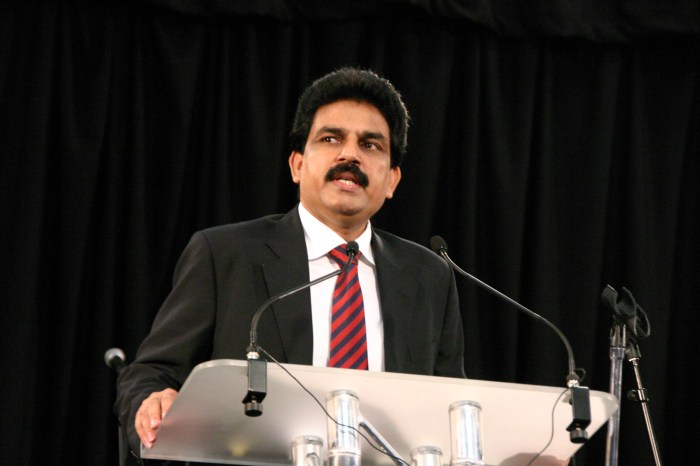
A hero of the faith: Remembering Shahbaz Bhatti

On 2 March 2011 Shahbaz Bhatti, Pakistan’s Minister for Minorities Affairs, was assassinated as he left his mother’s house in Islamabad. He had spent his life dedicated to standing up and speaking out for marginalised and vulnerable minorities in Pakistan, and his legacy is still felt today.

On the 11th anniversary of his assassination, Mr Bhatti’s nephew David writes about his uncle’s life and legacy, and the situation for minorities in Pakistan today:

On a recent trip to Rome, Italy, I was able to tour the Basilica di San Bartolomeo all’Isola. For the last twenty years, this ancient church has been dedicated to the memory of Christian martyrs of the 20th and 21st centuries. Pilgrims and tourists from around the world go there to learn about and gain inspiration from individuals who – from Africa to South America, through Communism and Nazism – made the ultimate display of self-sacrificial love in the face of tyranny and evil.

On my visit, I was able to once again see, after eleven years, my uncle Shahbaz Bhatti’s bible which is displayed alongside the relics of the New Martyrs of Asia, Oceania, and the Middle East. This was the very bible that I would see on his nightstand on my visits to Pakistan – the book in which he would be immersed every morning, through which he gained his strength, and by which he lived his life. Today, it serves as an enduring symbol of his legacy: of his unwavering dedication to serving others and of his faithful and fearless pursuit for justice.

Continue reading “A hero of the faith: Remembering Shahbaz Bhatti”

Human Rights Day: Standing up and speaking out until everyone is free to believe

Today is Human Rights Day. It marks the 73rd anniversary of the United Nations (UN) General Assembly’s adoption of the Universal Declaration of Human Rights (UDHR), a milestone document which proclaims the inalienable rights that everyone is entitled to as a human being.

Article 18 of the UDHR declares “Everyone has the right to freedom of thought, conscience and religion; this right includes freedom to change his religion or belief, and freedom, either alone or in community with others and in public or private, to manifest his religion or belief in teaching, practice, worship and observance.”

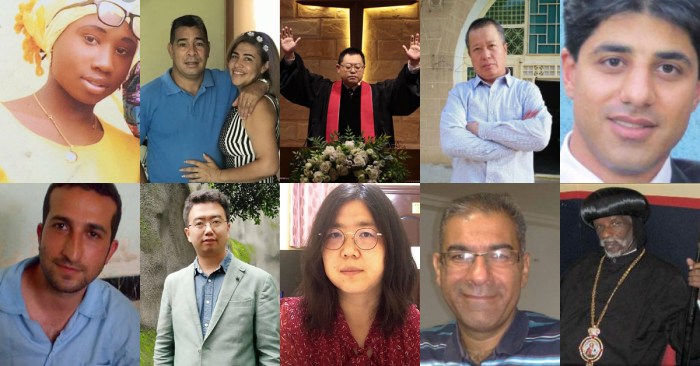
It conveys the principle that everyone should be free to believe whatever they choose to believe; however, in many countries around the world, individuals have not only been denied this freedom, but their physical freedom also on account of their religion or belief.

Continue reading “Human Rights Day: Standing up and speaking out until everyone is free to believe”