On freedom of religion or belief, the UK government needs to turn its rhetoric to reality

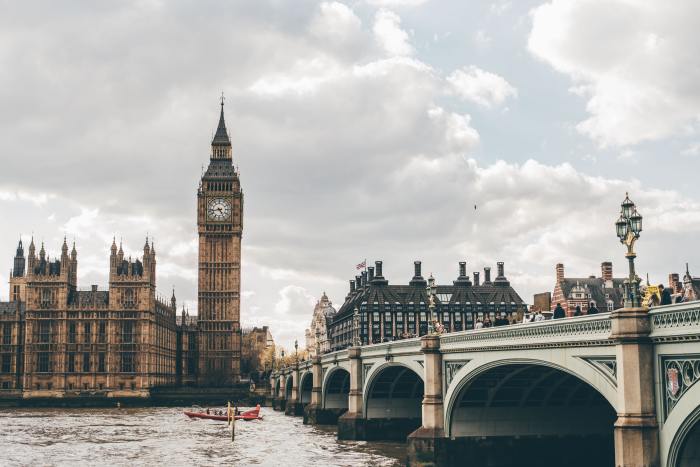
“The fact is that we simply can’t afford to be religiously illiterate in today’s world. To be religiously illiterate in today’s world is simply to fail to understand how and why others act as they do.” – These are the words of Bishop Philip Mounstephen, the Bishop of Truro, speaking at the deferred 175th anniversary celebration of The National Club earlier this month.

Bishop Mounstephen has been a friend of mine, and of CSW, for a number of years now, so it will come as little surprise that we fully support his assertion. As the bishop outlined so eloquently in his speech, freedom of religion or belief (FoRB), cannot be seen as a “side-bar” or “special interest” issue. In fact, it is a fundamental human right, the abuse of which so often leads to wider human rights violations as it intersects with issues such as poverty, race and gender.

Fortunately, the UK government appears to agree. Last year, upon the appointment of Fiona Bruce MP as the Prime Minister’s Special Envoy for FoRB, Boris Johnson said: “The UK is absolutely committed to protecting the inalienable right to freedom of religion and belief, at home and around the world.”
Continue reading “On freedom of religion or belief, the UK government needs to turn its rhetoric to reality”

Sudan’s military coup: lessons from Egypt and the wider region

In February 2021, CSW warned that slow progress in ushering a new era for Sudan risked derailing the inclusive national vision that had united so many of its citizens in protest, and which led to the fall of the al-Bashir regime and the creation of a transitional government. Our blog post pointed to the need to learn from neighbouring Egypt’s experiences.

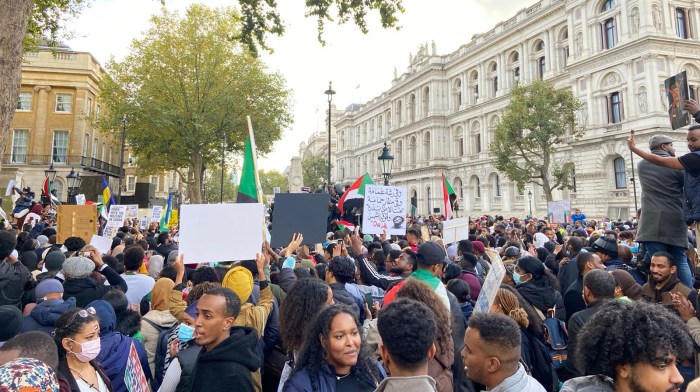
On 25 October 2021, the transitional council was overthrown, and the military seized power in a coup. Once again there are lessons to be drawn from Egypt, and the wider region, in understanding the challenges to democracy in Sudan today.

Both Sudan and Egypt have a complicated history of the involvement of the military in politics. One of the key differences in the two nations’ relationship with the military, however, is one of ideology.

In the immediate post-Mubarak era, the military effectively paved the way for a Muslim Brotherhood electoral victory.  However, when the army intervened in political affairs for the second time, it set out to control the excesses of the Brotherhood’s Freedom and Justice Party, positioning itself as the guardian of the Revolution and assisting in the overthrow of the government following mass protests.  

Continue reading “Sudan’s military coup: lessons from Egypt and the wider region”

365 days and counting: The international community still needs to end the suffering of Tigray

On 4 November 2020 Ethiopian Prime Minister Abiy Ahmed ordered a military offensive against the Tigray Peoples’ Liberation Front (TPLF) forces in response to an attack on a federal army base which the Tigrayan authorities described as pre-emptive. Troops from Eritrea and Somalia joined the ENDF in launching a pincer movement against the Tigrayans, and communications to the region were cut and remain disrupted to this day. 

The attack marked the beginning of a conflict which is still ongoing, one in which over 52,000 people have died, and an estimated 1.7 million have been displaced internally. One year on and the crisis in Tigray is showing no signs of coming to an end, with Prime Minister Abiy pledging to “bury this enemy with our blood and bones and make the glory of Ethiopia high again” in a statement on 3 November – hardly the words expected from a Nobel Peace Prize winner.

Along with the Eritrean leader, PM Abiy and his government are responsible for a horrific campaign of violence against the people of Tigray which a joint investigation by the Ethiopian Human Rights Commission (EHRC) and the UN Human Rights Office (OHCHR) recently found may have involved war crimes and crimes against humanity, a finding they attribute to both sides of the conflict.

Continue reading “365 days and counting: The international community still needs to end the suffering of Tigray”

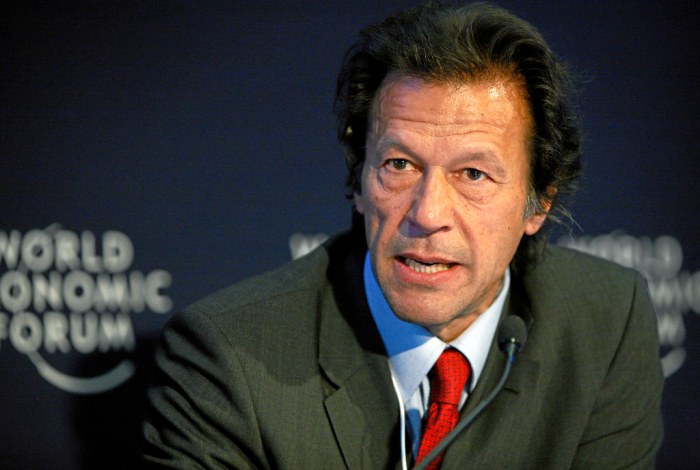
Imran Khan: Defender of Islam or political opportunist?

On 17 September 2021, less than a month after seizing control of the country, the Taliban effectively banned girls from secondary schools in Afghanistan after they ordered schools to resume classes for boys only.

The move marked a realisation of fears that had been raised ever since the Taliban regained power, and was met with widespread and routine international condemnation from countries and human rights organisations alike. One of the more surprising critics however was Pakistani Prime Minister Imran Khan, who told the BBC that preventing women from accessing education would be ‘un-Islamic’.

The reason for such surprise is that while Prime Minister Khan has expressed somewhat mixed feelings regarding the Taliban’s takeover of Afghanistan, he has encouraged the international community, and particularly the United States, to recognise their authority. In addition, his own government has entered into talks with the organisation, and Khan himself has pledged to ‘forgive’ members of the group if reconciliation is achieved.

Developments such as these already start to make Khan’s criticisms of the Taliban ring hollow, but they are made even more interesting when considered in conjunction with his own rhetoric regarding what is and isn’t un-Islamic in his own country.

Continue reading “Imran Khan: Defender of Islam or political opportunist?”

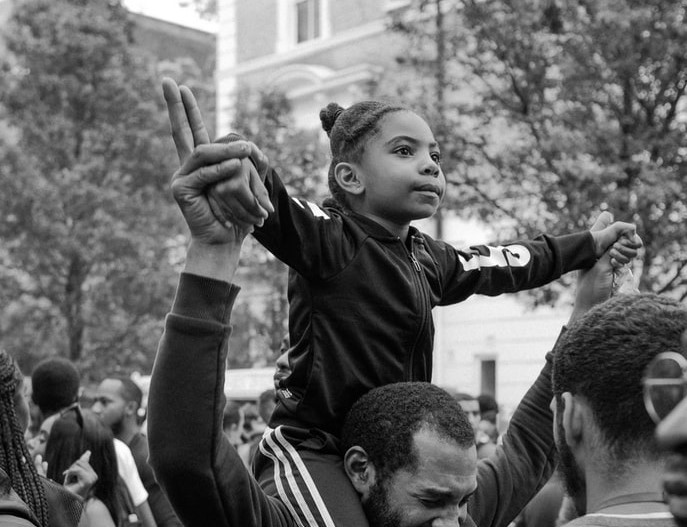
UK Black History Month 2021: Proud To Be

In the United Kingdom, the month of October is dedicated to reflecting, learning – or in some cases re-learning – history that the Black community has always been a part of and contributed to.

This year the theme for Black History Month UK is ‘Proud To Be.’ It is an opportunity not only to celebrate being Black when it is so often not visible in certain spaces, represented incorrectly, politicised, or even penalised, but also to take a holistic approach to history by highlighting contributions to areas of human development which are otherwise omitted from curricula.

The past year has been one of intense discussion of issues related to race in the UK and beyond, with Black Lives Matter protests spreading across much of the world, galvanised by the viral video of the murder in Minneapolis, Minnesota, of George Floyd by policeman Derek Chauvin. 

Continue reading “UK Black History Month 2021: Proud To Be”