No matter how hard it tries, the Nicaraguan government cannot make the evidence of its human rights violations disappear

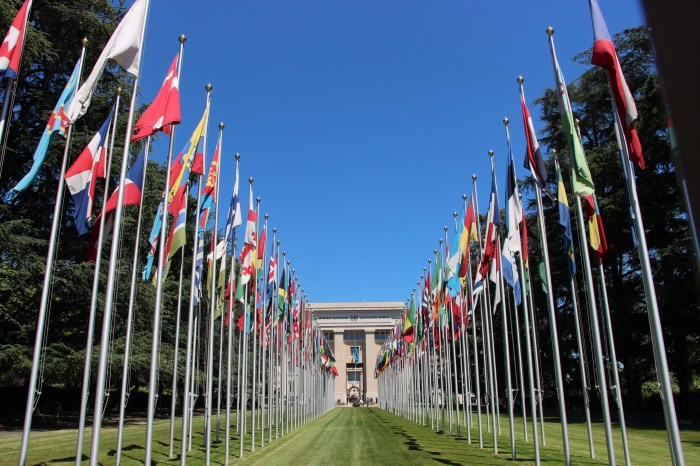
On 24 February, the United Nations Group of Human Rights Experts on Nicaragua (GHREN) published its latest report to the UN Human Rights Council (HRC).  

The GHREN, tasked with conducting thorough and independent investigations into all alleged human rights violations and abuses committed in Nicaragua since April 2018, focused its report on the institutions and individuals responsible for violations in Nicaragua, complete with an annex of 10 functional diagrams ‘illustrating the de jure and de facto connexions between different State and non-State entities.’  The report also drew attention to the four-phase strategy of the Ortega-Murillo regime designed to gain absolute control of the country and to how the regime’s recent constitutional reforms provide unchecked executive authority.  

The findings of the GHREN’s report are supported by a total of more than 1,500 interviews and 7,500 documents, and are also backed by reports by civil society organisations (CSOs) who have consistently and independently documented human rights violations. CSW, for example, documented 222separate cases involving violations of freedom of religion or belief (FoRB) in 2024 alone, with most involving multiple violations and some affecting thousands of people. 

Continue reading “No matter how hard it tries, the Nicaraguan government cannot make the evidence of its human rights violations disappear”

The case for EU sanctions on Sudan’s military leaders

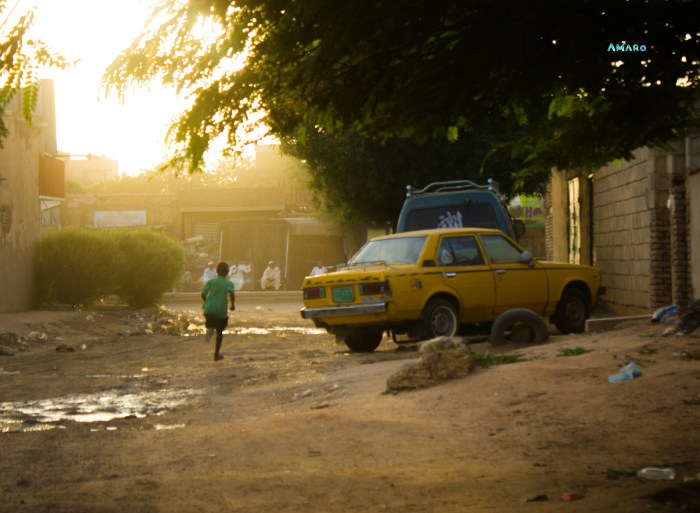
With over 14 million people displaced, the world’s largest humanitarian crisis is currently taking place in Sudan. Abdel Fattah al-Burhan (“Burhan”), leader of the Sudan Armed Forces (SAF, i.e. the national army); and Mohamed Hamdan Dagalo (“Hemedti”), leader of the Rapid Support Forces (RSF) militia, have vested interests in the continuation of conflict, and were this larger one to settle, there would likely be other domestic conflicts with armed groups in Darfur, South Kordofan and Blue Nile which have not taken a side in this war. Additionally, the current conflict has seen the formation of a coalition of militias that have joined with either the SAF or RSF.  

The international community must therefore seek concertedly to secure a lasting ceasefire, and to bring an end to this war in such a way that neither Burhan nor Hemedti is in a position to play a role in the country’s future governance. There have been moments in recent history when the international community has fallen for compromises that appeared to offer  stability in the short-term, for example the civilian-led transitional government that gave both Burhan and Hemedti prominent positions in a power sharing Sovereign Council following the ouster of President Omar al-Bashir in 2019, only for their October 2021 coup to remove civilian leaders and effectively install a military-controlled government, which has been in place since then. The only path toward a viable and stable future for Sudan is through an unencumbered civilian leadership. 

Continue reading “The case for EU sanctions on Sudan’s military leaders”
UK Parliament

Now the UK has a new Special Envoy, what does that mean for freedom of religion or belief?

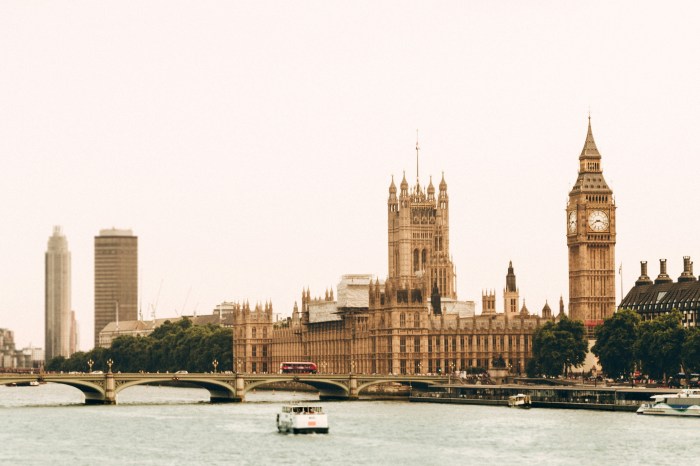
After the new Labour government took office in July, one of CSW’s key priorities was ensuring the appointment of a Special Envoy for Freedom of Religion or Belief (FoRB). Without this role, the UK’s ability to advocate effectively for FoRB globally would have been severely impeded. The position was left vacant for months, raising concerns among civil society organisations, religious and belief groups, and parliamentarians committed to this fundamental human right. 

Finally, on 11 December, David Smith MP was appointed as the Special Envoy for FoRB — a significant shift, as the post is no longer ‘The Prime Minister’s’ Special Envoy, but a Special Envoy for FoRB in its own right. This distinction matters. It signals a potential recalibration of the role, embedding it more firmly within broader UK governmental structures while maintaining its critical focus on international religious freedom, although perhaps at the cost of the direct access to the Prime Minister enjoyed by previous Special Envoys. 

Continue reading “Now the UK has a new Special Envoy, what does that mean for freedom of religion or belief?”

Why don’t they just come here legally?

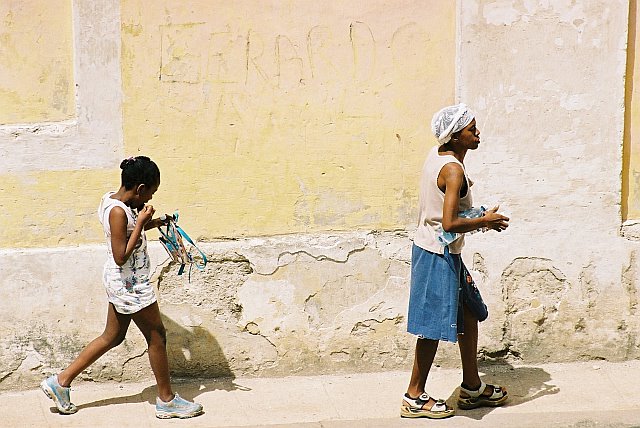
They are called illegals, migrants, aliens, refugees, immigrants, asylum seekers, invaders, displaced – each word carrying with it a subtext of who they are, what they want, and where they fit. They have been accused of bringing disease, ‘poisoning the blood’ of a nation, participating in a massive invasion that aims to bring about violent anarchy, and even eating people’s beloved pets. In this discourse each of ‘them’ rarely has a face, a name, and much less their own story (unless they do something terrible that pushes their name and face into the headlines).

The question ‘Why don’t they just come here legally?’ is asked over and over. Again, there is a subtext to that question – an implication that if ‘they’ were good people, they would seek out and follow the rules. The question also assumes that there are legal, and presumably safe, channels for those in genuine distress to request and receive asylum in a safe country, as allowed for under international law, primarily under the UN Refugee Convention. However, the reality is that even those countries that recognise and uphold the Refugee Convention, (and there are many which do not), maintain byzantine systems, set up to make it as difficult as possible for someone, especially an asylum seeker, to petition for and be granted the right to start a new life in a safe country.

The vast majority of those ‘safe’ countries require visas for individuals traveling there from much of the world. The quickest way to ensure that a visa is denied, is to respond truthfully – that the motive for travelling is to request asylum upon arrival – and when a visa is denied on those grounds, the individual is almost always put on a blacklist for future requests.

Continue reading “Why don’t they just come here legally?”

How the new Labour government can craft a robust foreign policy with FoRB at its core

In many situations around the world, issues involving religion or belief either create or worsen instability, destabilising international peace and security. Despite this, there is no overarching consensus on practical steps to enhance the promotion and protection of freedom of religion or belief (FoRB) within a broader foreign policy framework.

A robust UK foreign policy that integrates FoRB would necessitate a multifaceted approach, strategically weaving FoRB into various aspects of international engagement. Such a policy would not only cement the UK’s commitment to human rights but also enhance its global influence by promoting peace, stability, and mutual respect among nations. Here is a comprehensive outline of what this foreign policy could look like:

1. Diplomatic Engagement

Special Envoy for FoRB: Establish a ministerial-level Special Envoy for FoRB to advocate for FoRB globally. This envoy would engage with international organisations, foreign governments, and civil society to address FoRB violations and promote interfaith engagement. In particular, the envoy would continue the UK’s admirable contributions to the International Religious Freedom or Belief Alliance (IRFBA).

Continue reading “How the new Labour government can craft a robust foreign policy with FoRB at its core”