The US no longer considers Nigeria a ‘Country of Particular Concern’, but what has changed?

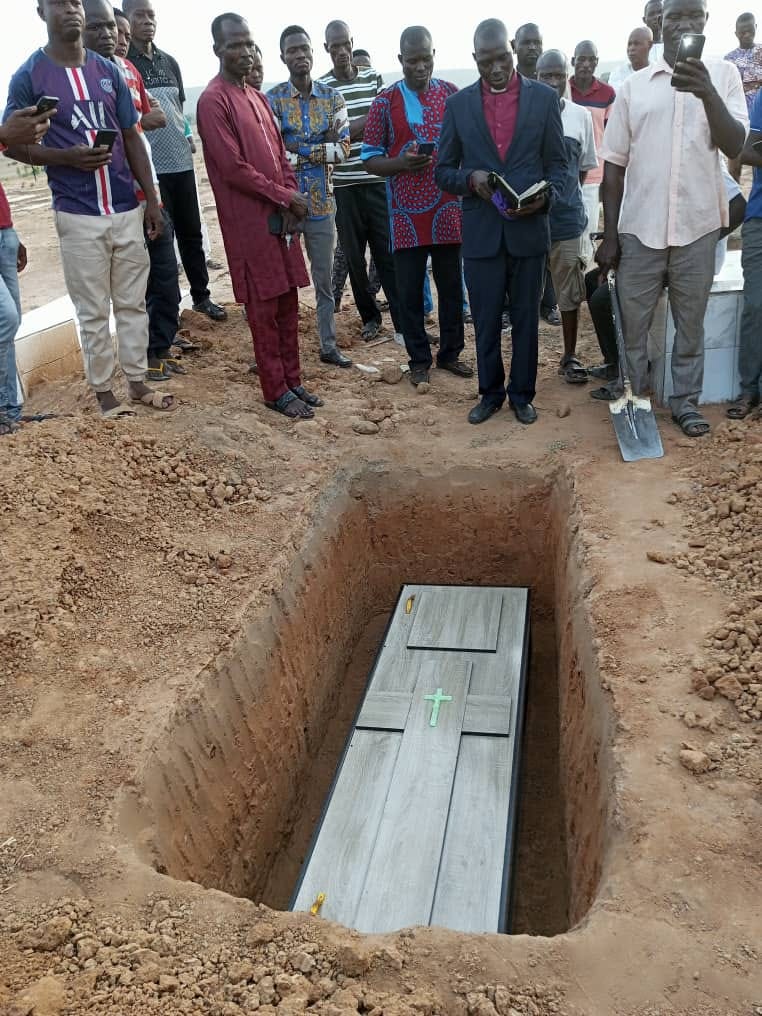
In December 2020, the United States’ (US) State Department designated Nigeria a Country of Particular Concern (CPC), finding that the government was responsible for engaging in or tolerating “systematic, ongoing, egregious violations of religious freedom.”

The rather belated decision marked the first time Nigeria had been placed on the State Department’s list, despite having been recommended for designation since 2009, and was also the first time a nominally secular democracy had been designated a CPC.

It reflected the severity of an ongoing crisis in the country,  which includes longstanding systemic and systematic violations of the rights of religious minorities in the north and central regions, and violence in which thousands of vulnerable citizens – many of them Christians – have been killed, while hundreds of thousands more have been forcibly displaced by armed non-state actors, including assailants of Fulani origin, and members of the Boko Haram, Islamic State West Africa Province (ISWAP) and Ansaru terrorist organisations.

Continue reading “The US no longer considers Nigeria a ‘Country of Particular Concern’, but what has changed?”

On freedom of religion or belief, the UK government needs to turn its rhetoric to reality

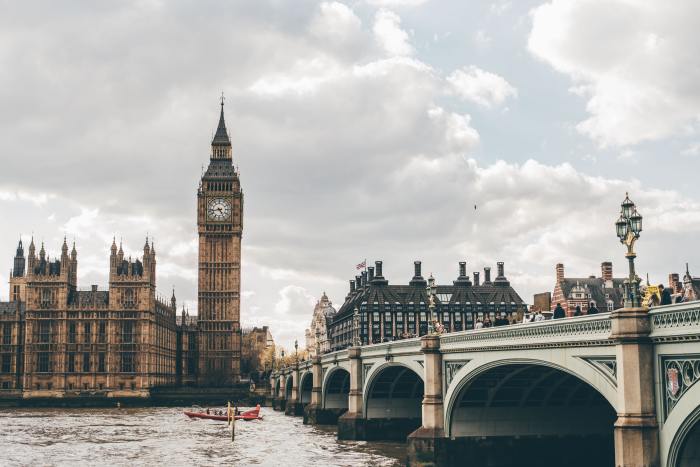
“The fact is that we simply can’t afford to be religiously illiterate in today’s world. To be religiously illiterate in today’s world is simply to fail to understand how and why others act as they do.” – These are the words of Bishop Philip Mounstephen, the Bishop of Truro, speaking at the deferred 175th anniversary celebration of The National Club earlier this month.

Bishop Mounstephen has been a friend of mine, and of CSW, for a number of years now, so it will come as little surprise that we fully support his assertion. As the bishop outlined so eloquently in his speech, freedom of religion or belief (FoRB), cannot be seen as a “side-bar” or “special interest” issue. In fact, it is a fundamental human right, the abuse of which so often leads to wider human rights violations as it intersects with issues such as poverty, race and gender.

Fortunately, the UK government appears to agree. Last year, upon the appointment of Fiona Bruce MP as the Prime Minister’s Special Envoy for FoRB, Boris Johnson said: “The UK is absolutely committed to protecting the inalienable right to freedom of religion and belief, at home and around the world.”

Continue reading “On freedom of religion or belief, the UK government needs to turn its rhetoric to reality”

Sudan’s military coup: lessons from Egypt and the wider region

In February 2021, CSW warned that slow progress in ushering a new era for Sudan risked derailing the inclusive national vision that had united so many of its citizens in protest, and which led to the fall of the al-Bashir regime and the creation of a transitional government. Our blog post pointed to the need to learn from neighbouring Egypt’s experiences.

On 25 October 2021, the transitional council was overthrown, and the military seized power in a coup. Once again there are lessons to be drawn from Egypt, and the wider region, in understanding the challenges to democracy in Sudan today.

Both Sudan and Egypt have a complicated history of the involvement of the military in politics. One of the key differences in the two nations’ relationship with the military, however, is one of ideology.

In the immediate post-Mubarak era, the military effectively paved the way for a Muslim Brotherhood electoral victory.  However, when the army intervened in political affairs for the second time, it set out to control the excesses of the Brotherhood’s Freedom and Justice Party, positioning itself as the guardian of the Revolution and assisting in the overthrow of the government following mass protests.  

Continue reading “Sudan’s military coup: lessons from Egypt and the wider region”

365 days and counting: The international community still needs to end the suffering of Tigray

On 4 November 2020 Ethiopian Prime Minister Abiy Ahmed ordered a military offensive against the Tigray Peoples’ Liberation Front (TPLF) forces in response to an attack on a federal army base which the Tigrayan authorities described as pre-emptive. Troops from Eritrea and Somalia joined the ENDF in launching a pincer movement against the Tigrayans, and communications to the region were cut and remain disrupted to this day. 

The attack marked the beginning of a conflict which is still ongoing, one in which over 52,000 people have died, and an estimated 1.7 million have been displaced internally. One year on and the crisis in Tigray is showing no signs of coming to an end, with Prime Minister Abiy pledging to “bury this enemy with our blood and bones and make the glory of Ethiopia high again” in a statement on 3 November – hardly the words expected from a Nobel Peace Prize winner.

Along with the Eritrean leader, PM Abiy and his government are responsible for a horrific campaign of violence against the people of Tigray which a joint investigation by the Ethiopian Human Rights Commission (EHRC) and the UN Human Rights Office (OHCHR) recently found may have involved war crimes and crimes against humanity, a finding they attribute to both sides of the conflict.

Continue reading “365 days and counting: The international community still needs to end the suffering of Tigray”

Long Read: One year since the Lekki Toll Gate massacre, Nigeria continues its slide into failed statehood

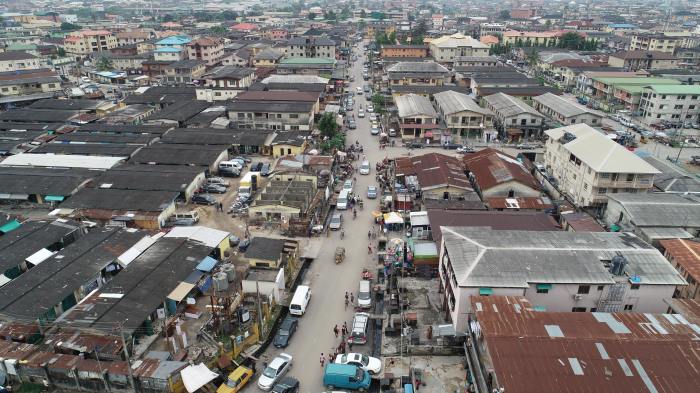
On 20 October 2020 Nigerian security forces at the Lekki Toll Gate in Lagos opened fire on unarmed and peaceful demonstrators who had gathered to protest the notorious police unit, the Special Armed Robbery Squad (SARS) and call for good governance. The soldiers opened fire just as the protestors finished singing the national anthem.  When they withdrew, the police arrived and also opened fire.

Estimates of those killed are variable, ranging from nine to over 70. The real number could be higher still, with video footage subsequently emerging which appeared to confirm allegations by survivors that the military had evacuated bodies from the scene in armoured vehicles, as had occurred in 2015 when soldiers attacked Islamic Movement of Nigeria (IMN) facilities in Zaria, Kaduna state, and more recently, during an armed raid on the home of a Yoruba activist in Ibadan.  

Prior to attacking, engineers had arrived at the toll gate earlier that afternoon and removed and disabled the CCTV. Just before the attack began, the lights in the area were switched off. 

The Nigerian army, which was ostensibly enforcing a curfew announced by the Lagos state government just hours before the attack, initially attempted to deny responsibility, and even claimed soldiers were not in the area, despite footage from mobile phones proving otherwise.  The Governor of Lagos also attempted to distance himself from responsibility for the incident, visiting some of the wounded in hospital. However, he later claimed in a television address that there had been no casualties, enraging survivors, families of victims, and all who had followed livestreaming of the massacre on social media. Regardless of the number of casualties, these deaths amount to cynically executed extrajudicial killings of young people merely for demanding good governance and rule of law.

Continue reading “Long Read: One year since the Lekki Toll Gate massacre, Nigeria continues its slide into failed statehood”