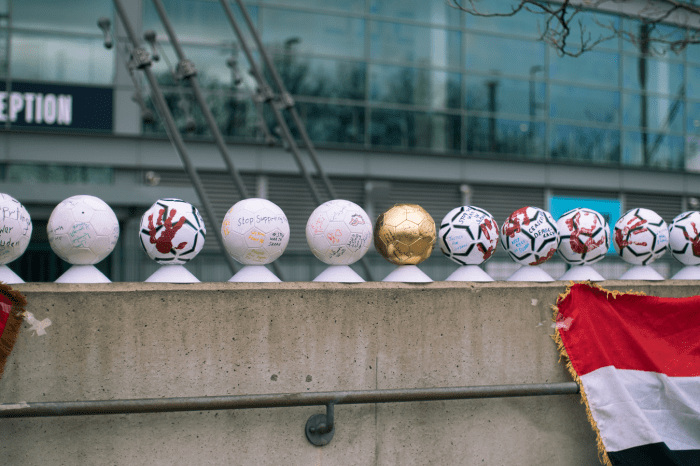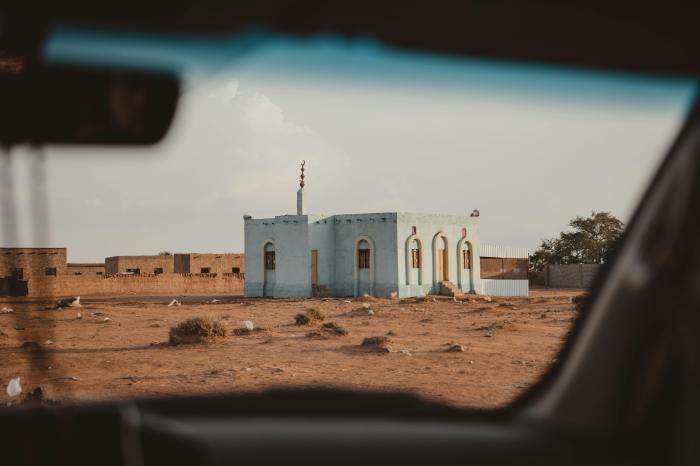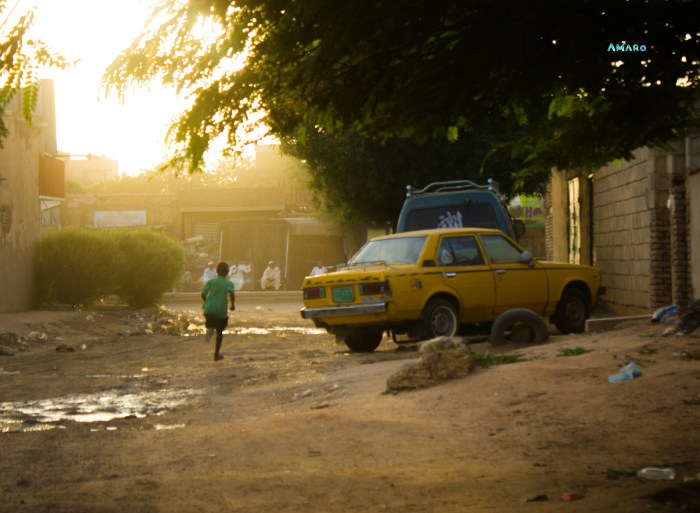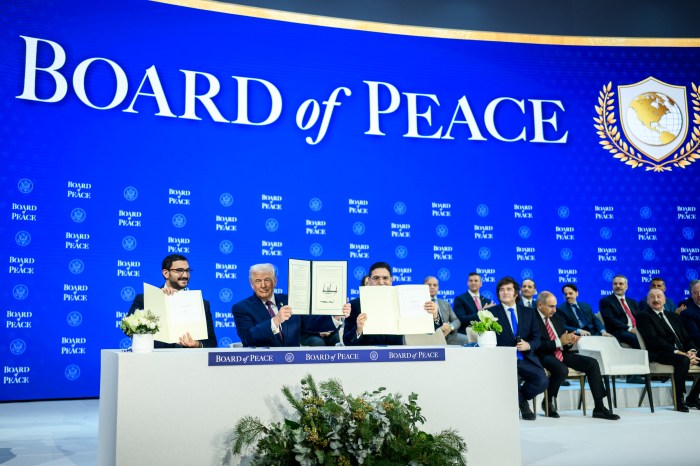
Control of Khartoum may have changed hands, but Sudan’s nightmare is far from over

In late March the Sudan Armed Forces (SAF) claimed a significant victory. After months of fighting, the army declared that it had seized full control of the Sudanese capital Khartoum from the Rapid Support Forces (RSF) militia.

Visiting the presidential palace for the first time since conflict broke out between the two forces almost two years ago, the leader of the SAF Abdel Fattah al-Burhan said, ‘Khartoum is free, it’s done.’

Some residents of the city may have even breathed a small sigh of relief. While both the RSF and SAF stand accused of the gravest of international crimes, it is generally accepted that conditions are marginally better in areas under SAF rule, perhaps because it is the party to the conflict that currently occupies Sudan’s seat in international arenas.

But the country’s nightmare is far from over.

Continue reading “Control of Khartoum may have changed hands, but Sudan’s nightmare is far from over”

The case for EU sanctions on Sudan’s military leaders

With over 14 million people displaced, the world’s largest humanitarian crisis is currently taking place in Sudan. Abdel Fattah al-Burhan (“Burhan”), leader of the Sudan Armed Forces (SAF, i.e. the national army); and Mohamed Hamdan Dagalo (“Hemedti”), leader of the Rapid Support Forces (RSF) militia, have vested interests in the continuation of conflict, and were this larger one to settle, there would likely be other domestic conflicts with armed groups in Darfur, South Kordofan and Blue Nile which have not taken a side in this war. Additionally, the current conflict has seen the formation of a coalition of militias that have joined with either the SAF or RSF.  

The international community must therefore seek concertedly to secure a lasting ceasefire, and to bring an end to this war in such a way that neither Burhan nor Hemedti is in a position to play a role in the country’s future governance. There have been moments in recent history when the international community has fallen for compromises that appeared to offer  stability in the short-term, for example the civilian-led transitional government that gave both Burhan and Hemedti prominent positions in a power sharing Sovereign Council following the ouster of President Omar al-Bashir in 2019, only for their October 2021 coup to remove civilian leaders and effectively install a military-controlled government, which has been in place since then. The only path toward a viable and stable future for Sudan is through an unencumbered civilian leadership. 

Continue reading “The case for EU sanctions on Sudan’s military leaders”

Caught between two paranoid and barbaric military forces, nowhere is safe for the people of Sudan 

‘We live under miserable conditions and lack all basic needs.’ 

A resident of Al Thora Mobe village, which has been under RSF control since December 2023 

It has been 20 months and counting since a conflict broke out between the Rapid Support Forces (RSF) and the Sudan Armed Forces (SAF) in April 2023, described by the UN High Commissioner for Human Rights as ‘marked by an insidious disregard for human life.’  

The grim toll of the violence so far is at least 14,600 dead and 26,000 injured, with civilians trapped between the warring sides and bearing the brunt of the casualties. One study estimates that the true death toll could be as high as 61,000. 

Continue reading “Caught between two paranoid and barbaric military forces, nowhere is safe for the people of Sudan “

Citizenship and conflict: How the militaries of Israel and Myanmar are taking advantage of displaced persons

There are currently around 30,000 asylum seekers in Israel. Most have fled severe repression, including religious persecution, under a government responsible for decades of widespread crimes against humanity in Eritrea, or come from Sudan, where a gruelling 18-month conflict between the Rapid Support Forces and Sudan Armed Forces is the latest in a series of calamities to cause a severe humanitarian crisis.

Most will have travelled through Egypt before arriving there, typically with the help of people smugglers, and at great risk of assault, extortion, gender-based violence, or arrest and possible refoulement. The majority of those who complete this journey are young men, together with some young women who have likely endured unimaginable atrocities en route.

Upon their arrival, these asylum seekers find themselves in legal limbo; according to the Hotline for Refugees and Migrants, Israel’s leading refugee advocacy organisation, Israel approves less than 1% of the asylum claims it receives, with many cases pending for over five or even ten years.

Continue reading “Citizenship and conflict: How the militaries of Israel and Myanmar are taking advantage of displaced persons”

Women from Africa and the diaspora call for action to protect women and girls in Sudan from conflict-related sexual violence

As women from Africa and the diaspora, we have signed this open letter to express our solidarity with women and girls in Sudan who are being targeted in a relentless campaign of conflict-related sexual violence (CRSV) and to appeal for the urgent initiation of international protection measures and accountability mechanisms.

The war in Sudan began in April 2023 and has been described as a conflict fought on the bodies of women and girls. A total absence of protection for women and girls heightens the risk of sexual and gender-based violence.

Distressing reports have emerged of rape, gang rape, and forced ‘marriages’, with many of these violations occurring in people’s homes.1

Continue reading “Women from Africa and the diaspora call for action to protect women and girls in Sudan from conflict-related sexual violence”