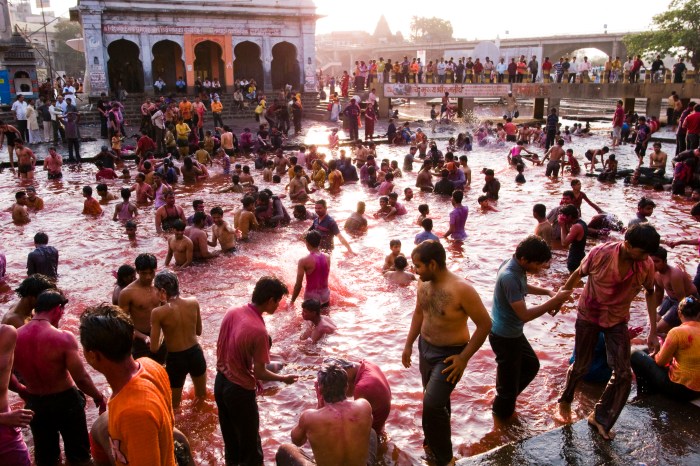
‘More that unites us’: Bridging the border between Indians, Pakistanis, Hindus and Muslims

This month marked 77 years since one of the world’s most violent religious conflicts: the partition of India and Pakistan, which claimed more than a million Hindu and Muslim lives and displaced over 15 million people. A people that once lived together were now forced to choose sides. Families were torn apart.  The bloodshed didn’t end there and neither did the hatred, as the countries fought several more wars in the years to come. 

On either side of the border, my generation grew up hearing the worst of each other. Most of the narratives we read in newspapers or watched in the cinema portrayed the other in bad light. The enmity and hatred was and continues to be so deep rooted that it affects religious groups in both nations. 

I cannot count the number of times I have heard an Indian Muslim being called a Pakistani in a derogatory tone. Ever since the Bharatiya Janata Party (BJP) first came to power in 2014, these slurs have only become more frequent and toxic.

Continue reading “‘More that unites us’: Bridging the border between Indians, Pakistanis, Hindus and Muslims”
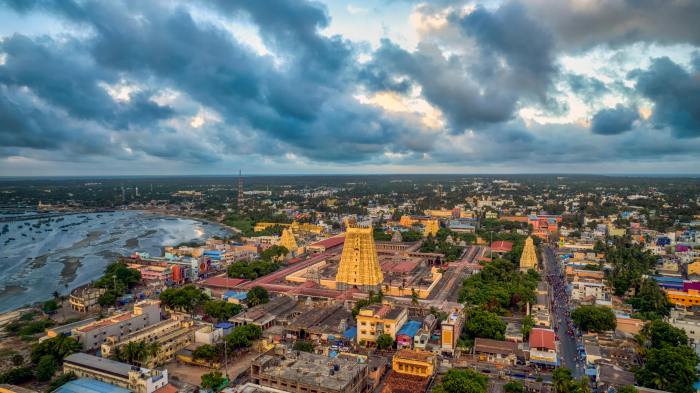
Reflections on my beloved India in an election year

India is currently holding general elections in seven phases which are due to run from 19 April to 1 June 2024. CSW’s India Researcher, whose name has been withheld for security reasons, lives in Tamil Nadu state in the south of the country. Here she offers some reflections on what is at stake for the future of the nation.

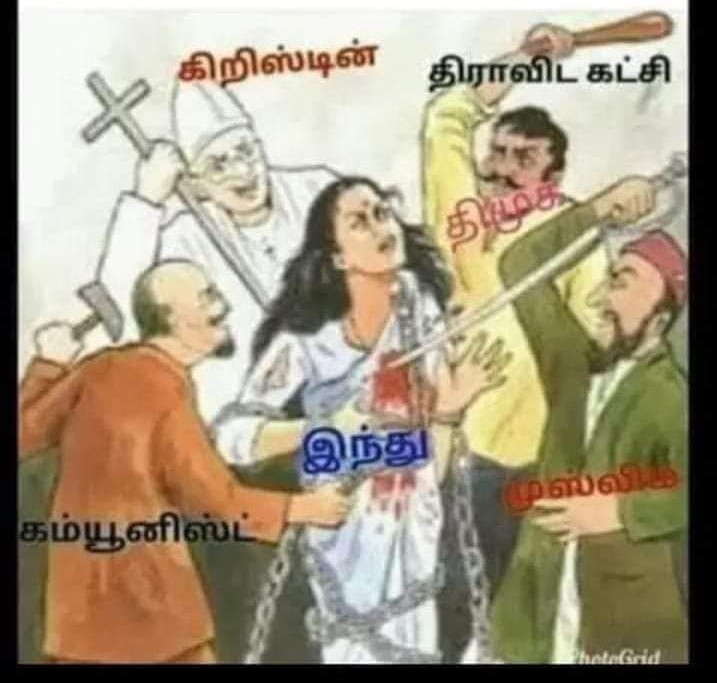
A day before my state Tamil Nadu went to elections, I was browsing social media when I noticed an image posted by an old friend of mine who studied with me in a Christian school. The image was of a women dressed in a white sari who represented an Indian Hindu. Around her were four other men – a Christian, a communist, a Muslim and a member of the Dravidian political party – all with weapons in their hand trying to stab a visibly scared Hindu woman. The caption said ‘vote wisely’ – an apparent warning message to all the Hindus in his friend list that they are in danger and they need to vote for the party that claims to protect them.

I was quite surprised. Yes, I know thousands of radical Hindus in India genuinely believe that their religion is under threat. But to see someone who I knew, who had his whole education in a Christian school and still remained a Hindu, actually succumb to the false narrative that Hinduism is under threat – that was surprising. In the last few years, I have sadly come across many other Hindu friends and acquaintances who have come to believe that.

Continue reading “Reflections on my beloved India in an election year”

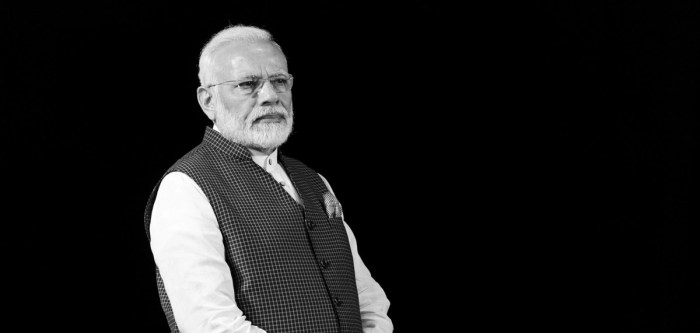
‘Emperor of Hindu hearts’: Narendra Modi rebranded

Millions of Hindus in India and across the world watched with pride as India’s Prime Minister Narendra Modi inaugurated the grand Ram Mandir (Ram temple) in Ayodhya, Uttar Pradesh on 22 January.

It was a historic moment that many devotees had been waiting to witness for decades. This is the site that is believed to be the birthplace of one of the most revered Hindu deities, Ram, and the inauguration of the temple or the Pran Pratishta ceremony (the act of consecrating the idol in the temple and bringing it to life) held deep religious significance.

More than 7,000 people were invited as guests, including top Bollywood celebrities, cricketers, large business owners and about 4,000 Hindu priests. There were seas of saffron not just in Ayodhya but across the country where people gathered in smaller local temples to celebrate the occasion.

Continue reading “‘Emperor of Hindu hearts’: Narendra Modi rebranded”
Members of the Dalit community celebrating of the festival of Holi in India.

Un Código Civil General: ¿Qué es y podría funcionar en la India hoy en día?

Un Código Civil Uniforme (UCC) significa que todos los ciudadanos se regirían por una ley común, independientemente de su origen religioso. Esto incluye las leyes personales que se aplican al matrimonio, el divorcio, las herencias, la sucesión de bienes, la manutención y la adopción. En la India, el debate sobre un UCC para todos los ciudadanos de la India ha sido un tema polémico desde la época colonial, y ha seguido siéndolo a pesar de la independencia y la creación del Estado indio moderno.

Cada pocos años, el tema se pone en primer plano y es debatido acaloradamente por defensores y opositores antes de retirarse a hervir a fuego lento en el fondo del discurso público.      

En junio de 2023, el debate público se reavivó cuando la 22ª Comisión Jurídica de la India solicitó la opinión pública y comentarios de organizaciones religiosas seleccionadas sobre el tema de la UCC. Luego, el 27 de junio, el primer ministro Narendra Modi hizo un fuerte discurso público a favor de la UCC para todos los ciudadanos, lo que generó fuertes reacciones de varios partidos de la oposición y grupos religiosos.

Continue reading “Un Código Civil General: ¿Qué es y podría funcionar en la India hoy en día?”
Members of the Dalit community celebrating of the festival of Holi in India.

A Uniform Civil Code: What is it and could it work in India today?

A Uniform Civil Code (UCC) means that all citizens shall be governed by a common law, irrespective of their religious background. This includes personal laws that apply to marriage, divorce, inheritance, succession of property, maintenance and adoption. In India, the debate over a UCC for all citizens of India has been a contentious issue since the colonial era, and has remained so despite independence and the creation of the modern Indian state.

Every few years, the subject is brought to the fore and debated hotly by proponents and opponents before retreating to simmer in the background of public discourse.      

In June 2023, public debate was reignited when the 22nd Law Commission of India solicited public opinion and comments from selected religious organisations on the subject of the UCC. Then, on 27 June Prime Minister Narendra Modi made a strong public pitch for the UCC for all citizens, garnering strong reactions from several opposition parties and religious groups.

Continue reading “A Uniform Civil Code: What is it and could it work in India today?”