Nigeria Does Not Have a Kidnapping Problem. It Has a Protection Accountability Problem.

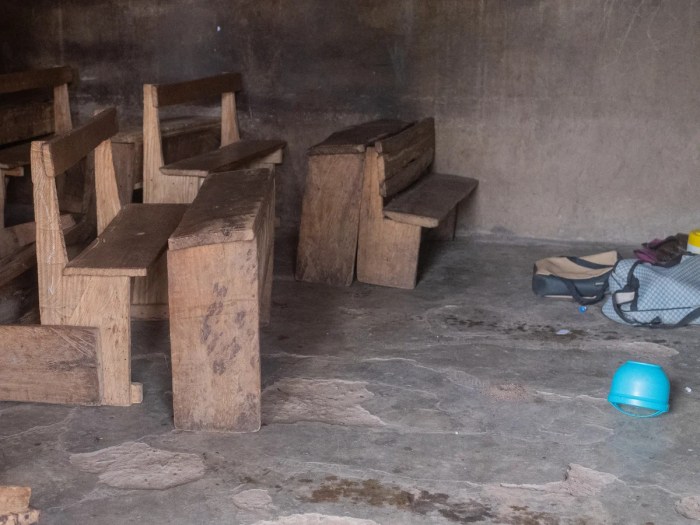
On 15 May 2026 armed men attacked three schools in Oriire Local Government Area, Oyo State. Forty-six pupils and teachers were taken. On the same day — the same day — forty-two children were abducted from Mussa Primary and Junior Secondary School in Askira-Uba, Borno State. A mathematics teacher, Michael Oyedokun, was killed. His students watched. Three weeks have passed. Most of those children are still missing.

Nigeria does not have a kidnapping problem. Nigeria has a protection accountability problem. The kidnapping is the outcome. The accountability failure is the system.

The Record on Paper

Nigeria endorsed the Safe Schools Declaration in 2015. It launched a National Policy on Safety, Security and Violence-Free Schools in 2021. In December 2022 the government committed ₦144.8 billion to a Safe Schools financing plan running through 2026. A National Safe Schools Response Coordination Centre was established. Security personnel were trained across all 36 states.

Continue reading “Nigeria Does Not Have a Kidnapping Problem. It Has a Protection Accountability Problem.”

A criminal shouldn’t benefit from his/her criminal activities

This article was originally published on the CSW-Nigeria website.

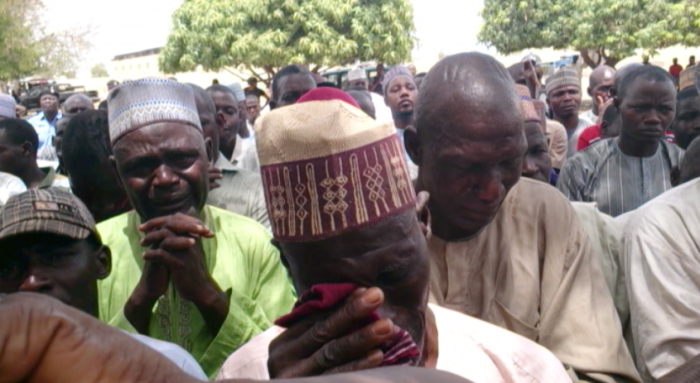
Christian Solidarity Worldwide Nigeria (CSWN) came across an article written by the British Broadcasting Corporation (BBC) titled: Nigeria’s Chibok Girls: Parent of Kidnapped Children Heartbroken – Again, dated 1st April, 2024. There was also an Arise News programme on April 3rd, 2024, on the morning show, titled: Freed Chibok Girls Wed Captors in Borno. The Arise news program dwells on the BBC article but expands it with more insight.

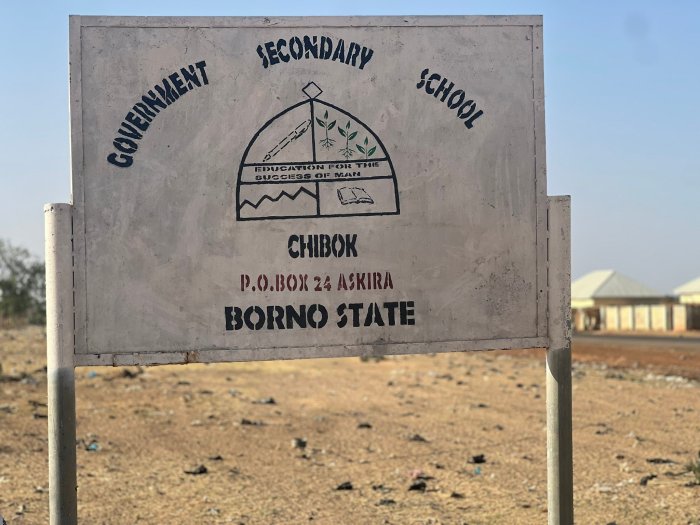
What the two media outlets were saying is that some of the freed/rescued Chibok secondary school girls, abducted on April 14, 2014, by Boko Haram, have chosen to remain with their de-radicalized, former insurgent husbands at an accommodation provided by the Borno State government under its de-radicalisation program.

The BBC article added that seven of such girls are staying in the government-provided accommodation with their de-radicalised insurgent husbands, while other girls are engaged to former fighters they met at the de-radicalisation camp.

Continue reading “A criminal shouldn’t benefit from his/her criminal activities”

Ten years since the abduction of the Chibok Girls, the Nigerian government must finally protect vulnerable communities

Last month, 137 families in Kuriga in Nigeria’s Kaduna State breathed a collective sigh of relief as their sons and daughters returned home after over two weeks in terrorist captivity.

The children were abducted from their school on 7 March when armed assailants descended on the premises just as classes were about to commence. The school reported that 287 students were taken; however Kaduna State Governor Uba Sani has since attempted to dismiss the figure as being a ‘figment of someone’s imagination’, despite initially citing the same number himself.

Several questions emerge from this: what is being done to confirm that all of the students have indeed been freed? What about the thousands of other individuals who have been abducted by terrorist groups in recent years? And finally, how can this still be happening a decade after mass kidnappings in Nigeria first landed on the international agenda?

Continue reading “Ten years since the abduction of the Chibok Girls, the Nigerian government must finally protect vulnerable communities”