All posts

From faith to exile in Guerrero, Mexico 

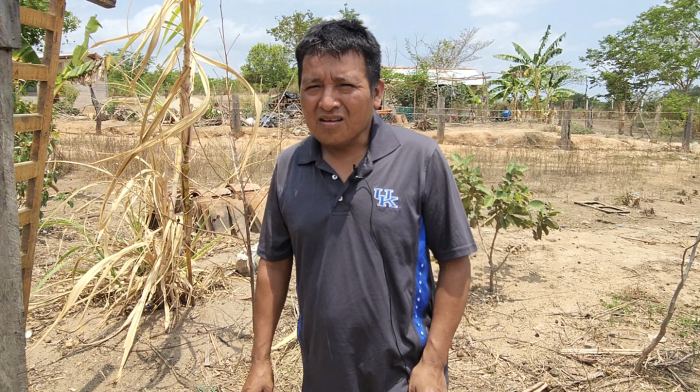
Damián and his family live on the outskirts of the centre of Ayutla de los Libres1 in south-western Mexico. In May 2022, they and two other families bought the land after they were expelled from their village because they belong to a religious minority.  

On 25 March 2021, Damián, age 38 at the time, was called before the Ahucachahue community assembly in Ayutla de los Libres Municipality, located in the Costa Chica region of Guerrero. The people of Ahucachahue are Mixteco, and the majority practice Roman Catholicism. At the meeting, community leaders informed him that he had been appointed to lead the festivals in honor of San Isidro Labrador,2 their patron saint. Damián would be responsible for contracting musical groups and suppliers of alcohol and food, in addition to the administrative tasks that accompany the rituals specific to the Roman Catholic saint.  

However, Damián had converted to Protestant-Evangelical Christianity four years earlier, in 2017, as had many others. He refused the position.  
Continue reading “From faith to exile in Guerrero, Mexico “

De la fe al exilio en Guerrero, México

Damián y su familia viven en las afueras del centro de Ayutla de los Libres en el Sureste de México. En mayo de 2022, ellos y otras dos familias tuvieron que adquirir un terreno en esta zona después de haber sido expulsados de su comunidad por pertenecer a una minoría religiosa.

El 25 de marzo de 2021, Damián, entonces de 38 años, fue citado ante la asamblea comunitaria de Ahucachahue en el municipio de Ayutla de los Libres, ubicado en la región de la Costa Chica de Guerrero. La gente de Ahucachahue pertenece a la comunidad mixteca y la mayoría practica el catolicismo romano. En la reunión, los líderes comunitarios le informaron que había sido designado para encabezar las fiestas en honor a San Isidro Labrador, su santo patrón. Damián sería responsable de la contratación de grupos musicales y proveedores de alcohol y alimentos, además de las tareas administrativas que acompañan los rituales propios del santo católico romano.

Sin embargo, Damián se había convertido al cristianismo protestante-evangélico cuatro años antes, en 2017, como muchos otros, por lo que Rechazó el puesto.

Continue reading “De la fe al exilio en Guerrero, México”

“El Emperador de los corazones hindúes”: Narendra Modi es bautizado nuevamente

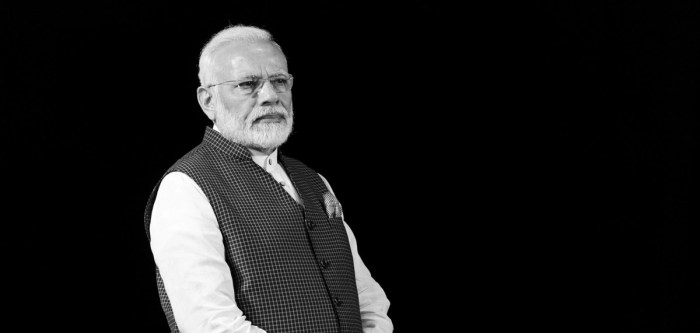
Millones de hindúes en la India y en todo el mundo observaron con orgullo cómo el primer ministro de la India, Narendra Modi, inauguró el gran Ram Mandir (templo de Ram) en Ayodhya, Uttar Pradesh, el 22 de enero.

Fue un momento histórico que muchos devotos habían estado esperando presenciar durante décadas. Este es el sitio que se cree que es el lugar de nacimiento de una de las deidades hindúes más veneradas, Ram, y la inauguración del templo o la ceremonia de Pran Pratishta (el acto de consagrar el ídolo en el templo y darle vida) tenía un profundo significado religioso.

Más de 7.000 personas fueron invitadas, entre ellas celebridades de Bollywood, jugadores de críquet, propietarios de grandes empresas y unos 4.000 sacerdotes hindúes. Había mares de azafrán no solo en Ayodhya, sino en todo el país, donde la gente se reunía en templos locales más pequeños para celebrar la ocasión.

Continue reading ““El Emperador de los corazones hindúes”: Narendra Modi es bautizado nuevamente”

Indonesia’s presidential elections: How have human rights fared under Jokowi?

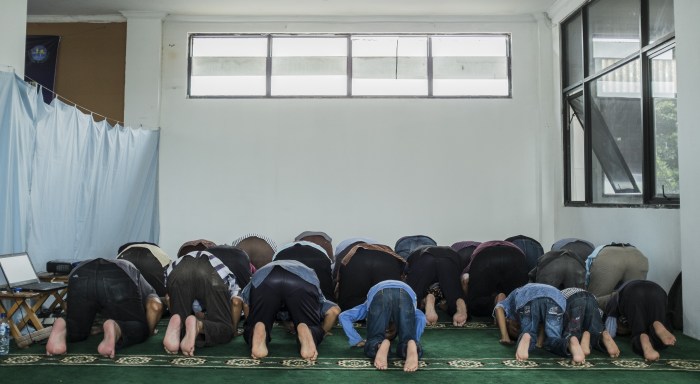
Indonesia’s presidential election is imminent; on 14 February President Joko Widodo, popularly known as Jokowi, will step down after two terms in office and the world’s third-largest democracy and largest Muslim-majority nation will head to the polls to elect their next leader. National and local parliamentary representatives and senators will also be voted on.

The election carries with it significant implications for human rights including freedom of religion or belief (FoRB). How have religious minorities fared under Widodo’s presidency and what must be addressed by the incoming president to improve the FoRB for all in the country?

The instrumentalization of religion in politics

Jokowi is a popular figure in Indonesia, with 97% of non-Muslims voting for him in the 2019 elections, but his election promises of addressing past human rights abuses, inequalities and bolstering rights protections remained largely unrealised. Under Jokowi’s presidency, discriminatory practices and violent assaults on ethnic and religious minorities have persisted.

Continue reading “Indonesia’s presidential elections: How have human rights fared under Jokowi?”

A life of struggle and survival: the reality of religious oppression in Cuba

Father Alberto Reyes Pías is a Roman Catholic priest in the Archdiocese of Camagüey, Cuba. He is one of the most articulate voices on freedom of religion or belief in Cuba and continues to courageously speak out about the Cuban government’s systematic violations of this right. This is a transcript of a presentation he gave as part of a panel discussion moderated by CSW, at the 2024 International Religious Freedom Summit in Washington, DC.

In Cuba, one of the most subtle mechanisms of evil is what we call “normalisation” which is nothing more than evil becoming a habitual part of our life. We not only take its presence for granted, but also focus our energies not on eliminating it and freeing ourselves from it, but on figuring out how to continue walking, despite it hindering our steps, tying our hands, and oppressing our throat.

In appearance, religious freedom is respected in Cuba. In general, churches are open, worship is allowed, catechesis exists, young people gather, one can openly talk about God, possess a Bible, and wear religious symbols. Yet, in Cuba, there is a thirst for God. Pastoral agents focus on serving those seeking an experience with God that touches their lives, even at the cost of accepting as “normal” what is not.

Continue reading “A life of struggle and survival: the reality of religious oppression in Cuba”