‘More that unites us’: Bridging the border between Indians, Pakistanis, Hindus and Muslims

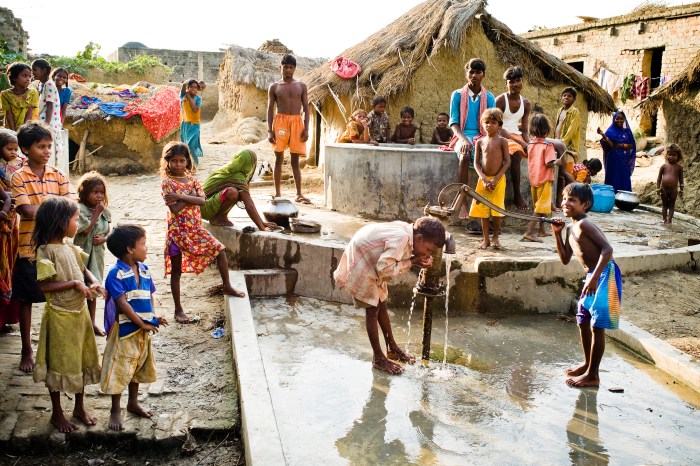
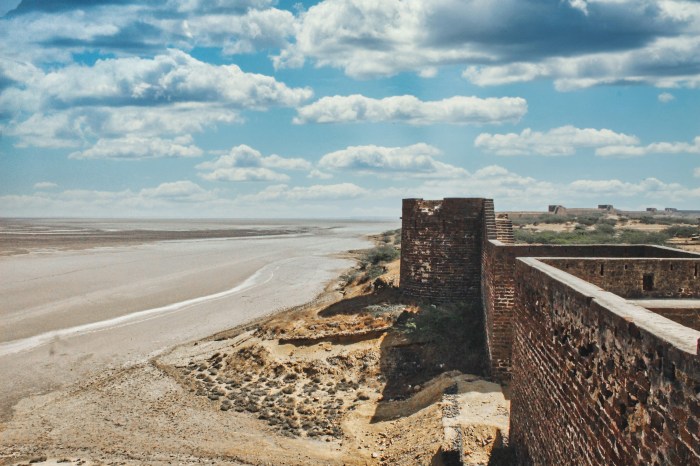
This month marked 77 years since one of the world’s most violent religious conflicts: the partition of India and Pakistan, which claimed more than a million Hindu and Muslim lives and displaced over 15 million people. A people that once lived together were now forced to choose sides. Families were torn apart.  The bloodshed didn’t end there and neither did the hatred, as the countries fought several more wars in the years to come. 

On either side of the border, my generation grew up hearing the worst of each other. Most of the narratives we read in newspapers or watched in the cinema portrayed the other in bad light. The enmity and hatred was and continues to be so deep rooted that it affects religious groups in both nations. 

I cannot count the number of times I have heard an Indian Muslim being called a Pakistani in a derogatory tone. Ever since the Bharatiya Janata Party (BJP) first came to power in 2014, these slurs have only become more frequent and toxic.

Continue reading “‘More that unites us’: Bridging the border between Indians, Pakistanis, Hindus and Muslims”

India’s Muslims voted for justice and equality, but this remains a distant future

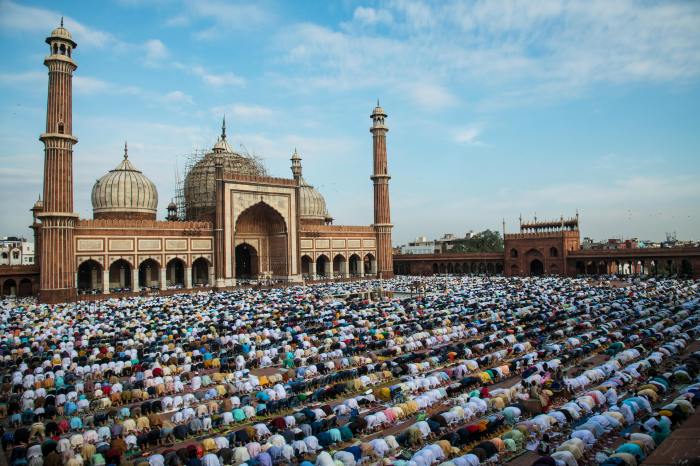
India is home to more than two hundred million Muslims, one of the largest Muslim populations in the world. However, in a crowd of close to 1.5 billion people, even this large community is reduced to a minority, accounting for just 14% of the population. In recent years, the community has been constantly reminded of this fact, having to fight to prove that they are equals and that they deserve the same rights as the Hindu majority.

Although the majority of India’s Muslims are native to the country, with a very small number of them having emigrated there from the Arab world, most Muslims today would agree that they are not made to feel equal to other Indian citizens.

Their plight has deteriorated significantly since India’s ruling Bharatiya Janata Party (BJP) came to power in 2014 under the leadership of Prime Minister Narendra Modi, with Muslims treated largely as second-class citizens by a government that has embraced a dangerous Hindu nationalist rhetoric.

Continue reading “India’s Muslims voted for justice and equality, but this remains a distant future”

Reflections on my beloved India in an election year

India is currently holding general elections in seven phases which are due to run from 19 April to 1 June 2024. CSW’s India Researcher, whose name has been withheld for security reasons, lives in Tamil Nadu state in the south of the country. Here she offers some reflections on what is at stake for the future of the nation.

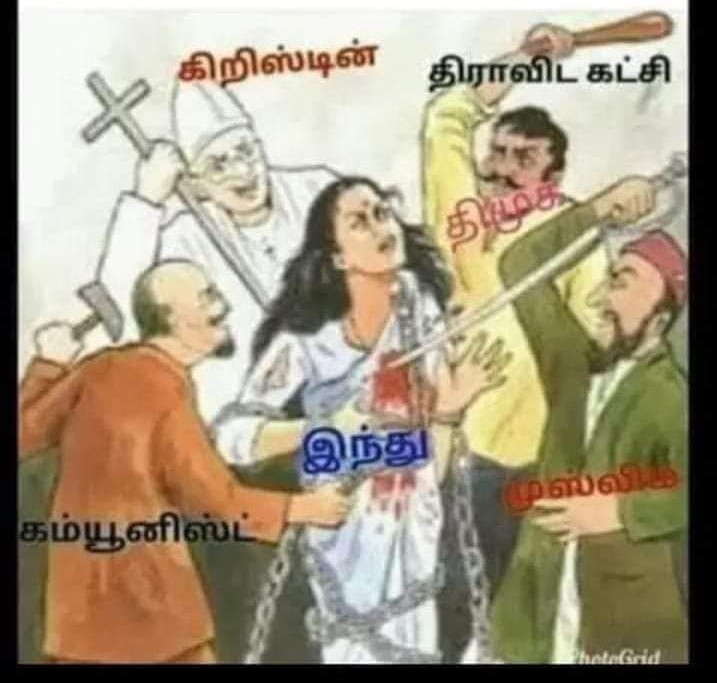
A day before my state Tamil Nadu went to elections, I was browsing social media when I noticed an image posted by an old friend of mine who studied with me in a Christian school. The image was of a women dressed in a white sari who represented an Indian Hindu. Around her were four other men – a Christian, a communist, a Muslim and a member of the Dravidian political party – all with weapons in their hand trying to stab a visibly scared Hindu woman. The caption said ‘vote wisely’ – an apparent warning message to all the Hindus in his friend list that they are in danger and they need to vote for the party that claims to protect them.

I was quite surprised. Yes, I know thousands of radical Hindus in India genuinely believe that their religion is under threat. But to see someone who I knew, who had his whole education in a Christian school and still remained a Hindu, actually succumb to the false narrative that Hinduism is under threat – that was surprising. In the last few years, I have sadly come across many other Hindu friends and acquaintances who have come to believe that.

Continue reading “Reflections on my beloved India in an election year”

‘Emperor of Hindu hearts’: Narendra Modi rebranded

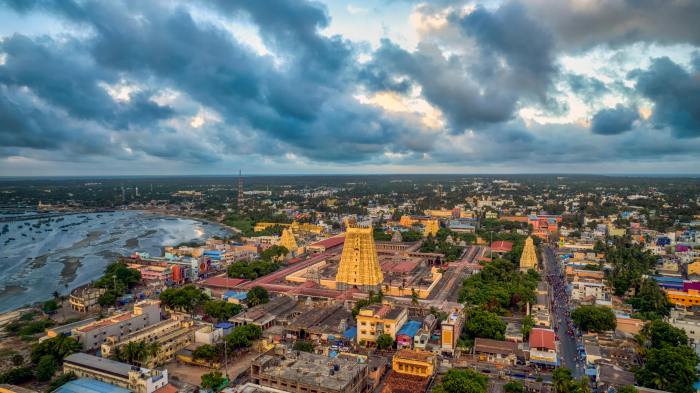
Millions of Hindus in India and across the world watched with pride as India’s Prime Minister Narendra Modi inaugurated the grand Ram Mandir (Ram temple) in Ayodhya, Uttar Pradesh on 22 January.

It was a historic moment that many devotees had been waiting to witness for decades. This is the site that is believed to be the birthplace of one of the most revered Hindu deities, Ram, and the inauguration of the temple or the Pran Pratishta ceremony (the act of consecrating the idol in the temple and bringing it to life) held deep religious significance.

More than 7,000 people were invited as guests, including top Bollywood celebrities, cricketers, large business owners and about 4,000 Hindu priests. There were seas of saffron not just in Ayodhya but across the country where people gathered in smaller local temples to celebrate the occasion.

Continue reading “‘Emperor of Hindu hearts’: Narendra Modi rebranded”
Daffodils in front of the UK Houses of Parliament

Combatting impunity is essential for the realisation of the right to freedom of religion or belief 

Violations of freedom of religion or belief (FoRB) take many forms: harassment, discrimination, threats, imprisonment or even death on account of one’s religion or belief. The impunity that generally surrounds these violations undercuts the rule of law, denies justice to victims, and perpetuates an environment conducive to further violations. The issue is multifaceted and nuanced, with socio-political, legal, and psychological dimensions.

Socio-political implications

When state or non-state actors perpetrate FoRB violations without facing repercussions, it critically erodes public trust in the institutions responsible for upholding the rule of law. This erosion of trust threatens social cohesion and contributes to societal fragmentation.

Continue reading “Combatting impunity is essential for the realisation of the right to freedom of religion or belief “