Scratching the wounds of the past: India’s disputes over mosques and temples are only increasing religious tensions

For decades, the city of Varanasi in Utter Pradesh was known for its syncretic culture, with Hindus and Muslims worshipping side by side in their respective places of worship. All that changed in May this year.

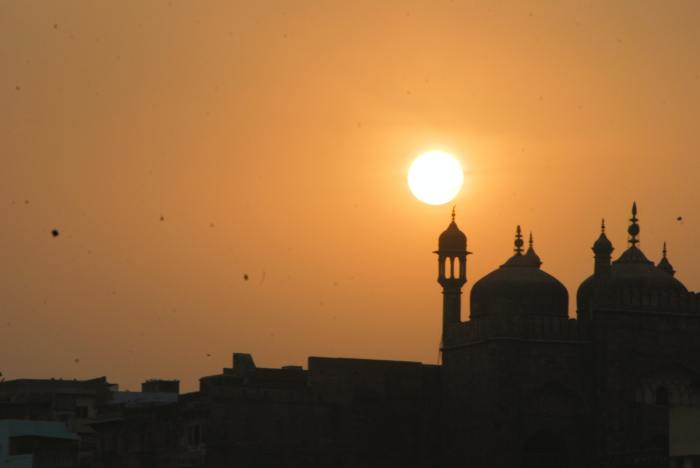
On 12 May, a district court in Varanasi ordered a videographic survey of the city’s Gyanvapi mosque which is located just metres away from the Kashi Vishwanath Hindu temple. The order followed a petition filed by a group of five Hindu women last year who sought permission to worship within the outer walls of the mosque.

In spite of the objections raised by the committee that manages the mosque, and in rejection of a stay order issued by the Allahabad High Court, the survey was completed on 16 May. The lawyer representing the Hindu petitioners subsequently claimed that a shivling (phallic symbol of the Hindu deity Shiva) was found in the compound of the mosque, which the Hindus argue should grant them a right to worship in the premises whilst barring Muslims from entering the area.

Continue reading “Scratching the wounds of the past: India’s disputes over mosques and temples are only increasing religious tensions”
The failure of the Karnataka authorities to stand against religious intolerance has yielded sad yet expected results

Incidents of communal violence have risen sharply in Karnataka state in recent months, and anti-Muslim sentiments are on the rise.

First there was the hijab controversy that began on 28 December 2021 when the authorities of an educational institution in Udipi, Karnataka banned six Muslim girls from entering with their hijabs (headscarves) on. Several other colleges followed suit with bans that were upheld by the Karnataka High Court on 15 March 2022.

State-sanctioned intolerance    

Ministers in the ruling Bharatiya Janata Party (BJP), meanwhile have not shied away from expressing their radical agenda. In February 2022 the senior BJP leader in Karnataka, K S Eshwarappa, said that a day would come when the ‘saffron’ flag (a symbol of Hindu nationalism) would become the national flag.

Continue reading “The failure of the Karnataka authorities to stand against religious intolerance has yielded sad yet expected results”

‘Kashmir Files’ – A film used to fuel religious intolerance in India

The Indian film Kashmir Files has been mired in controversy since its release on 11 March. The 270-minute-long film, directed by Vivek Agnihotri, an open supporter of India’s ruling Bharatiya Janata Party (BJP), focuses on the brutal killings of estimates of between 30 and 80 Kashmiri Pandits or Kashmiri Hindus from 1988-1990 and their exodus from Indian Administered Kashmir.

The film revolves around a young student who finally discovers that his parents were killed by Muslim militants and not by accident, as his grandfather had told him. The student is caught between two conflicting narratives, that of his grandfather who is seeking justice for the exodus, and that of his mentor – a Jawaharlal Nehru University (JNU) professor who tells him no such appeasement is necessary.

The historical events on which the film is based occurred in the 1990s, amidst a rising insurgency in Kashmir, when the Jammu Kashmir Liberation Front (JKLF), a militant separatist organisation comprising Muslims, targeted the state’s minority Hindus – Kashmiri Pandits – forcing an estimated 75% of the Hindu population to leave the state and seek refuge in other parts of India. Governments in power since then, including the BJP, have done little for their resettlement.

Continue reading “‘Kashmir Files’ – A film used to fuel religious intolerance in India”

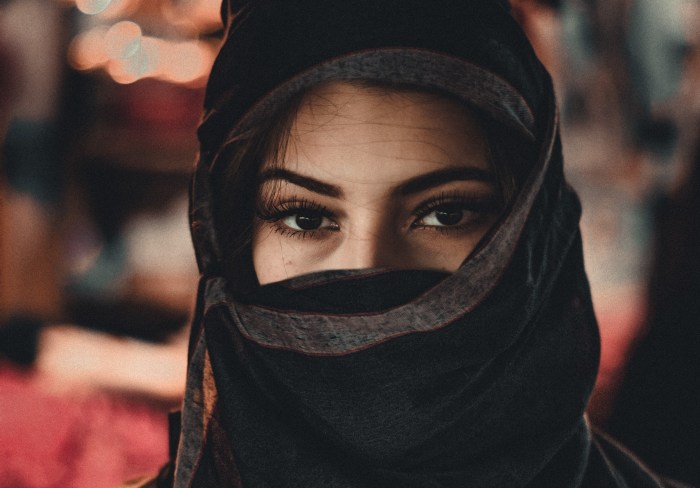
India’s hijab controversy is forcing Muslim girls to choose between their education and their faith

Over the past month, the Indian state of Karnataka has been in the news as protests related to a ban on Muslim students wearing the hijab (headscarf) in the classroom escalated and spread across the state. 

The tensions led to violent clashes between those supporting the ban and those against it, drastically affecting the education of students who have already been hit by the pandemic. 

Background

The controversy began on 28 December 2021 when authorities of an educational institution in Udipi, Karnataka banned six Muslim girls from entering with their hijabs (headscarves) on. One of the students filed a petition in the Karnataka High court demanding the right to wear the hijab under Article 14 of the Indian constitution, which recognises equality and equal protection under the law, and Article 25, which stipulates that all citizens have the right to freely profess, practise and propagate religion. 

Continue reading “India’s hijab controversy is forcing Muslim girls to choose between their education and their faith”

Attacked, harassed and ostracised: Christians in India continue to suffer as the country slides further still into ethno-religious nationalism

Last week, the Religious Liberty Commission of the Evangelical Fellowship of India (EFI) released its annual report on Hate and Targeted Violence against Christians in India in 2021. It documented 505 individual incidents of violence across the country in 2021, including three murders, as well as other forms of harassment against Christians including disruption to worship services, social boycott and ostracisation, and forced conversion to Hinduism.

The report states: “No denomination – whether organized or a lonely independent worshipping family or neighborhood group – none has been spared targeted violence and intense, chilling hate, the worst seen since the general election campaign of 2014. The year 2021 saw calls for genocide and threats of mass violence made from public platforms, and important political and religious figures on the stage.”

Reverend Vijayesh Lal, General Secretary of the EFI, spoke to CSW about various issues facing Christians in the country today:

Continue reading “Attacked, harassed and ostracised: Christians in India continue to suffer as the country slides further still into ethno-religious nationalism”