On 9 July 2015 the Chinese authorities launched an extensive crackdown on activists, lawyers, human rights defenders and their friends and family members. Dubbed the ‘709 Crackdown’ after the date on which it began, the campaign saw over 300 people detained, interrogated or imprisoned.
It is regarded as one of the worst crackdowns on human rights defenders in China’s history, and marked the start of a relentless stifling of dissent and activism that continues to date.
On the tenth anniversary of the crackdown, CSW presents an account from Christian lawyer Xiangui Fang who was caught up in it, and who has since had to flee China after the authorities threatened him with further imprisonment for continuing to defend human rights cases after his release:
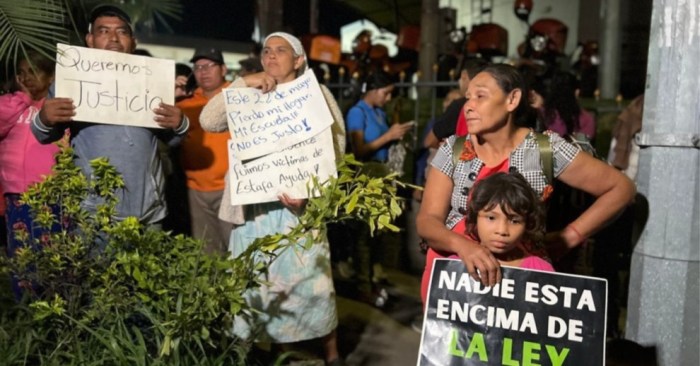
On 12 May a community in rural El Salvador gathered for a peaceful protest demanding their land rights. Within hours, the government responded with riot gear and arrests, striking fear among the families present. This is how authoritarian tendencies manifest themselves, no matter the political branding.
In today’s polarised world, it is easy to label enemies by ideology. When we think of authoritarianism, our minds may leap to the right or the left. But beyond the party name or rhetoric lies something more universal: the impulse to silence those who question injustice.
In recent weeks, two cases from opposite ends of the ideological spectrum have brought this to light. In one, a pastor in a country with a right-leaning government was arrested while seeking to protect his community from an unjust eviction. In the other, two pastors living under a left-leaning government were detained for speaking of God’s justice in defence of their son at a military tribunal. Though the contexts differ, the charges were similar: ‘public disorder’ and ‘resisting arrest’ in the former, and “‘disrespect’ and ‘disobedience’ in the latter. Neither government would tolerate independent voices raising moral concerns.
El 12 de mayo, una comunidad rural de El Salvador se reunió en una protesta pacífica para reclamar sus derechos sobre la tierra. En cuestión de horas, el gobierno respondió con acciones antidisturbios y detenciones, sembrando el miedo entre las familias presentes. Así es como reaccionan los regímenes autoritarios, independientemente de su postura política.
En un mundo tan polarizado como el actual, es fácil etiquetar a los enemigos por su ideología. Cuando pensamos en autoritarismo, nuestra mente puede saltar a la derecha o a la izquierda. Pero más allá del nombre del partido o de la retórica, hay una reacción universal: el impulso de silenciar a quienes cuestionan la injusticia.
En las últimas semanas, dos casos de extremos opuestos del espectro ideológico lo han hecho evidente. En uno, un pastor de un país con un gobierno de la derecha fue detenido cuando intentaba proteger a su comunidad de un desalojo injusto. En el otro, dos pastores que viven bajo un gobierno izquierdista fueron detenidos por hablar de la justicia de Dios en defensa de su hijo ante un tribunal militar. Aunque los contextos fueron difieren, los cargos eran similares: «desorden público» y «resistencia a la autoridad». También se incluyó el cargo de «falta de respeto» en el primer caso, y «desobediencia» en el segundo. Ninguno de los dos gobiernos toleró que voces independientes plantearan inquietudes morales.
El pastor José Ángel Pérez y la criminalización de la conciencia
En El Salvador, el pastor José Ángel Pérez se unió a una sentada pacífica junto a familias de la Cooperativa El Bosque de El Salvador. Su objetivo era pedir al gobierno que detuviera una orden de desalojo injustificada que amenazaba con desplazar a toda la comunidad de 297 familias. Las familias habían cultivado estas tierras durante más de cuatro décadas -tierras concedidas originalmente a través de la reforma agraria- y corrían el riesgo de ser subastadas tras una serie de maniobras legales corruptas.
Lo que siguió fue un brutal despliegue de represión estatal. Las fuerzas policiales, respaldadas por unidades militares, dispersaron violentamente la protesta. Aunque la constitución salvadoreña garantiza la libertad de expresión, la Policía Militar amenazó a la comunidad con multas, remolcó sus vehículos, confiscó documentos de identidad y detuvo a los líderes tras pedirles que «sólo hablaran».
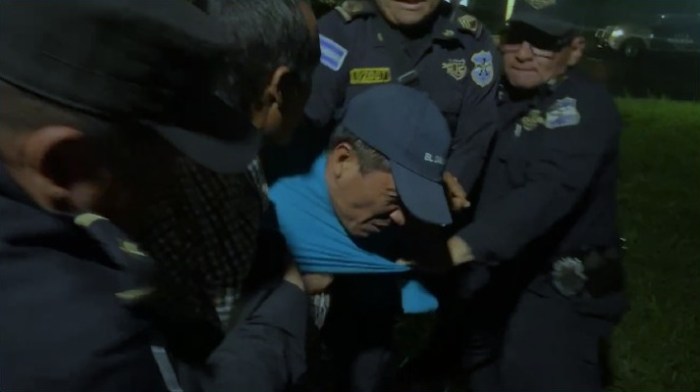
El pastor Ángel Pérez, respetado líder espiritual y presidente electo de la cooperativa, fue detenido sin orden judicial. Hoy sigue detenido.
El impacto de su detención ha sido profundo. Durante más de 25 años, Ángel Pérez ha servido como pastor de una iglesia afiliada a la Misión Cristiana Elim y también ha sido un firme defensor de su comunidad, denunciando fraudulentos acuerdos sobre tierras de El Bosque, un bosque en el Departamento de San Salvador, junto al barrio Residencial Santisima Trinidad, y muy cercano a la residencia del presidente de la República, Nayib Bukele, y la Comunidad San Francisco, amenazada con su desplazamiento a través de injustas resoluciones judiciales que lo han permitido.
Algunos residentes se han escondido después de que la policía viniera a buscarlos, mientras que muchos otros tienen demasiado miedo para asistir a la iglesia. Con la detención de su líder de mayor confianza, la comunidad ha quedado conmocionada e insegura sobre lo que pudiera ocurrir después.
El pastor Ángel Pérez es detenido el 12 de mayo.
Durante semanas, el Estado prohibió incluso a los abogados del pastor Ángel Pérez que lo visitaran. No fue sino hasta el viernes 30 de mayo, cuando se les permitió por fin hablar con el pastor durante una vista judicial, en la que un juez presentó formalmente los cargos contra él. A pesar de que sus abogados presentaron una amplia justificación legal para su libertad, el juez denegó la petición.
El 3 de junio, el pastor Ángel Pérez fue trasladado de una celda de la policía local, al Centro Penitenciario La Esperanza de San Salvador; una prisión de máxima seguridad, emblemática por la severidad con que El Salvador aborda la delincuencia y ampliamente criticada por su grave hacinamiento, sus condiciones inhumanas y los informes de muerte en ese lugar.
Su familia se encuentra a horas de distancia de él, y está obligada a viajar para entregarle alimentos y artículos de higiene personal. Su traslado no es un incidente aislado, sino que refleja una pauta más amplia bajo el actual «estado de emergencia» del presidente Nayib Bukele declarado en 2022, en respuesta a un repunte de homicidios presuntamente cometidos por bandas. Esta política ha llevado al encarcelamiento masivo de más de 85.000 personas y ha suscitado críticas internacionales por detenciones arbitrarias, hacinamiento y denuncias de tortura y muertes bajo custodia.
El pastor Pérez, líder comunitario sin antecedentes penales, se enfrenta ahora a seis meses de prisión preventiva mientras continúa la investigación. Sus abogados siguen apelando y solicitan alternativas como el arresto domiciliario.
Todo ello por defender pacíficamente a su comunidad.
Reflejos represivos, independientemente de la afiliación política
El Salvador se presenta hoy como un bastión de la ley y el orden bajo un presidente populista de derechas. Sin embargo, la represión de los líderes religiosos no es exclusiva del país. Aunque el contexto y la ideología pueden diferir, pocos días después de la detención del pastor Pérez, se produjo una historia similar en Cuba, esta vez bajo un gobierno que lleva décadas gobernado por un partido único y que se presenta como socialista y revolucionario. También allí, una pareja de pastores fue castigada no por algún acto de violencia, sino por invocar sus creencias religiosas frente a la injusticia del Estado.
El 19 de mayo, los pastores cubanos Luis Guillermo Borjas y Roxana Rojas fueron detenidos tras hacer referencia de Dios, durante el tribunal militar contra su hijo, quien estaba siendo juzgado por intentar eludir el servicio militar obligatorio, a pesar de tener una exención médica. La pareja fue acusada de desacato y desobediencia a las autoridades, por lo que los fiscales solicitan una sentencia de ocho años de prisión. Su juicio se ha aplazado indefinidamente, sin que las autoridades cubanas hayan dado ninguna razón, por lo que sobre ellos se cierne la amenaza de una posible pena de prisión. El pasado 9 de junio, su hijo de 19 años fue condenado a cuatro años de prisión y trasladado al Guayao, una cárcel de máxima seguridad y una de las más represivas de Cuba, donde es casi imposible que sus padres lo visiten.
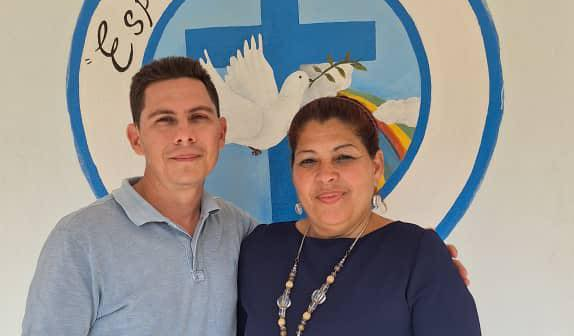
Los pastores Luis Guillermo Borjas y Roxana Rojas.
Ideológicamente, El Salvador y Cuba no podrían parecer más diferentes. Sin embargo, ambos exhiben los mismos reflejos cuando se enfrentan a la disidencia pacífica, especialmente por parte de actores religiosos. Las mismas tácticas -vigilancia, acoso legal, acusaciones penales por «desorden público» y uso de la policía para enviar un mensaje- se despliegan con una similitud escalofriante.
Debemos tener cuidado de no asumir que la represión gubernamental adopta solo una forma política. Ya sea que se presente en el lenguaje del nacionalismo o del socialismo, cualquier gobierno que castigue la protesta pacífica y suprima las voces independientes no debe quedar sin reclamo.
La libertad de religión o creencia va más allá del derecho al culto, incluye la libertad de vivir las propias creencias en la vida cotidiana. Cuando se encarcela a pastores por apoyar a sus comunidades, todos los que valoran los derechos humanos y la democracia deben responder, no con lealtad política, sino con compasión y unidad.