Ciudadanía y conflicto: Los ejércitos de Israel y Myanmar se están aprovechando de las personas desplazadas

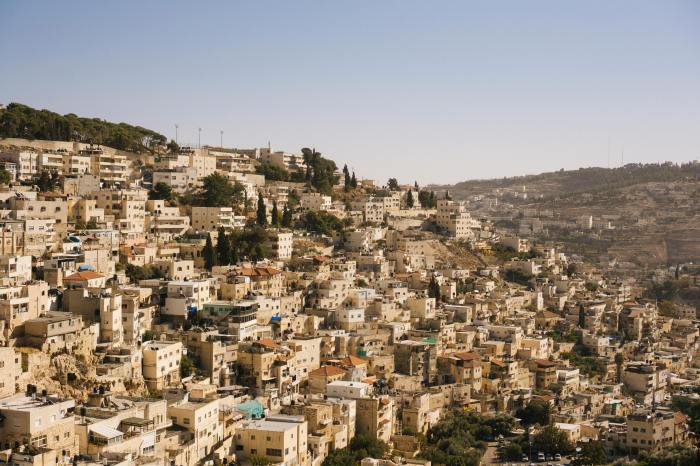
Actualmente hay alrededor de 30,000 solicitantes de asilo en Israel. La mayoría han huido de la severa represión, incluida la persecución religiosa, bajo un gobierno responsable de décadas de crímenes de lesa humanidad generalizados  en Eritrea, o procedentes de Sudán, donde un agotador conflicto de mas de 18 meses entre las Fuerzas de Apoyo Rápido y las Fuerzas Armadas de Sudán es la última de una serie de calamidades que han causado una grave crisis humanitaria.

La mayoría ha viajado a través de Egipto antes de llegar allí, por lo general con la ayuda de traficantes de personas, y corren un gran riesgo de agresión, extorsión, violencia de género o arresto y posible deportación . La mayoría de los que completan este viaje son hombres jóvenes, junto con algunas mujeres jóvenes que probablemente han soportado atrocidades inimaginables en el camino.

A su llegada, estos solicitantes de asilo se encuentran en un limbo legal; según la Línea Directa para Refugiados y Migrantes, la principal organización de defensa de los refugiados de Israel, Israel aprueba menos del 1% de las solicitudes de asilo que recibe, con muchos casos pendientes desde hace más de cinco o incluso diez años.

Continue reading “Ciudadanía y conflicto: Los ejércitos de Israel y Myanmar se están aprovechando de las personas desplazadas”

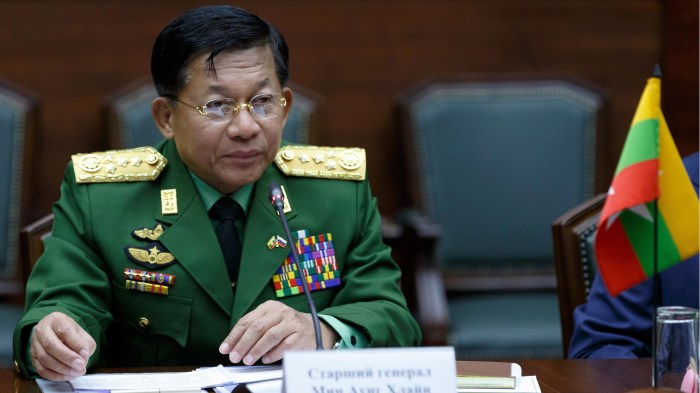
Citizenship and conflict: How the militaries of Israel and Myanmar are taking advantage of displaced persons

There are currently around 30,000 asylum seekers in Israel. Most have fled severe repression, including religious persecution, under a government responsible for decades of widespread crimes against humanity in Eritrea, or come from Sudan, where a gruelling 18-month conflict between the Rapid Support Forces and Sudan Armed Forces is the latest in a series of calamities to cause a severe humanitarian crisis.

Most will have travelled through Egypt before arriving there, typically with the help of people smugglers, and at great risk of assault, extortion, gender-based violence, or arrest and possible refoulement. The majority of those who complete this journey are young men, together with some young women who have likely endured unimaginable atrocities en route.

Upon their arrival, these asylum seekers find themselves in legal limbo; according to the Hotline for Refugees and Migrants, Israel’s leading refugee advocacy organisation, Israel approves less than 1% of the asylum claims it receives, with many cases pending for over five or even ten years.

Continue reading “Citizenship and conflict: How the militaries of Israel and Myanmar are taking advantage of displaced persons”
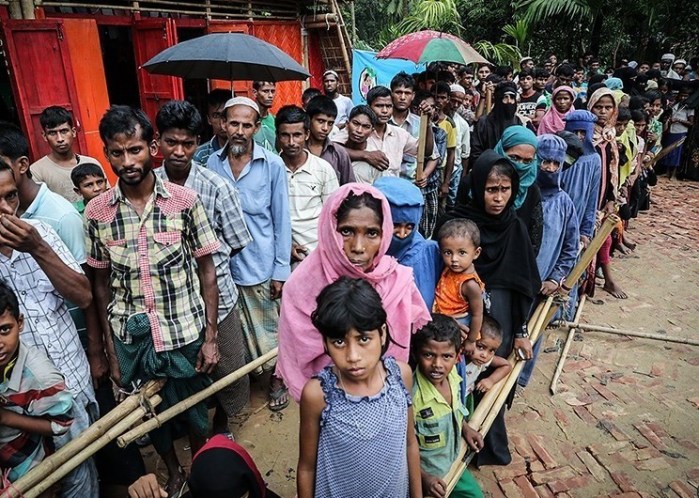
Rohingya Muslims displaced from Myanmar/Burma.

We must not let the Rohingya people slip to the bottom of the international agenda

On 2 December 2022 a group of approximately 180 Rohingya refugees boarded a boat in Cox’s Bazar in Bangladesh. Their intended destination was Malaysia, where many hoped to be reunited with family and loved ones, or to build a better life than the one available to them in the overcrowded, unsanitary and increasingly dangerous camps in Bangladesh.

They never made it.

In a statement issued on 25 December, the United Nations expressed concern that the boat had sank after it went missing in the Andaman Sea. Relatives of those onboard told the Guardian that they had little hope that their family members were still alive, and if confirmed it would bring the number of Rohingya refugees who have died on sea crossings to Malaysia in 2022 close to 400.

Continue reading “We must not let the Rohingya people slip to the bottom of the international agenda”

365 days and counting: The international community still needs to end the suffering of Tigray

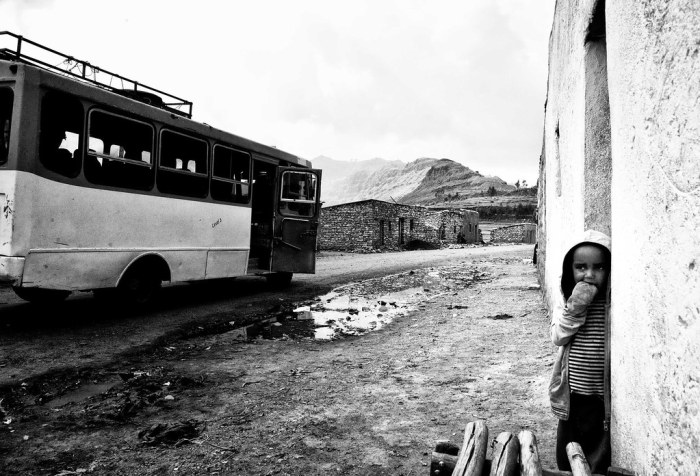
On 4 November 2020 Ethiopian Prime Minister Abiy Ahmed ordered a military offensive against the Tigray Peoples’ Liberation Front (TPLF) forces in response to an attack on a federal army base which the Tigrayan authorities described as pre-emptive. Troops from Eritrea and Somalia joined the ENDF in launching a pincer movement against the Tigrayans, and communications to the region were cut and remain disrupted to this day. 

The attack marked the beginning of a conflict which is still ongoing, one in which over 52,000 people have died, and an estimated 1.7 million have been displaced internally. One year on and the crisis in Tigray is showing no signs of coming to an end, with Prime Minister Abiy pledging to “bury this enemy with our blood and bones and make the glory of Ethiopia high again” in a statement on 3 November – hardly the words expected from a Nobel Peace Prize winner.

Along with the Eritrean leader, PM Abiy and his government are responsible for a horrific campaign of violence against the people of Tigray which a joint investigation by the Ethiopian Human Rights Commission (EHRC) and the UN Human Rights Office (OHCHR) recently found may have involved war crimes and crimes against humanity, a finding they attribute to both sides of the conflict.

Continue reading “365 days and counting: The international community still needs to end the suffering of Tigray”

“There is no excuse”: The international community must finish the work of holding North Korea to account

Content warning: This blog contains descriptions of rape, sexual violence and violence against infants


By Benedict Rogers

Almost exactly twenty years ago, CSW began to investigate the human rights situation in North Korea, and in particular the persecution of Christians.

It is fair to say that we were one of the very first human rights organisations to sound the alarm about the gravity and scale of human rights atrocities in the world’s most closed and most repressed nation.

The tragedy is that twenty years on, little has changed and the world continues to turn a blind eye.

Dislodging the bricks

In 2007 we published one of the first and most comprehensive studies of the atrocity crimes in North Korea, in a report titled North Korea: A Case to Answer, a Call to Act. In so doing, we became one of the first organisations to call for the establishment of a United Nations Commission of Inquiry to investigate crimes against humanity.

Continue reading ““There is no excuse”: The international community must finish the work of holding North Korea to account”