The case for EU sanctions on Sudan’s military leaders

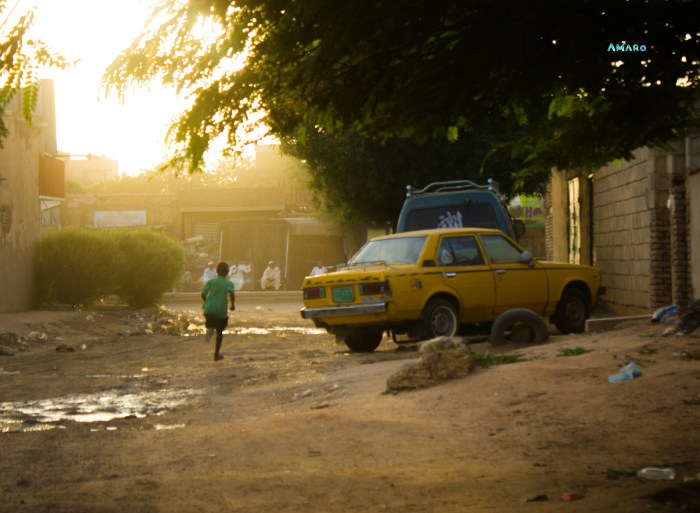
With over 14 million people displaced, the world’s largest humanitarian crisis is currently taking place in Sudan. Abdel Fattah al-Burhan (“Burhan”), leader of the Sudan Armed Forces (SAF, i.e. the national army); and Mohamed Hamdan Dagalo (“Hemedti”), leader of the Rapid Support Forces (RSF) militia, have vested interests in the continuation of conflict, and were this larger one to settle, there would likely be other domestic conflicts with armed groups in Darfur, South Kordofan and Blue Nile which have not taken a side in this war. Additionally, the current conflict has seen the formation of a coalition of militias that have joined with either the SAF or RSF.  

The international community must therefore seek concertedly to secure a lasting ceasefire, and to bring an end to this war in such a way that neither Burhan nor Hemedti is in a position to play a role in the country’s future governance. There have been moments in recent history when the international community has fallen for compromises that appeared to offer  stability in the short-term, for example the civilian-led transitional government that gave both Burhan and Hemedti prominent positions in a power sharing Sovereign Council following the ouster of President Omar al-Bashir in 2019, only for their October 2021 coup to remove civilian leaders and effectively install a military-controlled government, which has been in place since then. The only path toward a viable and stable future for Sudan is through an unencumbered civilian leadership. 

Continue reading “The case for EU sanctions on Sudan’s military leaders”
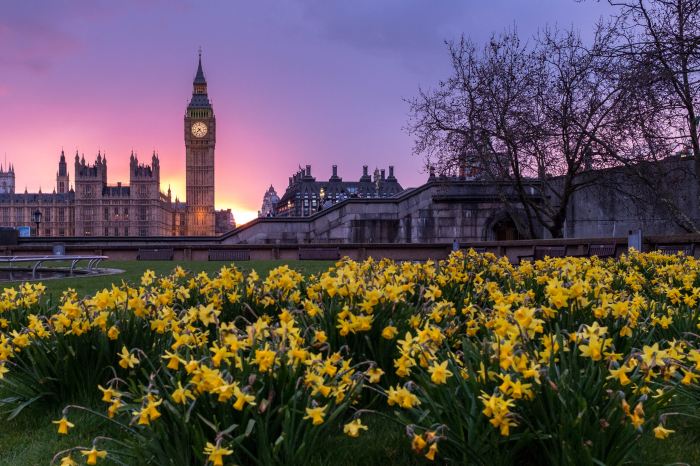
Daffodils in front of the UK Houses of Parliament

Combatting impunity is essential for the realisation of the right to freedom of religion or belief 

Violations of freedom of religion or belief (FoRB) take many forms: harassment, discrimination, threats, imprisonment or even death on account of one’s religion or belief. The impunity that generally surrounds these violations undercuts the rule of law, denies justice to victims, and perpetuates an environment conducive to further violations. The issue is multifaceted and nuanced, with socio-political, legal, and psychological dimensions.

Socio-political implications

When state or non-state actors perpetrate FoRB violations without facing repercussions, it critically erodes public trust in the institutions responsible for upholding the rule of law. This erosion of trust threatens social cohesion and contributes to societal fragmentation.

Continue reading “Combatting impunity is essential for the realisation of the right to freedom of religion or belief “
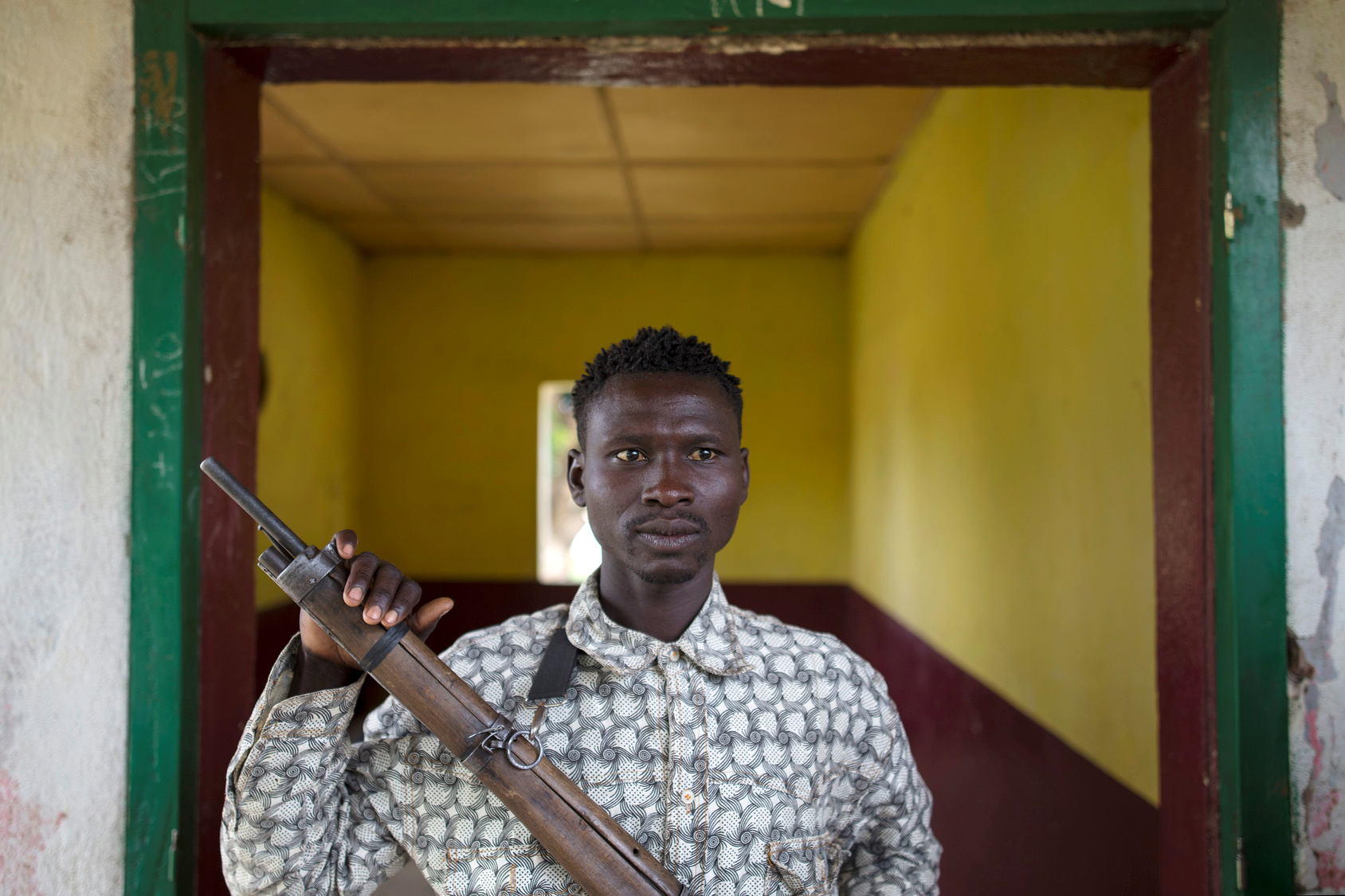
A member of the Anti-Balaka armed militia poses as he displays his weapon in the town of Bocaranga Central African Republic.

Justice at last in the Central African Republic, but the government’s work is not finished yet

In late October the internationally-backed Special Criminal Court in the Central African Republic (CAR) released a verdict in the chamber’s first full trial. The case was brought against three leaders of the armed group Retour, Réclamation et Réhabilitation (3R), who were found guilty of war crimes and crimes against humanity.

Issa Sallet Adoum (alias Bozizé) was sentenced to life imprisonment, and his co-defendants, Mahamat Tahir and Yaouba Ousman, each received 20-year prison sentences.

All three were accused of orchestrating attacks on the northwestern villages of Koundjili and Lomouna on 21 May 2019 in which at least 46 unarmed civilians were killed and dozens more were injured. The men are said to have targeted civilian populations that did not support 3R, tying up and shooting civilians before proceeding to subject women and girls in the villages to mass rape and sexual violence.

Continue reading “Justice at last in the Central African Republic, but the government’s work is not finished yet”

Central African Republic: is justice being sacrificed for the illusion of peace?

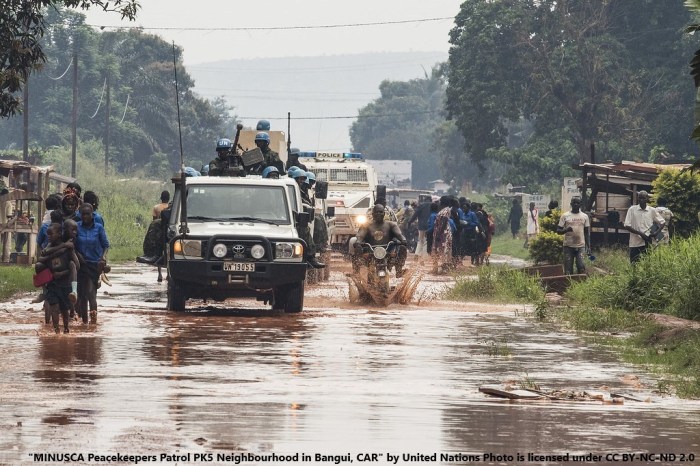
On 21 May, over 26 people were killed and dozens injured when an armed group attacked two villages in the north west of the Central African Republic (CAR). The attacks were reported by the UN peacekeeping mission in CAR, MINUSCA, which confirmed that twelve people were killed in Koundjili village and 14 in Djoumjoum village. 

Whilst reports of violent and devastating attacks on civilians in CAR are not new, these attacks represent a new challenge for the recently re-constituted government following the latest peace agreement between the government and armed groups.

The alleged perpetrator of the attacks on the two villages is the rebel group known as 3R (Return, Reclamation and Reconciliation). The group was formerly part of the Seleka alliance that took over the country following a coup in March 2013.  The alliance was subsequently disbanded, but armed groups fragmented and seized territories outside of the capital, Bangui.

Continue reading “Central African Republic: is justice being sacrificed for the illusion of peace?”

Mexico’s Culture of Impunity Part 1: Mediation in lieu of justice

While Mexico’s drug trade is far from vanished, President Andrés Manuel López Obrador (AMLO) recently stated that “there is no longer a war.” He has a new strategy. The president says they are no longer trying to arrest drug lords, but instead want to look at the causes of violence.

“We have not detained the bosses [of criminal gangs] because this is not our main function. The government’s main function is to guarantee public security…What is important to me is lowering the number of homicides, robberies, that there are no kidnappings. This is what is essential! Not the spectacular, because we lost a lot of time in this and it resolved nothing.”

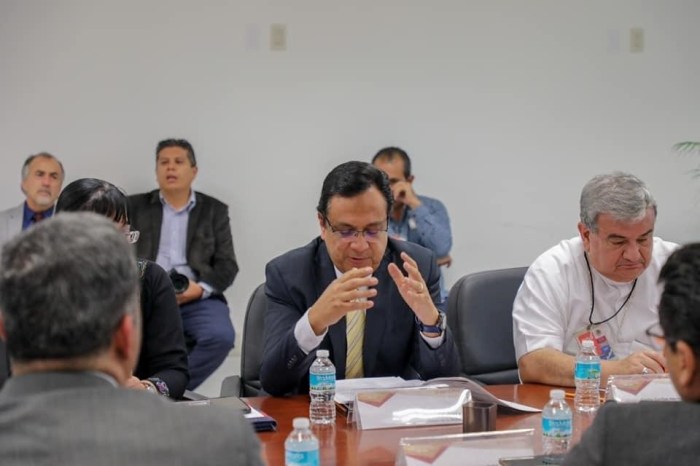
To achieve this, AMLO appears to be looking to religious groups.

Continue reading “Mexico’s Culture of Impunity Part 1: Mediation in lieu of justice”