The death of secularism in India: ‘Homecoming’ in the name of the Hindu rashtra

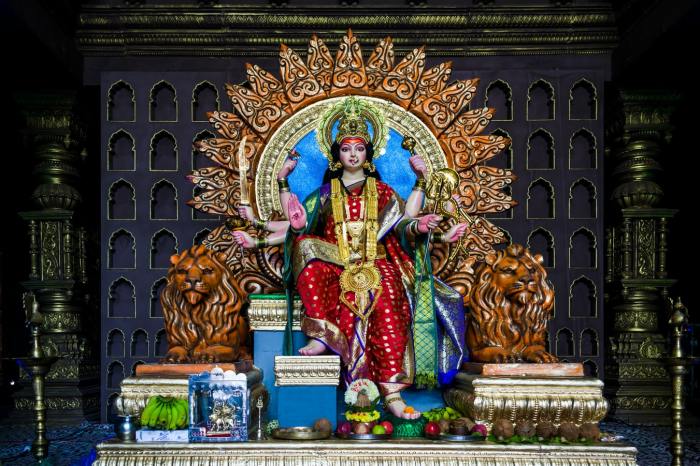
In 2014, months after the Bharatiya Janata Party (BJP) came into power, Praveen Togadia, the former President of the Visha Hindu Parishad (World Hindu Council [VHP]), said that his organisation will work towards making India a 100% Hindu nation.

This vision of a Hindu rashtra (nation) has continued to intensify over the past six years, with rhetoric promoting old narratives that all Indians are Hindus despite their religion or belief, as well as suggestions that Muslims in the country are perpetrating a “love jihad” campaign to strengthen Islamic influence, and that Western governments are providing support for the proselytisation of Christianity.

Misinformation and disinformation have been rife in India for decades. In 1999, false assertions about foreign missionaries preceded the horrific killing of the Australian Graham Staines and his two sons in Orissa (now Odisha). This marked a rise in suspicion towards and violence against Christians, which has continued to date.

Continue reading “The death of secularism in India: ‘Homecoming’ in the name of the Hindu rashtra”

Criminalised, killed and cursed: The plight of Pakistan’s Ahmadiyya community

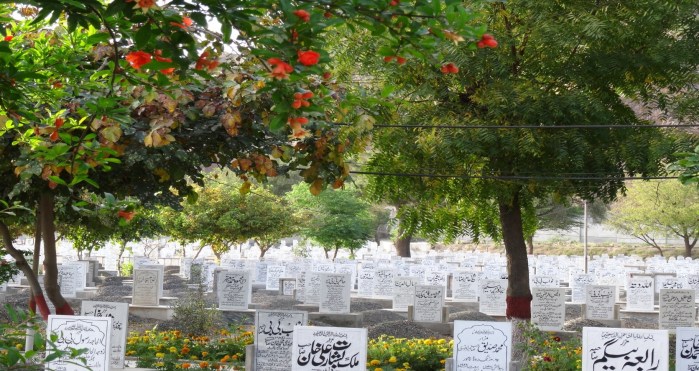
On 11 February, Abdul Qadir, a 65-year-old Ahmadi homeopathic doctor, was shot dead outside his homeopathic clinic in the Bazikhel area of Peshawar in north-western Pakistan. His killing marked the latest in a concerning uptick in religiously motivated attacks on Ahmadis, particularly in Peshawar.

Last year, CSW documented at least five other instances in which Ahmadis were killed, including an incident in which 31-year-old doctor, Tahir Mahmood, was murdered in front of his family at his home in Murch Balochan in Nankana Sahib District, Punjab.

The fact that Pakistan’s Ahmadiyya community has a long history of experiencing harassment, discrimination, violence and other human rights violations within Pakistani society leaves little doubt that these murders are religiously motivated. A pattern is also clearly emerging whereby prominent doctors and academics have been specifically singled-out by extremists.

Continue reading “Criminalised, killed and cursed: The plight of Pakistan’s Ahmadiyya community”

“Souls were scarred that day”: Remembering the Gulshan-e-Iqbal Park Easter Sunday bombings

Last weekend, as Christians around the world celebrated Easter Sunday, many in Pakistan were no doubt remembering a day of similar celebration five years ago – one that sadly turned into a day of horror and mourning.

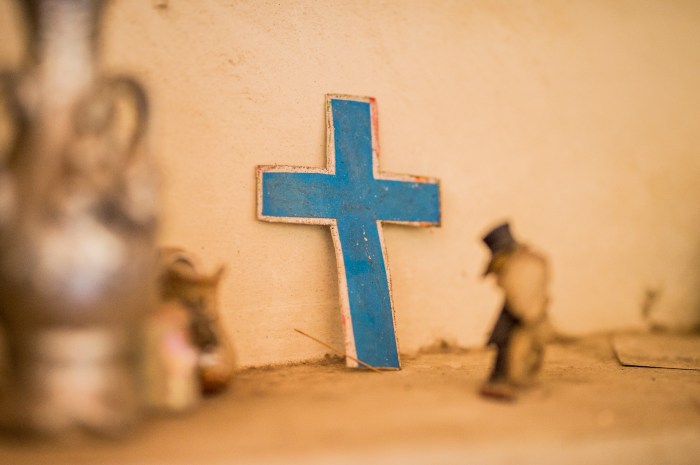
On that day in 2016, suicide bombers carried out an attack targeting Christians who had gathered to celebrate in the Gulshan-e-Iqbal Park in Lahore. Over 72 people were killed, and around 300 more were injured.

On the fifth anniversary of the attacks, CSW spoke to several of those whose lives were changed forever on that day, and who continue to await justice.

Continue reading ““Souls were scarred that day”: Remembering the Gulshan-e-Iqbal Park Easter Sunday bombings”

A long road to recovery: Sri Lanka’s Easter Sunday Bombings two years on

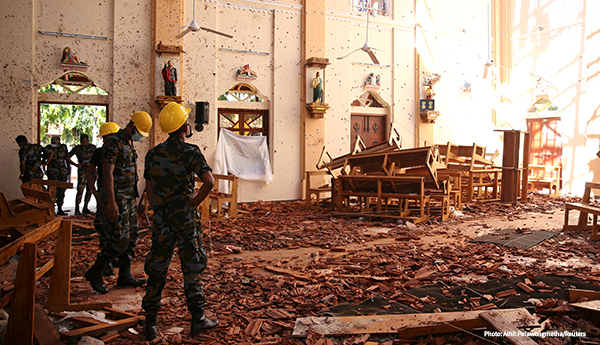
On Easter Sunday 2019, suicide bombers launched a series of coordinated attacks on churches and hotels across Sri Lanka. Over 250 people were killed, and some 500 more were injured.

The attacks destabilised already tense ethno-religious relations in the country, with intolerance and violence towards Muslims particularly increasing in their wake.

Today, CSW remembers all those who lost their lives to these senseless killings. We stand with those who continue to mourn the loss of their friends, fathers, mothers, brothers, sisters and loved ones. We also remember those for whom the road to recovery in the two years since has been long and arduous, some of whose stories are shared below. Their names have been changed for security reasons.

Continue reading “A long road to recovery: Sri Lanka’s Easter Sunday Bombings two years on”

North Korea and the Xinjiang Uyghur Autonomous Region: Grim parallels in two of the most repressive parts of the world

On 3 March the China-focused information platform SupChina published translated extracts from a 16-hour discussion in a “room” on the app Clubhouse called “Is there a concentration camp in Xinjiang?” The room attracted an incredible 4,000 participants, but the truly remarkable thing about the conversation was that it brought together Uyghurs and Han Chinese people – both inside and outside China – in a space momentarily beyond government restrictions.

Reliable information about what is happening to the Uyghurs is heavily censored in China; the only news about the Xinjiang Uyghur Autonomous Region is from state media, which paints Uyghurs as either potential terrorists or grateful recipients of the government’s “re-education” programme.

Before it was banned, Clubhouse briefly provided a brand-new channel for open discussion of one of the most sensitive issues in China today. SupChina described the conversation as “historic,” and it was; historic, moving, tragic and illuminating.

Continue reading “North Korea and the Xinjiang Uyghur Autonomous Region: Grim parallels in two of the most repressive parts of the world”