Citizenship and conflict: How the militaries of Israel and Myanmar are taking advantage of displaced persons

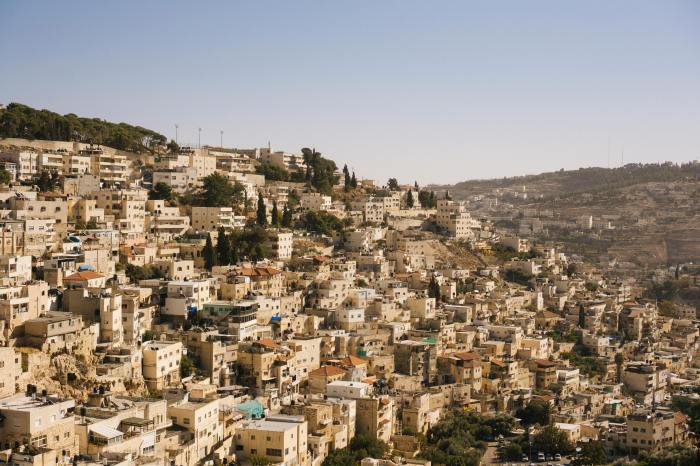
There are currently around 30,000 asylum seekers in Israel. Most have fled severe repression, including religious persecution, under a government responsible for decades of widespread crimes against humanity in Eritrea, or come from Sudan, where a gruelling 18-month conflict between the Rapid Support Forces and Sudan Armed Forces is the latest in a series of calamities to cause a severe humanitarian crisis.

Most will have travelled through Egypt before arriving there, typically with the help of people smugglers, and at great risk of assault, extortion, gender-based violence, or arrest and possible refoulement. The majority of those who complete this journey are young men, together with some young women who have likely endured unimaginable atrocities en route.

Upon their arrival, these asylum seekers find themselves in legal limbo; according to the Hotline for Refugees and Migrants, Israel’s leading refugee advocacy organisation, Israel approves less than 1% of the asylum claims it receives, with many cases pending for over five or even ten years.
Continue reading “Citizenship and conflict: How the militaries of Israel and Myanmar are taking advantage of displaced persons”

UN International Day of the Victims of Enforced Disappearances: Honouring Eritrea’s Missing Voices

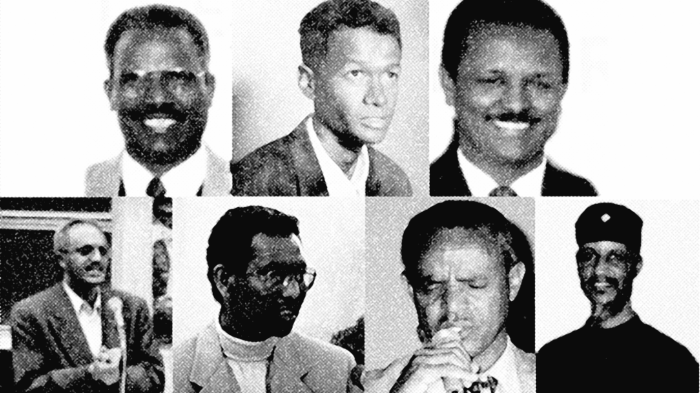
On the International Day of the Victims of Enforced Disappearances, CSW shares a guest blog post from our friends and partners at Human Rights Concern-Eritrea (HRC-E).

As the world marks the UN International Day of the Victims of Enforced Disappearances, we stand in solidarity with the countless Eritrean families who have endured decades of pain, uncertainty, and fear. This day is a poignant reminder of the grave human rights violations committed by the Eritrean government, which continues to use enforced disappearance as a means to silence dissent and control its population.

Eritrea is one of the most repressive states in the world, where enforced disappearances are not isolated incidents, but part of a systematic campaign to quash opposition. Thousands of Eritreans, including political dissidents, journalists, religious figures, and ordinary citizens, have been forcibly disappeared—detained without trial, often in secret prisons, leaving their families in the dark about their fate or whereabouts.

Continue reading “UN International Day of the Victims of Enforced Disappearances: Honouring Eritrea’s Missing Voices”

Twenty years is too long: The Eritrean government must release imprisoned church leaders

Twenty years ago today the Eritrean authorities arrested Reverend Haile Naizge and Dr Kuflu Gebremeskel. Both were prominent religious leaders in the country, the former serving as the chair of the Full Gospel Church, and the latter as chair of the Eritrean Evangelical Alliance and a visiting lecturer at the former University of Asmara.

They have been detained incommunicado ever since.

The arrests of Reverend Naizge and Dr Gebremeskel are not the only anniversaries Eritrea marks this month. In May 2002 the government effectively outlawed religious practices not affiliated with Sunni Islam or the Catholic, Evangelical Lutheran or Orthodox Christian denominations. Since then, all other religious groups have been required to register in order to freely practise their faith, but the process to do this is onerous, intrusive and ultimately inconclusive, as the final step consists of the president’s signature.

Continue reading “Twenty years is too long: The Eritrean government must release imprisoned church leaders”
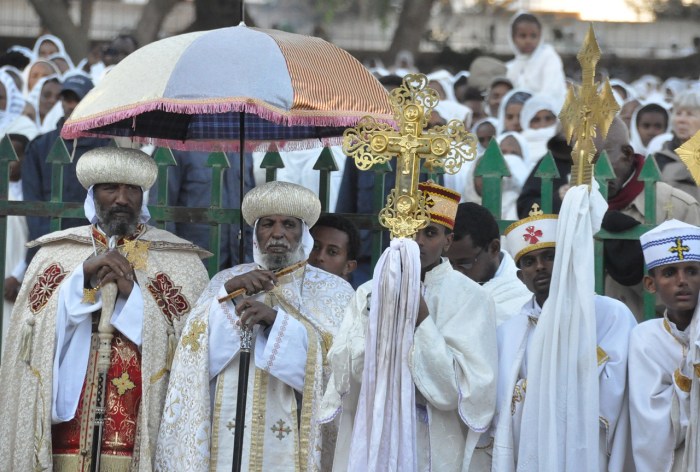
Leaders from the Eritrean Orthodox Tewahedo Church at Timkat Festival in Asmara, Eritrea.

The international community must assist in transforming Eritrea’s pathocracy into a genuine democracy

27 April 1993: Eritrea declares official independence from Ethiopia after a referendum which saw a 98.5% turnout with a 99.83% vote in favour.

The vote took place nearly two years after the defeat of Ethiopian forces in Eritrea in May 1991, which brought with it an end to nearly three decades of civil war. The referendum installed the leader of the Eritrean People’s Liberation Front (EPLF, which later became PFDJ – People’s Front for Democracy and Justice) Isaias Afewerki as president, and it was hoped that he would lead the Eritrean people into a just and democratic future – then-US President Bill Clinton even referred to him as a ‘renaissance African leader’.

Sadly, this did not occur. Afewerki remains the only ruler Eritrea has ever known, and under his leadership the nation’s heroic liberation struggle has been resolutely betrayed due to his obsession with absolute power.

Continue reading “The international community must assist in transforming Eritrea’s pathocracy into a genuine democracy”
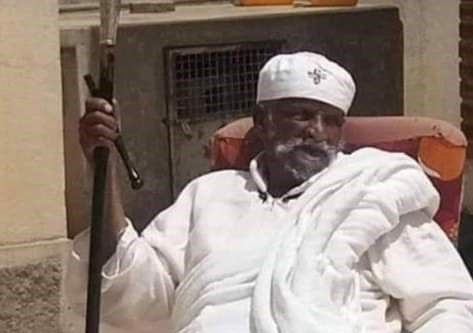
Abune Antonios, the legitimate patriarch of the Eritrean Orthodox Church.

Let us honour the memory of Patriarch Antonios by bringing an end to the violations of the Eritrean regime

Abune (Father) Antonios, the legitimate patriarch of the Eritrean Orthodox Church, died a year ago today. He was 94 years old, and had spent the last 16 years of his life under house arrest following his repeated objections to unwarranted government interference in church affairs.

In April 2004, the patriarch was appointed with the unanimous endorsement of the Holy Synod of the Church to lead one of only four recognised religious denominations in Eritrea (the others being Catholicism, Evangelical Lutheranism, and Sunni Islam). As a leader of one of the few religious communities not directly outlawed by the Eritrean authorities, one might have expected that he would not face the harassment and pressures the Eritrean regime excels in dispensing.

However, this was not the case. By August 2005 he had been removed by the government from administrative control of the patriarchate, and confined to ceremonial duties. Then in January 2006 he was removed from office in violation of canon law, his advisor Merigeta Yitbarek Berhe was detained, and he was held under de facto house arrest at his official residence. Eventually, in 2007 the patriarch’s personal pontifical insignia and clothing were seized, and he was formally placed under incommunicado house arrest in an undisclosed location in the Eritrean capital, Asmara.

Continue reading “Let us honour the memory of Patriarch Antonios by bringing an end to the violations of the Eritrean regime”