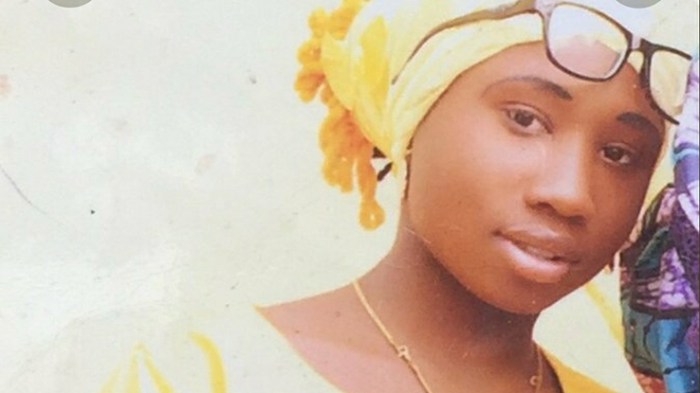
The international community must not allow the Nigerian government to fail Leah Sharibu any longer

Today is Leah Sharibu’s 22nd birthday. 

Anyone who has been following the work of CSW for some time will likely be familiar with some of the details surrounding her case: the fact that this is the eighth consecutive birthday that she has marked as a prisoner of the Islamic State West Africa Province (ISWAP); the fact that she was one of 110 girls abducted from the Government Girls Science and Technical College in Dapchi in Nigeria’s Yobe State on 19 February 2018; the fact that she was the sole Christian among them and was therefore denied her freedom because she refused to convert to Islam as a pre-condition for release – even as government negotiations saw all of her surviving classmates returned to their families in March 2018. 

Over the past seven years, successive administrations have failed to deliver on official promises to secure Leah’s release, including a personal pledge by former President Muhammadu Buhari made directly to Leah’s mother Rebecca. In January 2022 – over three years ago – Nigeria’s then Chief of Defence Staff General Lucky Irabor assured Nigerian media that there were plans and processes in place ‘to ensure that not just Leah Sharibu but every other person held captive is released.’  

And yet she remains in captivity, having been declared a ‘slave for life’, renamed, forcibly ‘married’ to ISWAP fighters, and given birth to three children. 

Continue reading “The international community must not allow the Nigerian government to fail Leah Sharibu any longer”
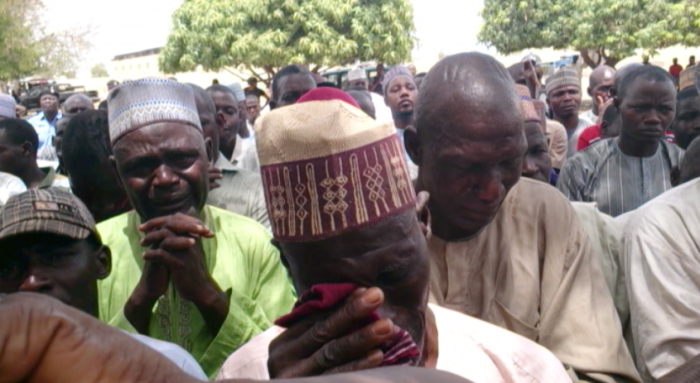
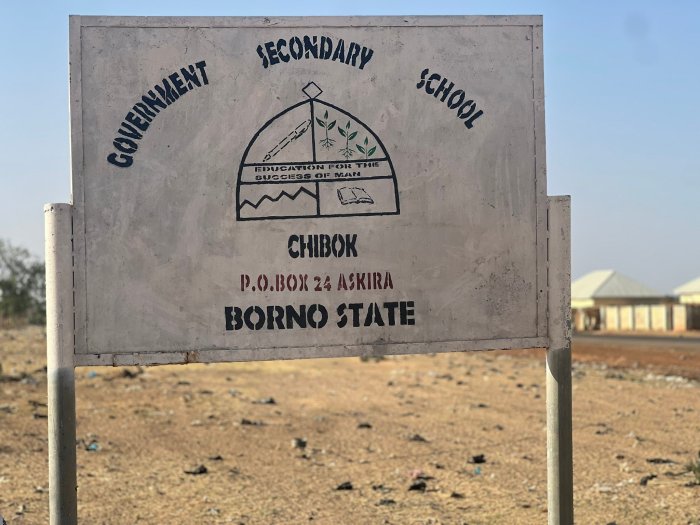
Después de diez años del secuestro de las niñas de Chibok, el gobierno nigeriano debe por fin proteger a las comunidades vulnerables  

El mes pasado, 137 familias de Kuriga, en el estado de Kaduna, Nigeria, dieron un suspiro colectivo de alivio cuando sus hijos e hijas regresaron a casa después de más de dos semanas de cautiverio terrorista. 

Los niños fueron secuestrados en su escuela el 7 de marzo, cuando asaltantes armados invadieron el plantel justo cuando las clases estaban a punto de comenzar. La escuela informó que se llevaron a 287 estudiantes; sin embargo, el gobernador del estado de Kaduna, Uba Sani, ha intentado desde entonces descartar la cifra como “producto de la imaginación de alguien”, a pesar de que inicialmente él mismo citó la misma cifra. 

De esto surgen algunas preguntas: ¿qué se está haciendo para confirmar que todos los estudiantes han sido efectivamente liberados? ¿Qué pasa con los miles de personas que han sido secuestradas por grupos terroristas en los últimos años? Y, por último, ¿cómo es posible que esto siga sucediendo una década después de que los secuestros masivos en Nigeria aparecieran por primera vez en la agenda internacional?  

Continue reading “Después de diez años del secuestro de las niñas de Chibok, el gobierno nigeriano debe por fin proteger a las comunidades vulnerables  “

A criminal shouldn’t benefit from his/her criminal activities

This article was originally published on the CSW-Nigeria website.

Christian Solidarity Worldwide Nigeria (CSWN) came across an article written by the British Broadcasting Corporation (BBC) titled: Nigeria’s Chibok Girls: Parent of Kidnapped Children Heartbroken – Again, dated 1st April, 2024. There was also an Arise News programme on April 3rd, 2024, on the morning show, titled: Freed Chibok Girls Wed Captors in Borno. The Arise news program dwells on the BBC article but expands it with more insight.

What the two media outlets were saying is that some of the freed/rescued Chibok secondary school girls, abducted on April 14, 2014, by Boko Haram, have chosen to remain with their de-radicalized, former insurgent husbands at an accommodation provided by the Borno State government under its de-radicalisation program.

The BBC article added that seven of such girls are staying in the government-provided accommodation with their de-radicalised insurgent husbands, while other girls are engaged to former fighters they met at the de-radicalisation camp.

Continue reading “A criminal shouldn’t benefit from his/her criminal activities”

Ten years since the abduction of the Chibok Girls, the Nigerian government must finally protect vulnerable communities

Last month, 137 families in Kuriga in Nigeria’s Kaduna State breathed a collective sigh of relief as their sons and daughters returned home after over two weeks in terrorist captivity.

The children were abducted from their school on 7 March when armed assailants descended on the premises just as classes were about to commence. The school reported that 287 students were taken; however Kaduna State Governor Uba Sani has since attempted to dismiss the figure as being a ‘figment of someone’s imagination’, despite initially citing the same number himself.

Several questions emerge from this: what is being done to confirm that all of the students have indeed been freed? What about the thousands of other individuals who have been abducted by terrorist groups in recent years? And finally, how can this still be happening a decade after mass kidnappings in Nigeria first landed on the international agenda?

Continue reading “Ten years since the abduction of the Chibok Girls, the Nigerian government must finally protect vulnerable communities”

Five years is too long: the Nigerian government must deliver on its promises to secure the release of Leah Sharibu

Leah Sharibu has been the hostage of terrorists for five years now.

She was just 14 years old when she was taken – the sole Christian among a group of 110 schoolgirls abducted from their school in Dapchi, Nigeria, by members of the Islamic State West Africa Province in February 2018.

Those familiar with her case will recall that just one month later all of Leah’s surviving classmates – five died in transit – were loaded onto trucks and returned to their families following negotiations by the government. But Leah was not among them.

The terrorists told her they would only release her if she renounced her faith and converted to Islam in exchange for her freedom. At just 14 years of age, Leah refused to give in to their pressure.

Continue reading “Five years is too long: the Nigerian government must deliver on its promises to secure the release of Leah Sharibu”