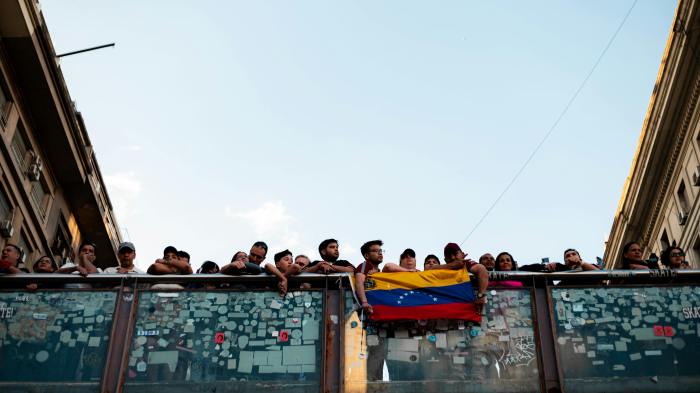
Hasta el 3 de enero de 2026, Nicolás Maduro fue jefe del gobierno venezolano. Obtuvo gran parte, si no toda, de su legitimidad porque fue elegido personalmente como sucesor por el difunto presidente Hugo Chávez, con la aprobación del entonces líder de Cuba, Raúl Castro. Esto sustituyó la cadena normal de sucesión, bajo la cual Diosdado Cabello, como jefe de la Asamblea Nacional, debería haber asumido la presidencia hasta que se pudieran celebrar elecciones.
En ese momento, la especulación era grande ante posibles divisiones dentro del círculo íntimo de Chávez y la posibilidad de que Cabello intentara tomar el poder por su cuenta. Sin embargo, Cabello y otros poderosos leales a Chávez, incluido el general Vladimir Padrino, aceptaron públicamente la elección de Chávez, permitiendo que Maduro ascendiera a la presidencia.
El resultado fue lo que se ha denominado ampliamente, y de forma engañosa, ‘el Régimen Maduro’, pero que, en realidad, es un régimen chavista – establecido estratégica e intencionadamente por un elenco de actores clave, para asegurar que el partido chavista, el Partido Socialista Unido de Venezuela (PSUV), permanezca en el poder indefinidamente. Durante los últimos 13 años, miembros de este grupo han apoyado la posición de Maduro mientras consolidaban poder y una enorme riqueza para sí mismos.
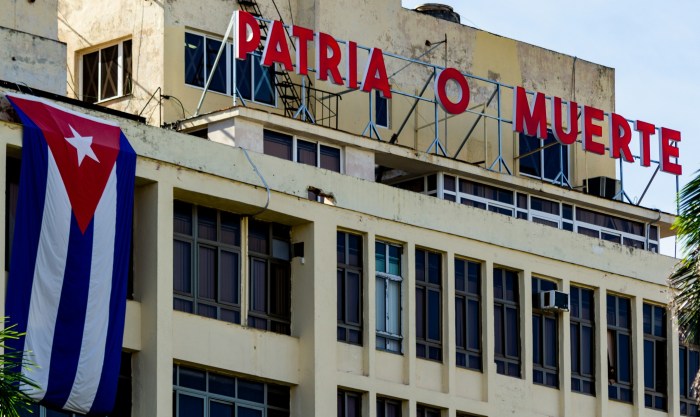
Si se pudiera hacer una comparación con Cuba. En los años 2000, muchos -incluidos cubanos- asumieron que el régimen del Partido Comunista de Cuba (PCC) llegaría a su fin, o al menos se vería significativamente debilitado por la muerte de Fidel Castro. Pero en cambio, se elaboró un plan para asegurar la estabilidad a largo plazo, entregando el poder a su hermano Raúl. Incluso entonces, muchos asumían que la familia Castro estaba interesada en establecer una dinastía, pero al no tener un heredero aparentemente definido, la esperanza era que, con el eventual envejecimiento o muerte de Raúl Castro, la estructura de poder se desmoronaría.
Sin embargo, en 2019 comenzó otra transición orquestada de poder, colocando a Miguel Díaz-Canel Bermúdez como presidente, y luego en 2021 ampliando su mandato para incluir el cargo de Primer Secretario del PCC. Este único partido sigue asentado en el poder, a pesar de una situación económica desastrosa y de infraestructuras críticas en deterioro, y rechazando categóricamente cualquier sugerencia de reforma política o social.
El gobierno venezolano, bajo el liderazgo de Maduro, nunca fue una dictadura totalitaria en el sentido clásico, construida en torno a un individuo o familia, sino una estructura compleja establecida deliberada y estratégicamente para asegurar la continuidad del sistema chavista, tal como el sistema de Castro ha continuado incluso en ausencia de miembros significativos de la familia Castro, en puestos visibles de liderazgo.
Cuba y Venezuela se gobiernan bajo sistemas construidos para durar, independientemente del apellido del individuo que aparezca en la cima de la estructura de poder, en contraste, por ejemplo, con la dinastía Kim en Corea del Norte.
Los sistemas y economías de Cuba y Venezuela han estado estrechamente ligados desde los años 2000, comenzando bajo los liderazgos de Hugo Chávez y Fidel Castro. Cuba ha proporcionado a Venezuela no solo apoyo militar y de inteligencia, sino también personal para integrarse y ayudar a remodelar las instituciones venezolanas. El ejército fue purgado, y purgado de nuevo, de cualquier sospechoso de cualquier grado de deslealtad hacia el gobierno chavista y el PSUV. También se establecieron grupos armados de militantes chavistas, llamados ‘colectivos’, en todo el país, en todos los niveles: en barrios urbanos, pueblos y aldeas, como ferventes ejecutores de las políticas chavistas.
Además, se aplicó el uso sistemático de informantes civiles por parte de Cuba, pero con un toque del siglo XXI. El gobierno chavista promovió el uso de una aplicación a través de la cual se animaba a los ciudadanos a usar sus teléfonos móviles para informar sobre sus vecinos o cualquier otra persona sospechosa de actividad antigubernamental ‘disruptiva’.
Un desmantelamiento total del sistema chavista será extremadamente desafiante y podría dejar vacíos de poder significativos en sectores institucionales y zonas geográficas del país, generando una mayor inestabilidad. Incluso con la destitución forzosa de Maduro, figuras clave del régimen siguen en el poder a nivel nacional en Venezuela, incluyendo a Cabello, Padrino, exvicepresidente y ahora presidente en funciones Delcy Rodríguez, y su hermano Jorge Rodríguez, presidente de la Asamblea Nacional de Venezuela. El poder chavista también se extiende a nivel estatal y local; el PSUV tiene poder en 23 de los 25 estados venezolanos y en el 90% de sus municipios.
Todo esto cuenta con el apoyo de los aparatos militares, paramilitares y de inteligencia que se han beneficiado del chavismo y tienen la tarea de defender su posición y el sistema que les permite mantenerla. Cuba también tiene un interés particular en mantener el sistema chavista vigente. El PCC ha confiado en Venezuela para mantenerse a flote —con los subsidios petroleros venezolanos y mexicanos usados para sostener su infraestructura eléctrica en declive— y probablemente hará todo lo posible por mantener el statu quo.
Dadas estas dinámicas, junto con la incertidumbre y los mensajes contradictorios del gobierno de Estados Unidos sobre sus próximos pasos previstos, las implicaciones a largo plazo para la democracia y los derechos humanos, incluida la libertad de religión o creencias, no están claras.
Sin embargo, lo que está claro es que el Gobierno chavista no parece estar buscando hacer concesiones en este ámbito. En uno o dos días tras la destitución de Maduro, los colectivos se activaron en todo el país para frenar cualquier indicio de protestas. Establecieron controles y fueron puerta por puerta, interrogando a quienes encontraron y revisando sus dispositivos en busca de cualquier actividad en redes sociales que pudiera indicar apoyo a la destitución de Maduro.
En una situación tan tensa e incierta como la que se encuentra Venezuela hoy, los militantes chavistas, en todos los niveles, buscarán cualquier signo de disidencia o deslealtad. Los líderes religiosos, debido a la influencia que tienen en las comunidades en las que trabajan y, en algunos casos, por su capacidad para reunirse y hablar ante grandes grupos de personas, probablemente sean de particular interés para quienes buscan mantener a los chavistas en el poder. Serán muy conscientes de la historia de antagonismo entre el Gobierno chavista y algunos líderes religiosos, especialmente de la Iglesia Católica, que han expresado críticas a las acciones y políticas de quienes ostentaron el poder en el pasado.
Los líderes de todos los grupos religiosos, especialmente aquellos que no han proclamado públicamente su lealtad al gobierno chavista, sabrán que sus sermones, oraciones públicas y cualquier otra declaración que hagan, probablemente serán objeto de escrutinio. Pueden dar por sentada la presencia de informantes en sus congregaciones. En este ámbito también, el sistema chavista ha seguido un modelo cubano: atacando a líderes religiosos que critican abiertamente su gobierno o sus políticas y fomentando la división, estableciendo programas que privilegian a grupos religiosos dispuestos a expresar públicamente su apoyo al régimen. Estas divisiones están a punto de volverse aún más marcadas. Habrá una presión creciente incluso sobre los líderes religiosos que hasta ahora han intentado mantenerse neutrales o apolíticos para dejar claro y público dónde están sus lealtades.
A la complejidad se suma la presencia ya arraigada del Ejército de Liberación Nacional (ELN), un grupo guerrillero colombiano de 60 años con una presencia significativa en Venezuela. El grupo insurgente de extrema izquierda tiene un largo historial de restringir severamente la libertad de religión o creencias (LdRC) en las zonas bajo su control o influencia en Colombia, viendo con especial hostilidad a los protestantes, a quienes consideran ‘agentes del imperialismo’ debido a los vínculos históricos de algunos con misioneros norteamericanos.
Durante más de una década, el número de combatientes activos del ELN se cuadruplicó (de unos 1.500 estimados en 2013 a aproximadamente 6.000 en 2025), y ha recibido refugio seguro dentro de Venezuela. A cambio, ha trabajado activamente con las fuerzas del gobierno chavista para asegurar partes estratégicas del país y ha ayudado a garantizar resultados ‘correctos’ de las elecciones y la eliminación de la disidencia civil.
El ELN está presente y activo en el interior venezolano, incluyendo el Arco Minero del Orinoco y, de hecho, gestiona varios municipios en estados fronterizos, donde ha impuesto sus propias normas a las poblaciones locales, incluyendo comunidades rurales, escuelas e instituciones religiosas. En algunos casos, ha expulsado a los colectivos y establecido un control militar de facto. Tanto este como otros grupos armados ilegales han empleado el uso de drones para llevar a cabo una vigilancia constante sobre quienes viven allí. Los líderes religiosos en estas zonas han sido intimidados y coaccionados, bajo amenazas explícitas de violencia, para que cumplan con las normas del ELN. Muchos líderes deben notificar al ELN antes de realizar actividades pastorales, incluyendo actividades comunitarias o visitas que involucren organizaciones internacionales.
A los grupos religiosos protestantes dentro de Venezuela, el ELN les aplica políticas similares a las que los caracterizan en Colombia. Según las normas del ELN, los líderes religiosos tienen prohibido abordar ciertos temas públicamente, incluso durante servicios religiosos o actividades comunitarias. Estos temas incluyen extorsión, secuestro, derechos humanos, empoderamiento de las mujeres y migración. A algunos se les ha prohibido usar las redes sociales y hablar con la prensa o grupos de derechos humanos, lo que limita su capacidad para comunicar necesidades comunitarias o denunciar abusos.
Las acciones de Estados Unidos probablemente envalentonarán a los ideólogos del ELN, confirmando y alimentando la narrativa antiimperialista en la que han confiado durante mucho tiempo. También es poco probable que se entusiasmen con perder Venezuela como base desde la cual operar y, si se desarrolla una mayor desestabilización política, podrían ampliar sus acciones militares hacia Venezuela para proteger sus intereses. Esto tendría consecuencias devastadoras para la población civil y probablemente resultaría en violaciones generalizadas y graves de los derechos humanos, incluidas violaciones de la LdRC.
Aunque hay mucha incertidumbre en torno a los planes estadounidenses respecto a Venezuela y hasta dónde es probable que se extienda el cambio de régimen, no cabe duda de que la situación a todos los niveles es extremadamente tensa y probablemente seguirá siéndolo en un futuro previsible. Los líderes religiosos se encontrarán en una posición especialmente visible y precaria, con sus comunidades buscando en ellos tranquilidad y orientación, aunque los ojos y oídos del Gobierno chavista estén puestos en ellos, atentos a cualquier indicio percibido de deslealtad. Para muchos, permanecer fieles a los principios de su respectiva religión y seguir cumpliendo sus roles como líderes, sin atraer la ira de los chavistas, implicará un riesgo a menudo muy considerable.
Por Anna Lee Stangl, Directora de defensa de CSW y Líder del equipo para las Américas