The inevitable result of Myanmar’s sham elections must not confer any legitimacy on its military regime 

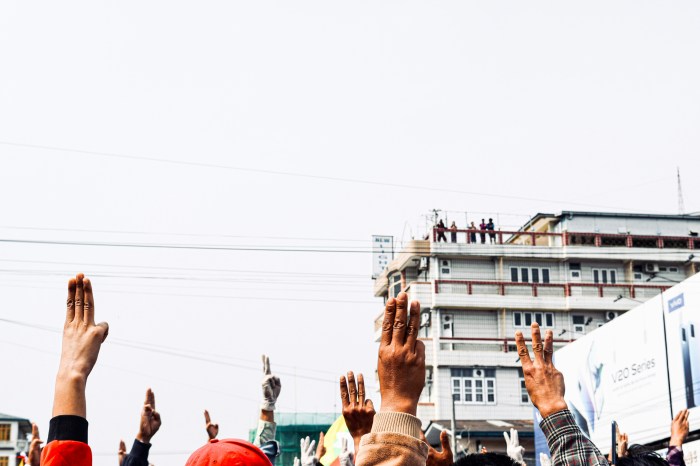
On 28 December Myanmar will begin its first general elections since its military junta seized power in a coup in February 2021. 

Of course, these elections will be neither free nor fair. They will take place against a backdrop of the continued detention of at least 22,000 political prisoners, including the country’s last freely elected leader Aung San Suu Kyi, the deregistration of numerous political parties by the military-controlled Union Election Commission (UEC), and the relentless killing of civilians. 

The outcome is guaranteed, but this can by no means be permitted to grant the regime a veneer of legitimacy on the international stage, and specifically among its neighbours in the Association of Southeast Asian Nations (ASEAN) where it seeks it most. 

Continue reading “The inevitable result of Myanmar’s sham elections must not confer any legitimacy on its military regime “

Citizenship and conflict: How the militaries of Israel and Myanmar are taking advantage of displaced persons

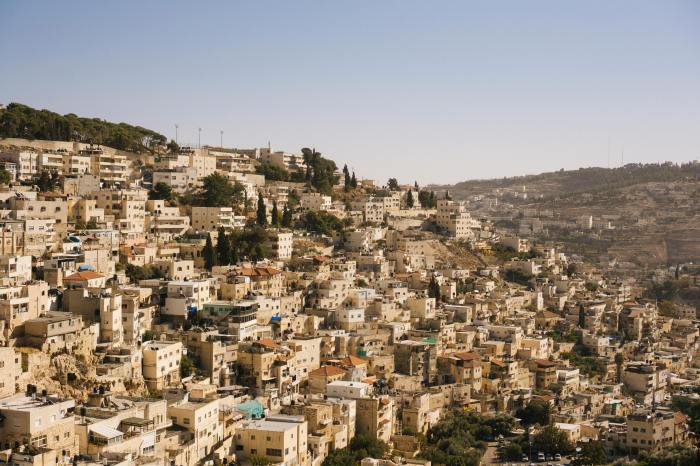
There are currently around 30,000 asylum seekers in Israel. Most have fled severe repression, including religious persecution, under a government responsible for decades of widespread crimes against humanity in Eritrea, or come from Sudan, where a gruelling 18-month conflict between the Rapid Support Forces and Sudan Armed Forces is the latest in a series of calamities to cause a severe humanitarian crisis.

Most will have travelled through Egypt before arriving there, typically with the help of people smugglers, and at great risk of assault, extortion, gender-based violence, or arrest and possible refoulement. The majority of those who complete this journey are young men, together with some young women who have likely endured unimaginable atrocities en route.

Upon their arrival, these asylum seekers find themselves in legal limbo; according to the Hotline for Refugees and Migrants, Israel’s leading refugee advocacy organisation, Israel approves less than 1% of the asylum claims it receives, with many cases pending for over five or even ten years.

Continue reading “Citizenship and conflict: How the militaries of Israel and Myanmar are taking advantage of displaced persons”
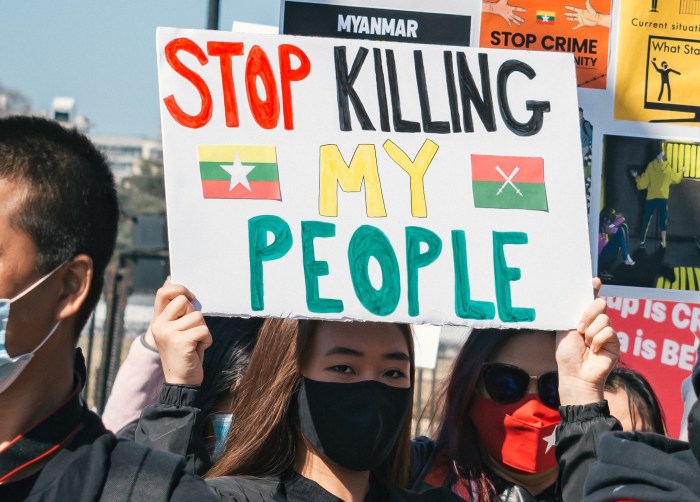
A protester holds a sign that reads 'Stop killing my people' during demonstrations against the coup in Myanmar/Burma.

In a world of crises and tragedy, we must not forget about Myanmar

By Benedict Rogers

When Myanmar (Burma)’s army reportedly killed 11 children in a helicopter attack last week, those of us who follow Myanmar heaved a sigh and shed a tear, and the rest of the world gave a shrug and averted its gaze. In a world filled with so much tragedy, the crisis in Myanmar seems to be passing so many by. For those of us watching, it was yet another bombing, yet another massacre, yet another atrocity – and dare I say it, yet another attack which has become daily news.

It’s staggering, really. Myanmar’s illegal military regime seized power in a coup just over 18 months ago, overthrowing a democratically elected government, snuffing out a decade of hoped-for liberalization, and turning the clock back by at least ten years – and yet the rest of the world shrugs its shoulders. A brutal, criminal dictatorship has locked up a Nobel Laureate – who had already spent years under house arrest and then a decade sharing power with the military in government – and the world turns its back. A junta arrests and jails a former British ambassador, Vicky Bowman, alongside an Australian academic, Sean Turnell, both of whom I know, and no one really says a word. And that regime spends months relentlessly bombing innocent civilians and the international community is silent. What is going on?

True, the world right now is full of woes. The war in Ukraine. The energy crisis. The threats to Taiwan. Protests in Iran. And many other tragedies – some in the news, others forgotten. Nigeria. Yemen. Syria. North Korea. Hong Kong. The Xinjiang Uyghur Autonomous Region. These are all desperate heartaches which sometimes gain the spotlight and yet so often remain forgotten. But Myanmar is a Ukraine in slow-motion, and yet almost no one is speaking about it.

Continue reading In a world of crises and tragedy, we must not forget about Myanmar

Central African Republic: is justice being sacrificed for the illusion of peace?

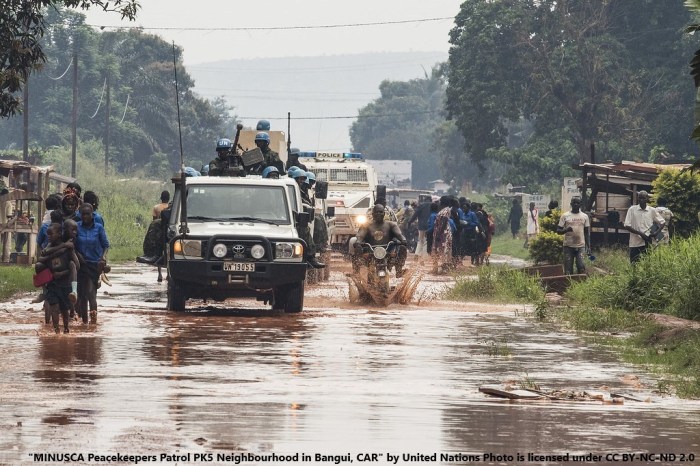
On 21 May, over 26 people were killed and dozens injured when an armed group attacked two villages in the north west of the Central African Republic (CAR). The attacks were reported by the UN peacekeeping mission in CAR, MINUSCA, which confirmed that twelve people were killed in Koundjili village and 14 in Djoumjoum village. 

Whilst reports of violent and devastating attacks on civilians in CAR are not new, these attacks represent a new challenge for the recently re-constituted government following the latest peace agreement between the government and armed groups.

The alleged perpetrator of the attacks on the two villages is the rebel group known as 3R (Return, Reclamation and Reconciliation). The group was formerly part of the Seleka alliance that took over the country following a coup in March 2013.  The alliance was subsequently disbanded, but armed groups fragmented and seized territories outside of the capital, Bangui.

Continue reading “Central African Republic: is justice being sacrificed for the illusion of peace?”

Burma’s identity crisis

The forced closure last week of three temporary Muslim prayer sites in Yangon is just the latest in a litany of abuses inflicted on Burma’s religious minorities by ultra-nationalist Buddhists. Add this to the decades-long persecution by the Burma Army of non-Burman ethnic minorities, many of whom are also non-Buddhists, and you get a nationwide cocktail of religious intolerance and conflict.

Muslims, Christians, and indeed Buddhists, who oppose the extremists are increasingly living in fear, in a country where ethno-religious nationalism has led to hate speech, intolerance, discrimination, persecution, crimes against humanity and, in one particularly egregious case, genocide.

That is the picture presented by CSW’s new report, Burma’s Identity Crisis: How ethno-religious nationalism has led to religious intolerance, crimes against humanity and genocide, published today. The report is the result of over three years’ work, involving first-hand front-line research, supplemented by information provided by CSW’s contacts in Burma and by other organisations working on these issues. It tells the human stories, it analyses the legislative framework, it assesses the international community’s response and it provides a call for action.

Continue reading “Burma’s identity crisis”