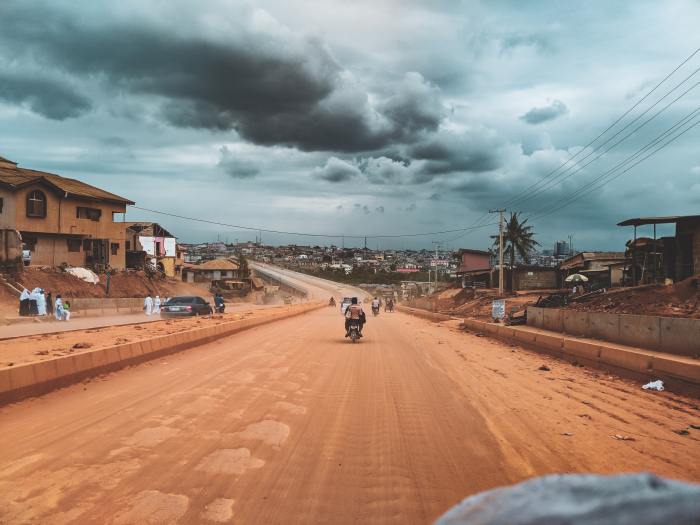
Assorted houses in Abuja, Nigeria.

“We do not sleep with our eyes closed” – how long will the international community fail the people of southern Kaduna?

“We do not sleep with our eyes closed; we take a nap, then wake up and keep watch… we are just depending on the grace of God.”

These are the words of a villager from the Maro Ward of Kajuru Local Government Area (LGA) in the southern part of Nigeria’s Kaduna state. In the absence of effective security or government assistance, this is what targeted communities across the state have been forced into: spending their days and nights on alert patrolling, living in fear of terrorists who destroy their crops, take their lives, and abduct hundreds, if not thousands, for ransom.

Kaduna has been an epicentre of violence and banditry for several years now, with attacks on non-Muslim farming communities in the south increasing exponentially with the advent of the current administration amid a general deterioration in security.

Continue reading “We do not sleep with our eyes closed” – how long will the international community fail the people of southern Kaduna?
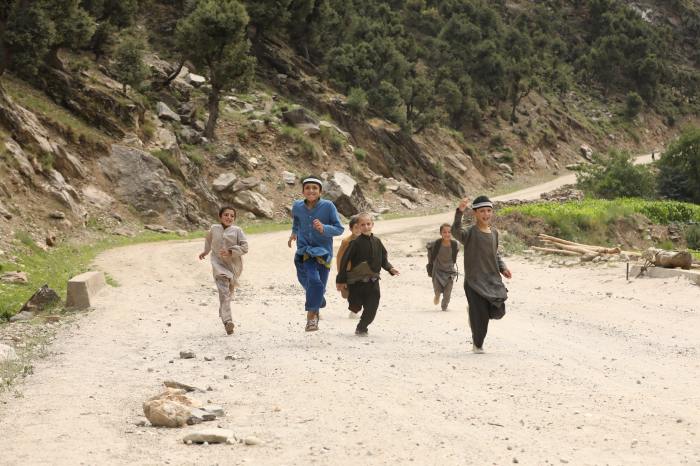
Children running on sand in Nuristan, Afghanistan.

Another terrorist attack reminds us of the Taliban’s failure to protect Afghan citizens

This piece was originally published on 14 October 2022 in Sight Magazine.

This time last year saw two shocking attacks on Afghanistan’s Shia Muslim community. First, on 8 October 2021, a suicide bomber affiliated with the Islamic State – Khorasan Province targeted a mosque in the northern city of Kunduz with an attack timed to coincide with Friday prayers which claimed at least 50 lives and injured 100 others. Some estimates placed the death toll as high as 100.

Then, exactly one week later, terrorists bombed another Shia mosque, again timed to coincide with Friday prayers, in the southern city of Kandahar. Estimates of those killed range between 47 and 65, while at least 80 others were said to have been injured.

CSW wrote at the time that the attacks “raised questions about the Taliban’s ability to offer security to citizens of Afghanistan, which they had presented as a key benefit of their rule.” And then, last month, with the anniversaries of both attacks on the horizon, the Shia community was targeted once again.

Continue reading Another terrorist attack reminds us of the Taliban’s failure to protect Afghan citizens
Police contain protesters following an outbreak of communal violence between Hindus and Muslims in Leicester, UK.

“Jai Shri Ram” on the streets of Leicester as India’s Hindu nationalism stretches beyond its borders

“Jai Shri Ram”, translating from Hindi as “hail Lord Ram” or “victory to Lord Ram”, is meant to be a harmless informal greeting, a proclamation of one’s faith and an expression of praise for a well-known Hindu deity.

Sadly, the expression has taken on far more sinister connotations in recent years. For far-right Hindu nationalists in India, who have been significantly emboldened over the past eight years under Prime Minister Narendra Modi and his ruling Bharatiya Janata Party (BJP), the slogan has been appropriated as a rallying cry for violent extremists.

CSW receives regular reports of communal violence in which the perpetrators have either chanted those three words while carrying out their attacks, or in some cases pressured their victims to declare them, forcing them to contradict their own religion or belief.

Continue reading “Jai Shri Ram” on the streets of Leicester as India’s Hindu nationalism stretches beyond its borders

A helicopter’s alleged involvement in Kaduna terrorist attacks could mean one of two things

5 June brought with it familiar agony for four villages in southern Kaduna state, Nigeria. According to local reports, attackers of Fulani ethnicity are said to have descended on the villages of Dogon Noma, Maikori, Ungwan Gamu and Ungwan Sarki at around noon, with violence continuing for approximately six hours.

In consistency with previous reports of militia attacks in the region, the assailants were reportedly grouped three to a motorcycle, with one man to drive, and two others to shoot to the right and left respectively.

At least 32 people were killed across the four villages, while an unknown number remain missing following the latest attack to specifically target the Adara people, who have suffered violence at the hands of Fulani assailants for several years now.

Continue reading “A helicopter’s alleged involvement in Kaduna terrorist attacks could mean one of two things”

Her name was Deborah Emmanuel – blasphemy accusations claim another life in Nigeria

Her name was Deborah Emmanuel – a second-year Christian student of Home Economics at the Shehu Shagari College of Education in Sokoto state, Nigeria. She should have been safe from harassment and violence at an academic institution. But she wasn’t.

On 12 May Ms Emmanuel was brutally beaten and stoned to death by a predominantly male mob who proceeded to immolate her in a pile of tyres whilst chanting “Allahu Akbar”. She was buried just two days later.

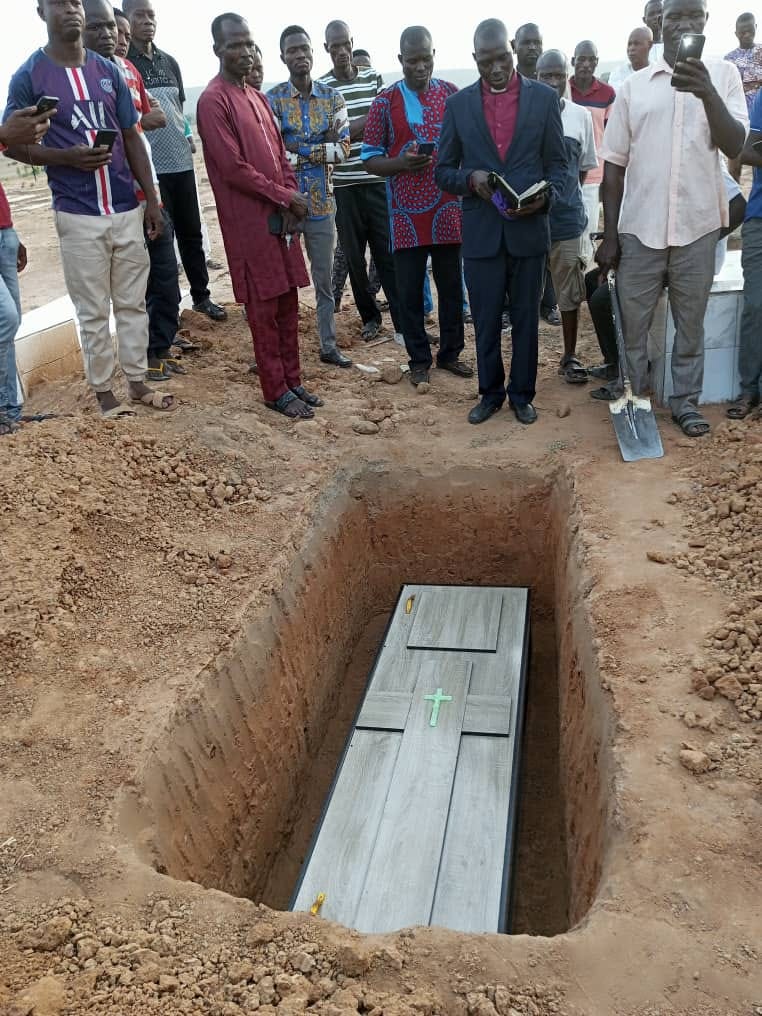
Deborah Emmanuel is buried on 14 May

Ms Emmanuel was killed after she was falsely accused of blaspheming the Prophet Mohammed in a WhatsApp group chat in which she reportedly expressed exasperation at members posting religious articles and asked them to focus on issues relevant to course work, as it was a departmental group.

Continue reading “Her name was Deborah Emmanuel – blasphemy accusations claim another life in Nigeria”