A protester holds a sign that reads 'Woman Life Freedom' during demonstrations following the following the death of Iranian woman Zhina ‘Mahsa’ Amini.

‘Woman, Life, Freedom’ – Iran faces a crisis with freedom of religion or belief and gender equality at its core

Iran is enduring its most turbulent period since the 2019-2020 pro-democracy protests, with gender equality and a lack of freedom of religion or belief at its very core. 

Since September 2022 distressing news reports have been emerging of violence meted out on Iranian citizens protesting for change – the arbitrary application of the death penalty, extrajudicial killings (including of minors),  maiming, excessive sentencing, and the suspicious deaths of several protestors after being released from detention, to highlight a few.

In the face of these violations an initially slow and largely reactive international response accelerated, and a special session of the UN Human Rights Council in November 2022 which established an independent, international fact-finding mission to investigate alleged human rights violations related to the protests, was followed by Iran’s expulsion from the UN Commission on the Status of Women in December 2022. Then in January 2023 the United States, the United Kingdom and the European Union announced sanctions on 10 additional Iranian individuals and one additional Iranian entity.

Continue reading “‘Woman, Life, Freedom’ – Iran faces a crisis with freedom of religion or belief and gender equality at its core”
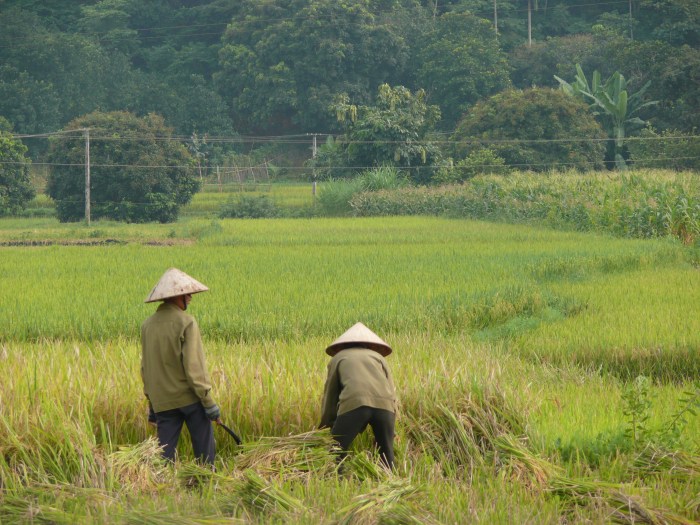
Farmers in Vietnam.

Una brecha entre la política y la práctica: en Vietnam, muchas comunidades indígenas tienen prohibido usar su propio idioma

“Tuvimos una celebración navideña con pancartas en diferentes idiomas como Jarai y Ede. A las autoridades no les gustó, así que nos prohibieron usar las pancartas en nuestros idiomas”.

Cristiano de un grupo indígena en Vietnam

El artículo 5 de la constitución de Vietnam establece que “cada grupo étnico tiene derecho a usar su propio idioma y sistema de escritura, para preservar su identidad nacional y promover sus buenas costumbres, hábitos, tradiciones y cultura”.

Y el Pacto Internacional de Derechos Civiles y Políticos, del que Vietnam es parte, establece que a las personas pertenecientes a grupos minoritarios no se les negará el derecho, en conjunto con los demás miembros de su grupo, a disfrutar de su propia cultura, a profesar y practicar su propia religión, o utilizar su propio idioma».

Continue reading “Una brecha entre la política y la práctica: en Vietnam, muchas comunidades indígenas tienen prohibido usar su propio idioma”