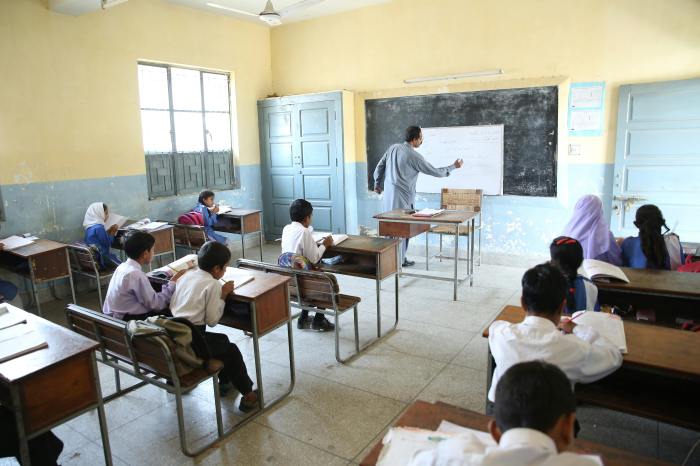
How the education system perpetuates religious intolerance in Pakistan, and how it could be a route to change 

‘No one is born hating another person because of the colour of his skin, or his background, or his religion. People must learn to hate.’ 

These oft-quoted words of Nelson Mandela have proven all too true in far too many contexts throughout human history, as indeed they do in a very literal sense in Pakistan today. 

While hatred can be ‘learned’ in many ways – from one’s family, or cultural background, or even from negative experiences with the object of said hatred – in Pakistan the teaching of hatred, specifically religious intolerance, is embedded in various forms into the very fibre of the country’s education system. 

Continue reading “How the education system perpetuates religious intolerance in Pakistan, and how it could be a route to change “

Pakistan must be made to end its decades-long tolerance and encouragement of the violent persecution of the Ahmadiyya community 

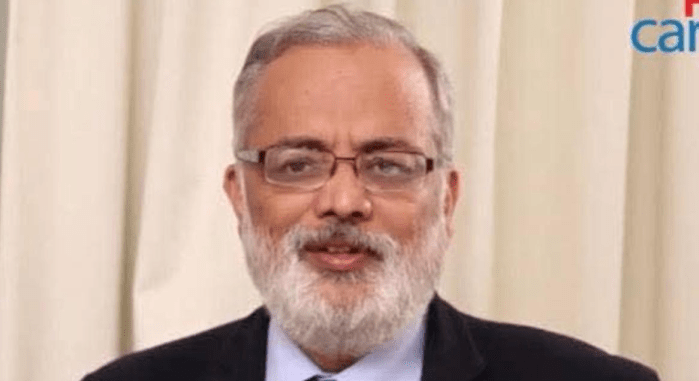
At 2.30pm on 16 May, Dr Sheikh Mahmood arrived at Fatima Hospital in Sargodha, Punjab Province, Pakistan and proceeded to attend to his patients as per his routine. A highly respected gastroenterologist and hepatologist, Dr Mahmood was widely known for his dedication, professional excellence and compassionate nature.  

But on this day – as he walked through the corridor of the hospital that he had worked in for the past seven years – an unidentified gunman opened fire on him from behind before fleeing the scene while openly brandishing a pistol. He sustained two gunshot wounds and was immediately transferred to Civil Hospital Sargodha, where he succumbed to his injuries. He leaves behind a mother, wife, two daughters and two sons. 

Dr Mahmood, 58, had no known personal enmities and Sargodha police have yet to confirm the motive behind the killing, however recent developments in Pakistan give much and highly-concerning reason to believe that he was likely targeted because of his faith – that is, because he was an Ahmadi Muslim.

Continue reading “Pakistan must be made to end its decades-long tolerance and encouragement of the violent persecution of the Ahmadiyya community “

Why don’t they just come here legally?

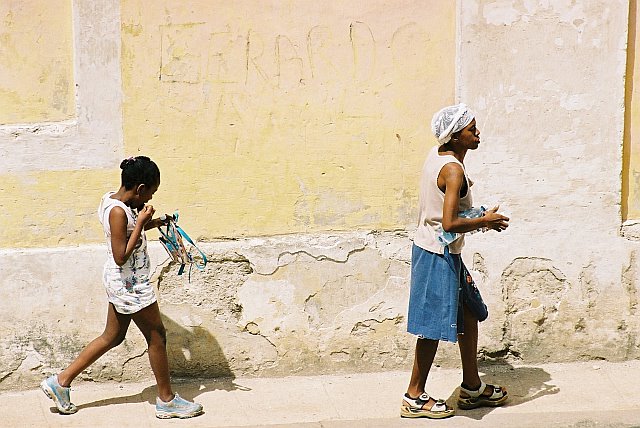
They are called illegals, migrants, aliens, refugees, immigrants, asylum seekers, invaders, displaced – each word carrying with it a subtext of who they are, what they want, and where they fit. They have been accused of bringing disease, ‘poisoning the blood’ of a nation, participating in a massive invasion that aims to bring about violent anarchy, and even eating people’s beloved pets. In this discourse each of ‘them’ rarely has a face, a name, and much less their own story (unless they do something terrible that pushes their name and face into the headlines).

The question ‘Why don’t they just come here legally?’ is asked over and over. Again, there is a subtext to that question – an implication that if ‘they’ were good people, they would seek out and follow the rules. The question also assumes that there are legal, and presumably safe, channels for those in genuine distress to request and receive asylum in a safe country, as allowed for under international law, primarily under the UN Refugee Convention. However, the reality is that even those countries that recognise and uphold the Refugee Convention, (and there are many which do not), maintain byzantine systems, set up to make it as difficult as possible for someone, especially an asylum seeker, to petition for and be granted the right to start a new life in a safe country.

The vast majority of those ‘safe’ countries require visas for individuals traveling there from much of the world. The quickest way to ensure that a visa is denied, is to respond truthfully – that the motive for travelling is to request asylum upon arrival – and when a visa is denied on those grounds, the individual is almost always put on a blacklist for future requests.

Continue reading “Why don’t they just come here legally?”

‘More that unites us’: Bridging the border between Indians, Pakistanis, Hindus and Muslims

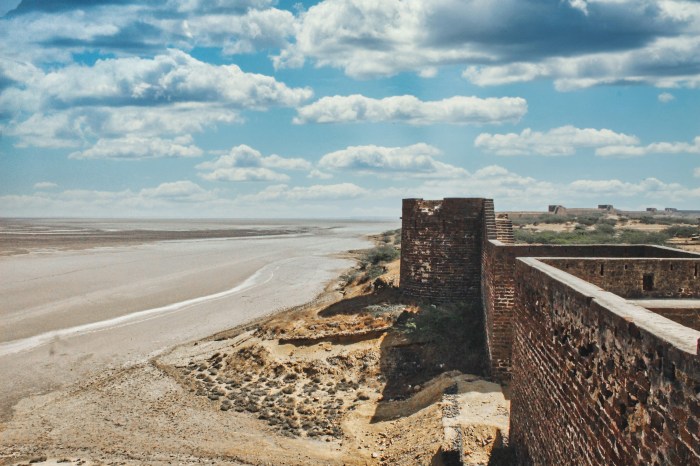
This month marked 77 years since one of the world’s most violent religious conflicts: the partition of India and Pakistan, which claimed more than a million Hindu and Muslim lives and displaced over 15 million people. A people that once lived together were now forced to choose sides. Families were torn apart.  The bloodshed didn’t end there and neither did the hatred, as the countries fought several more wars in the years to come. 

On either side of the border, my generation grew up hearing the worst of each other. Most of the narratives we read in newspapers or watched in the cinema portrayed the other in bad light. The enmity and hatred was and continues to be so deep rooted that it affects religious groups in both nations. 

I cannot count the number of times I have heard an Indian Muslim being called a Pakistani in a derogatory tone. Ever since the Bharatiya Janata Party (BJP) first came to power in 2014, these slurs have only become more frequent and toxic.

Continue reading “‘More that unites us’: Bridging the border between Indians, Pakistanis, Hindus and Muslims”

Ten long years: Reflections on the Supreme Court ruling that promised much for Pakistan’s religious minorities

On 19 June 2014, the Supreme Court of Pakistan, under the leadership of the then Chief Justice Tassaduq Hussain Jillani, made a historic ruling that significantly advanced the protection and promotion of the rights of religious minorities in the country. This judgment was a pivotal moment in the country’s legal and human rights history, reflecting a commitment to upholding the principles of equality and non-discrimination enshrined within the Constitution of Pakistan.

Since its inception, Pakistan has grappled with issues surrounding the rights and protection of religious minorities. Despite the vision of its founding father, Muhammad Ali Jinnah, who advocated for a secular and inclusive Pakistan, the reality for religious minorities has often been marred by persecution, discrimination, violence, and marginalisation. Incidents of blasphemy accusations, mob attacks, forced conversions, desecration of places of worship, and targeted violence have highlighted the urgent need for robust legal safeguards and proactive measures.

The 2014 judgment stemmed from a Suo motu notice taken by the Supreme Court following the Peshawar church bombing in September 2013, which resulted in the tragic loss of over 80 lives. This incident underscored the vulnerability of religious minorities and the need for the state to ensure their protection.

Continue reading “Ten long years: Reflections on the Supreme Court ruling that promised much for Pakistan’s religious minorities”