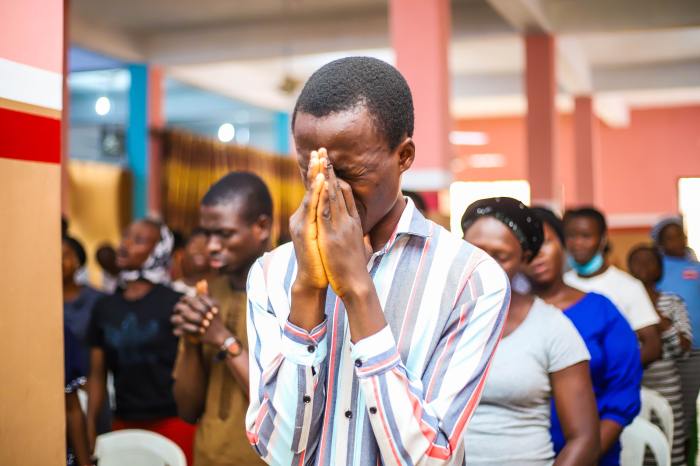
A man prays in a church in Ogbomosho, Nigeria.

Nigeria’s Muslim-Muslim ticket has implications for national cohesion

Nigeria’s ruling All Party Congress (APC’s) decision to do away with traditional convention and opt for a same faith ticket, which would result in a same faith presidency, feeds into a religious exclusivism that is inconsistent with the healing balm that a major political party such as the APC – or any other party – should be deploying at this crucial stage of the country’s political development, when instability and insecurity are at such unprecedented levels.

The nation is heavily fragmented along tribal and religious lines, among others. Therefore, political leaders from all parties ought to be advocates of unity through inclusivity, as a reflection of the country’s diversity.

This diversity holds many advantages for the strengthening mutual understanding, oneness, ensuring social cohesion, and fostering sustainable development, when handled correctly. Unfortunately, the APC’s decision to adopt a Muslim-Muslim ticket runs the risk of undermining the remaining gains of harmonious coexistence that the country has been battling to entrench.

Continue reading “Nigeria’s Muslim-Muslim ticket has implications for national cohesion”
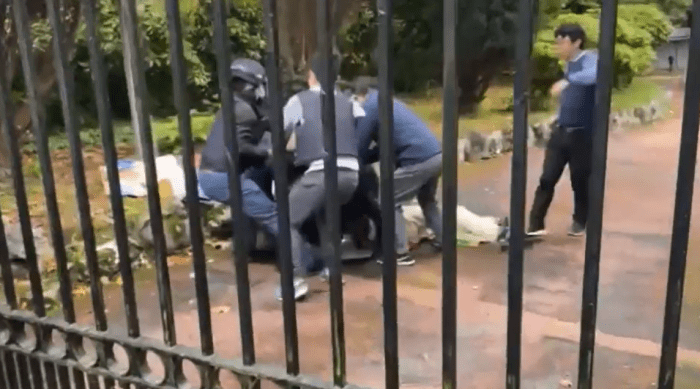
Bob Chan is beaten inside the grounds of the Chinese consulate in Manchester, UK.

As China, Eritrea, Iran and more extend repression beyond their own borders, we must do better

In November last year, Ken McCallum, the Director General of the UK’s Security Service known as MI5, claimed that his agency had identified “at least ten” potential threats to kidnap or even kill British or UK-based individuals perceived as enemies of the Iranian regime. He added that the Iranian intelligence services “are prepared to take reckless action” against opponents in the West, including by luring individuals to Iran.

Coming at a time of intense civil unrest in Iran following the death in police custody of 22-year-old Mahsa Amini, who was arrested for incorrectly wearing her hijab, McCallum’s comments highlighted a concerning issue that applies to several of the countries CSW works on: repressive regimes are becoming increasingly unafraid to reach beyond their borders.

China

Perhaps one of the most obvious examples is China, a global superpower which regularly uses its economic and geopolitical influence to shape decisions in international fora such as the Human Rights Council, and routinely metes out sanctions against Western parliamentarians and others who openly condemn the widespread violations taking place in the country.

Continue reading “As China, Eritrea, Iran and more extend repression beyond their own borders, we must do better”
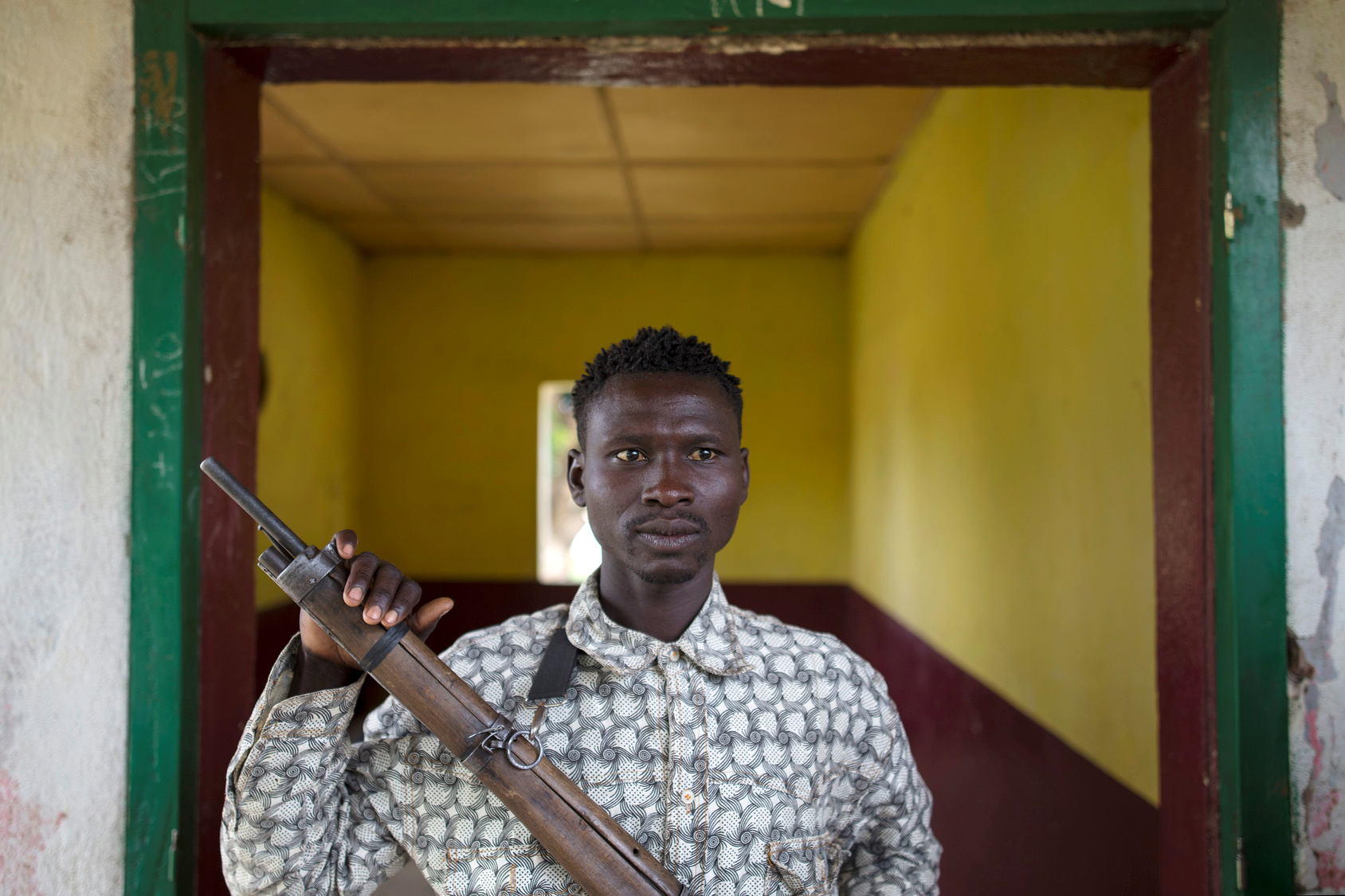
A member of the Anti-Balaka armed militia poses as he displays his weapon in the town of Bocaranga Central African Republic.

Justice at last in the Central African Republic, but the government’s work is not finished yet

In late October the internationally-backed Special Criminal Court in the Central African Republic (CAR) released a verdict in the chamber’s first full trial. The case was brought against three leaders of the armed group Retour, Réclamation et Réhabilitation (3R), who were found guilty of war crimes and crimes against humanity.

Issa Sallet Adoum (alias Bozizé) was sentenced to life imprisonment, and his co-defendants, Mahamat Tahir and Yaouba Ousman, each received 20-year prison sentences.

All three were accused of orchestrating attacks on the northwestern villages of Koundjili and Lomouna on 21 May 2019 in which at least 46 unarmed civilians were killed and dozens more were injured. The men are said to have targeted civilian populations that did not support 3R, tying up and shooting civilians before proceeding to subject women and girls in the villages to mass rape and sexual violence.

Continue reading “Justice at last in the Central African Republic, but the government’s work is not finished yet”
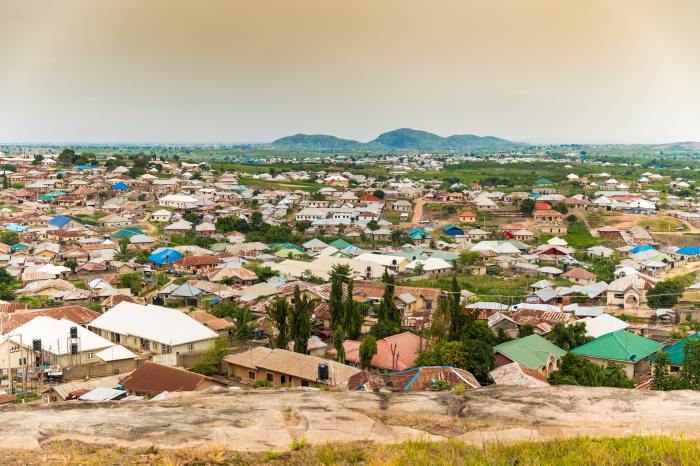
Assorted houses in Abuja, Nigeria.

“We do not sleep with our eyes closed” – how long will the international community fail the people of southern Kaduna?

“We do not sleep with our eyes closed; we take a nap, then wake up and keep watch… we are just depending on the grace of God.”

These are the words of a villager from the Maro Ward of Kajuru Local Government Area (LGA) in the southern part of Nigeria’s Kaduna state. In the absence of effective security or government assistance, this is what targeted communities across the state have been forced into: spending their days and nights on alert patrolling, living in fear of terrorists who destroy their crops, take their lives, and abduct hundreds, if not thousands, for ransom.

Kaduna has been an epicentre of violence and banditry for several years now, with attacks on non-Muslim farming communities in the south increasing exponentially with the advent of the current administration amid a general deterioration in security.

Continue reading “We do not sleep with our eyes closed” – how long will the international community fail the people of southern Kaduna?
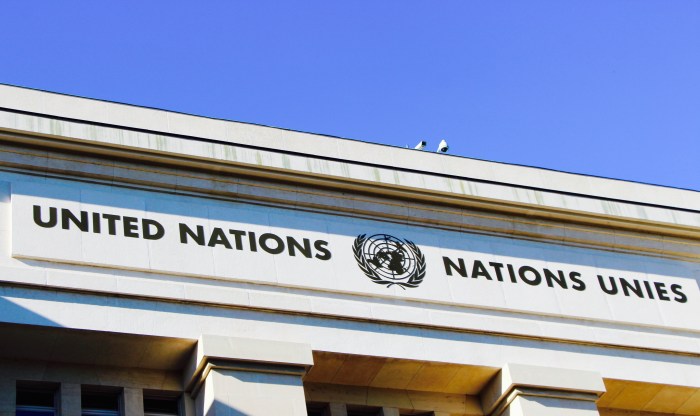
A United Nations building in Geneva, Switzerland.

Disappointments at the UN, but we must not let the challenges obscure the good that it can achieve

Earlier this month, the UN General Assembly (UNGA) voted to elect 14 new members to the Human Rights Council (HRC) to serve from 2023 to 2025. Among those elected were Sudan and Vietnam. The former was selected in a clean slate election, meaning that the number of candidates equaled the number of seats available, while the latter defeated Afghanistan and the Republic of Korea (South Korea). 

The election of both of these states is deeply disappointing.  

Sudan is currently led by a military leader who seized power illegally from the civilian-led transitional government in an October 2021 coup, and where the past year has been characterized by the killing and brutalising of peaceful protesters, and attempts to reverse the limited human rights gains made under the transitional government, including in relation to the right to freedom of religion or belief (FoRB). 

The Vietnamese Communist Party (VCP) has led the northern part of Vietnam since 1954, and took control of the rest of the country in 1975, following the collapse of the South Vietnamese government. During that time, the VCP has repeatedly violated human rights, including FoRB and land rights, whilst routinely targeting those who request or advocate for such rights with harassment, arbitrary detention, imprisonment, physical violence and even torture

Continue reading “Disappointments at the UN, but we must not let the challenges obscure the good that it can achieve”