‘I fear they will normalise this’ – Restrictions combine to make life even more difficult for religion and belief groups in China

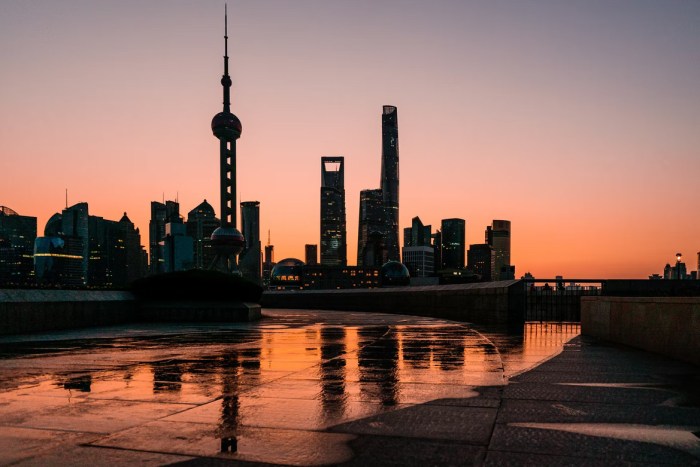
The COVID-19 pandemic has had profound effects on the functions of nearly every religion or belief group in every country in the world over the past two years. While many have now emerged from lockdowns and measures imposed to curb the spread of the virus are being lifted in most countries, arguably some of the strictest restrictions remain in the country where the virus was first detected: China.

Since December 2021, China has been wrestling with the spread of the omicron variant, with many cities, including Beijing, Shanghai, Tianjin and Xi’an, having been placed under lockdowns at various points over the past six months. Even as lockdowns have been lifted in some places, they remain in effect in others, and there is no telling from one week to the next whether more severe measures will be enforced in any one place.

Meanwhile, for religious groups in these and other cities remaining restrictions designed to limit the spread of the virus have combined with new regulations on online religious activities to make everything from online meetings to day-to-day communication extremely difficult.

Continue reading “‘I fear they will normalise this’ – Restrictions combine to make life even more difficult for religion and belief groups in China”
Her name was Deborah Emmanuel – blasphemy accusations claim another life in Nigeria

Her name was Deborah Emmanuel – a second-year Christian student of Home Economics at the Shehu Shagari College of Education in Sokoto state, Nigeria. She should have been safe from harassment and violence at an academic institution. But she wasn’t.

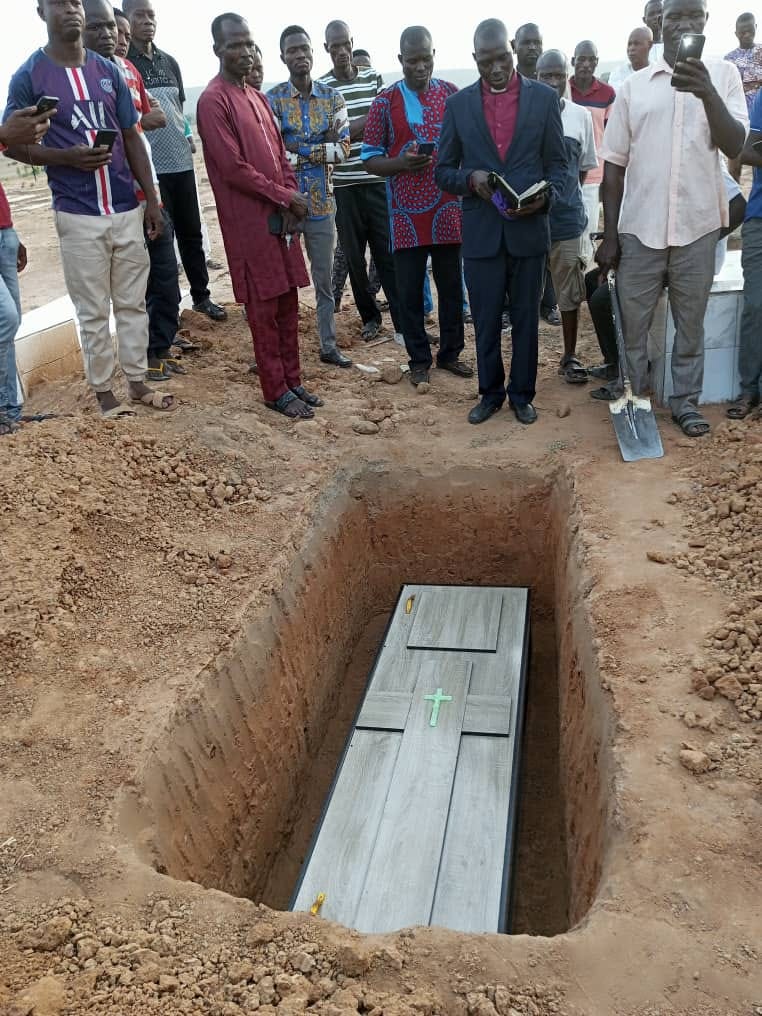
On 12 May Ms Emmanuel was brutally beaten and stoned to death by a predominantly male mob who proceeded to immolate her in a pile of tyres whilst chanting “Allahu Akbar”. She was buried just two days later.

Deborah Emmanuel is buried on 14 May

Ms Emmanuel was killed after she was falsely accused of blaspheming the Prophet Mohammed in a WhatsApp group chat in which she reportedly expressed exasperation at members posting religious articles and asked them to focus on issues relevant to course work, as it was a departmental group.

Continue reading “Her name was Deborah Emmanuel – blasphemy accusations claim another life in Nigeria”

Cuban Zersetzung: The disruptive Stasi tactics employed by the Cuban government to disintegrate church life in Cuba

The Ministerium für Staatsicherheit, more commonly known as the Stasi, was the official state security service of the German Democratic Republic (GDR), one of the most repressive and well-known secret police agencies in history.

From its foundation in February 1950, to the fall of the Berlin wall in November 1989, the Stasi created a vast intelligence network, gathering information and targeting individuals and groups in every sphere of life with ruthless and insidious efficiency.

The Stasi employed several staple techniques in their attacks against individuals and communities. Persistent questioning, the spreading of slanderous information, repeated arrests, physical attacks and the targeting of family and friends as leverage were all commonplace. These techniques formed the basis of Zersetzung, a mission with the objective of disrupting or ‘disintegrating’ the structure and work of groups and the lives of individuals.

Continue reading “Cuban Zersetzung: The disruptive Stasi tactics employed by the Cuban government to disintegrate church life in Cuba”

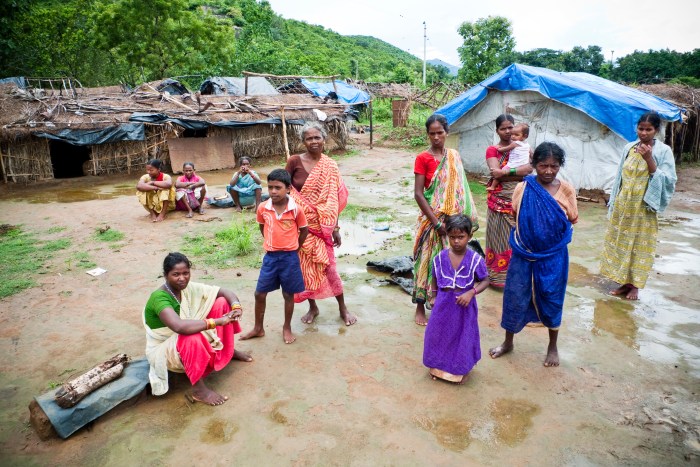
Attacked, harassed and ostracised: Christians in India continue to suffer as the country slides further still into ethno-religious nationalism

Last week, the Religious Liberty Commission of the Evangelical Fellowship of India (EFI) released its annual report on Hate and Targeted Violence against Christians in India in 2021. It documented 505 individual incidents of violence across the country in 2021, including three murders, as well as other forms of harassment against Christians including disruption to worship services, social boycott and ostracisation, and forced conversion to Hinduism.

The report states: “No denomination – whether organized or a lonely independent worshipping family or neighborhood group – none has been spared targeted violence and intense, chilling hate, the worst seen since the general election campaign of 2014. The year 2021 saw calls for genocide and threats of mass violence made from public platforms, and important political and religious figures on the stage.”

Reverend Vijayesh Lal, General Secretary of the EFI, spoke to CSW about various issues facing Christians in the country today:

Continue reading “Attacked, harassed and ostracised: Christians in India continue to suffer as the country slides further still into ethno-religious nationalism”

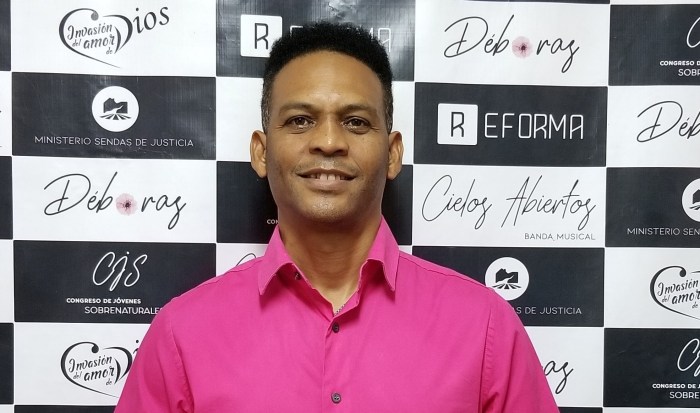
‘The Church was left without a place to worship’ – The story of Alain Toledano Valiente

‘We were evicted for the first time in 2007. The government came into our house [and] threw us out into the street – they took everything from us and threw it into the street. We were left homeless. At the same time, the government demolished our place of worship, Emanuel Church. They destroyed the floor and took it away. They left everything in ruins. They confiscated our land. This was the first violation of that scale. They demolished everything and took everything from us, our family possessions, music and audio equipment. Everything the church had was seized, all our technology was taken away. The church was left without land, its property and possessions, without a place to worship and we were left homeless in the street.’

Pastor Alain Toledano Valiente in an interview with CSW, September 2020

Less than ten years later, Emanuel Church in Santiago de Cuba was subjected to a second major attack. At 5am on Friday 5 February 2016, military, state security and police officers surrounded the property where the church was located and where the Toledano family was living. Pastor Toledano was abroad at the time, but his wife was taken into custody by government authorities and held incommunicado for the duration of the demolition from 5am to 7pm. Around 40 church members were also detained, and the church and home were demolished.

These incidents – the demolitions of November 2007 and February 2016 – are two dark threads in a disturbing tapestry of the Cuban authorities’ violations against Pastor Toledano, spanning over two decades. More than six years after that second major church demolition, attacks against Pastor Toledano, his church, and their right to a place of worship continue to escalate. 

Continue reading “‘The Church was left without a place to worship’ – The story of Alain Toledano Valiente”