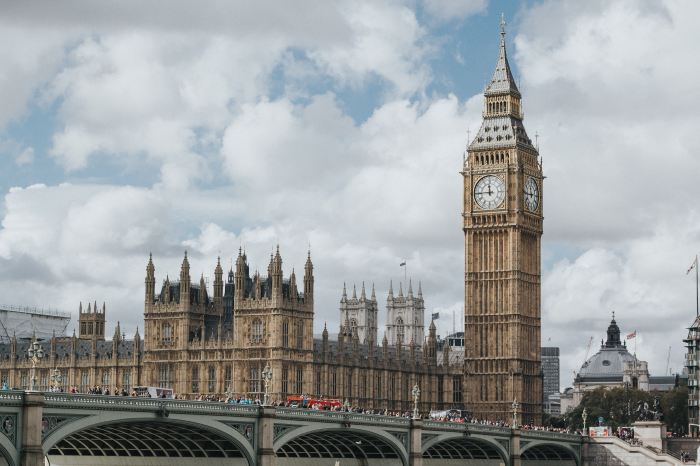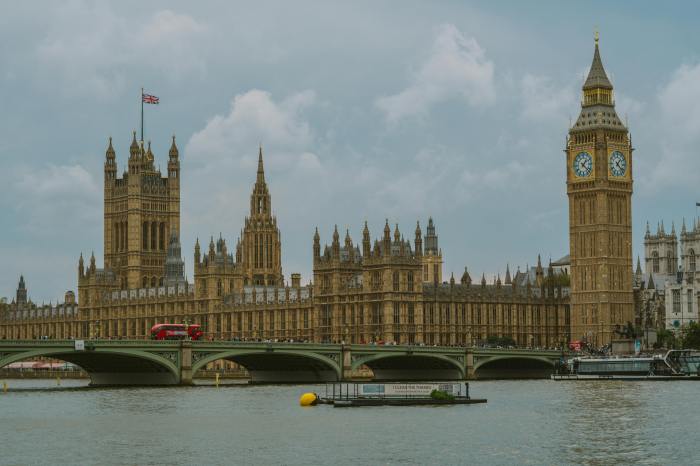
How the new Labour government can craft a robust foreign policy with FoRB at its core

In many situations around the world, issues involving religion or belief either create or worsen instability, destabilising international peace and security. Despite this, there is no overarching consensus on practical steps to enhance the promotion and protection of freedom of religion or belief (FoRB) within a broader foreign policy framework.

A robust UK foreign policy that integrates FoRB would necessitate a multifaceted approach, strategically weaving FoRB into various aspects of international engagement. Such a policy would not only cement the UK’s commitment to human rights but also enhance its global influence by promoting peace, stability, and mutual respect among nations. Here is a comprehensive outline of what this foreign policy could look like:

1. Diplomatic Engagement

Special Envoy for FoRB: Establish a ministerial-level Special Envoy for FoRB to advocate for FoRB globally. This envoy would engage with international organisations, foreign governments, and civil society to address FoRB violations and promote interfaith engagement. In particular, the envoy would continue the UK’s admirable contributions to the International Religious Freedom or Belief Alliance (IRFBA).

Continue reading “How the new Labour government can craft a robust foreign policy with FoRB at its core”
Freedom of religion or belief and the UK general election: what do the manifestos say?

Around the world, hundreds of thousands of people face discrimination, marginalisation, harassment, intimidation, violence and even persecution for their religion or belief.  At the same time, in the policy circles of many countries, freedom of religion or belief (FoRB) is increasingly gaining prominence and being recognised as inextricably connected with wider human rights initiatives.

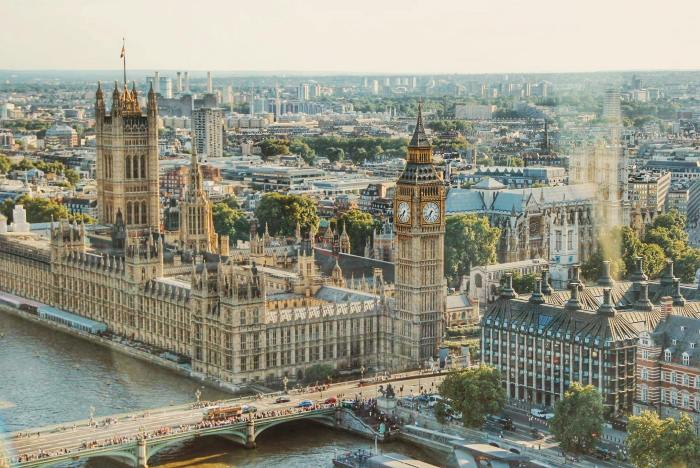
As the political parties in the UK release their manifestos for the July 2024 General Election, it is essential they take into account the current status of FoRB in the foreign policy landscape. This is a tricky landscape to navigate.

Foreign policy is not typically a hot electoral issue, and of course much depends on the internal and external political situations, among other considerations. Yet it is essential for parties to formulate a position on effectiveness in this field, for both ethical and practical reasons. The former lies in the responsibility of a modern democracy to have a principled approach to the world; the ethical responsibility inherent in working for the welfare of others who are less fortunate. The latter dictates that international relations and trade are best conducted with partners who respect human rights and are intolerant of any kind of inhumanity.

Continue reading “Freedom of religion or belief and the UK general election: what do the manifestos say?”

Hong Kong Protests 2: An interview with a Chinese human rights advocate

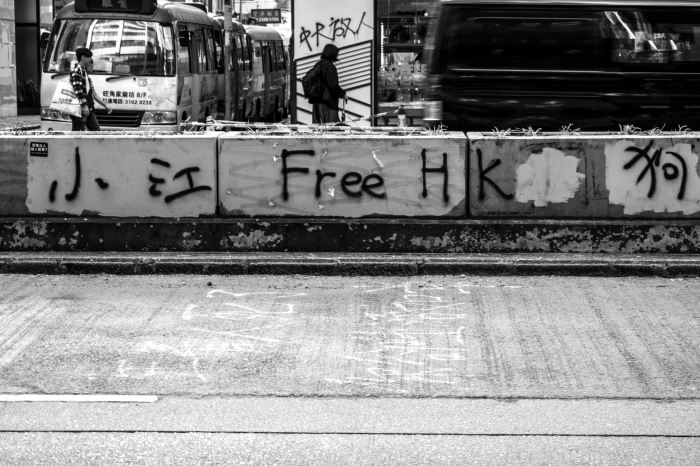
Since June 2019, Hong Kong has seen unprecedented protests in which millions of citizens have taken to the streets calling for democracy and respect for human rights. Despite a repressive and violent government response, demonstrations remain ongoing seven months later.

CSW recently spoke to a Chinese human rights advocate, who shared his views on the current situation and what may lie ahead for Hong Kong.

The protests began in response to a proposed extradition bill. Now that the bill has been officially withdrawn, why are people still protesting?

The withdrawal of the extradition bill is just one of the Hong Kong protesters’ five demands, so the protests continue. They also want to be able to vote for their own leader, and for there to be an independent investigation committee to look into violations by the police. These things are also very important to the protesters, so just withdrawing the law couldn’t satisfy the public.

Continue reading “Hong Kong Protests 2: An interview with a Chinese human rights advocate”

Whoever wins the general election must continue the UK’s proud tradition of standing up for human rights

As Britain’s political parties prepare for the upcoming general election, trade, particularly in the aftermath of Brexit, will be one of several key issues on the agenda. However, it is vital that whoever is tasked with forming a government does not side-line human rights in favour of trade.

Commitments to the promotion of internationally recognised human rights, including the right to freedom of religion or belief (FoRB) were made as the UK sought re-election to the UN Human Rights Council (HRC) in 2016. The UK is due to step down from the HRC at the end of 2019, but bilateral negotiations with states around the world post-Brexit will continue to present valuable opportunities for the UK to play a leading role in the promotion of FoRB and other human rights at a global level.

During the process of leaving the European Union (EU), the UK will seek to establish new trading relationships with countries around the world, and it is imperative that the elected government does not shy away from open and frank discussion about safeguarding human rights. 

Continue reading “Whoever wins the general election must continue the UK’s proud tradition of standing up for human rights”

The promise of an inclusive India?

As Narendra Modi’s Bharatiya Janata Party (BJP) starts its second innings in government after one of the most bitter, vicious and polarising election campaigns India has witnessed, he has been speaking of an aspirational and inclusive India.

The BJP-led coalition National Democratic Alliance (NDA) secured 350 seats of the 542 seats in the Lok Shaba (parliamentary) elections, with their majority growing from 25% in 2009 to 45% in 2019. Given the BJP’s Hindu nationalist agenda, this success gives rise to concerns that BJP-controlled areas may be subject to increased FoRB violations.

With exceptions in the south, for example in Andhra Pradesh, Kerala, Tamil Nadu and the Union Territory of Puducherry, the BJP made fresh progress in West Bengal and Odhisa, and continued to tighten its grip on existing stronghold states like Madhya Pradesh, Rajasthan, Gujarat, Haryana, Uttar Pradesh and Chhattisgarh.  Despite the Southern states remaining largely free from the BJP, FoRB monitoring in the South will need to be stepped up, particularly with the party’s win in West Bengal and Odhisa, states that have recorded a rise in FoRB violations.  

Continue reading “The promise of an inclusive India?”