India’s ‘freedom of religion’ laws have nothing to do with preventing forced conversions

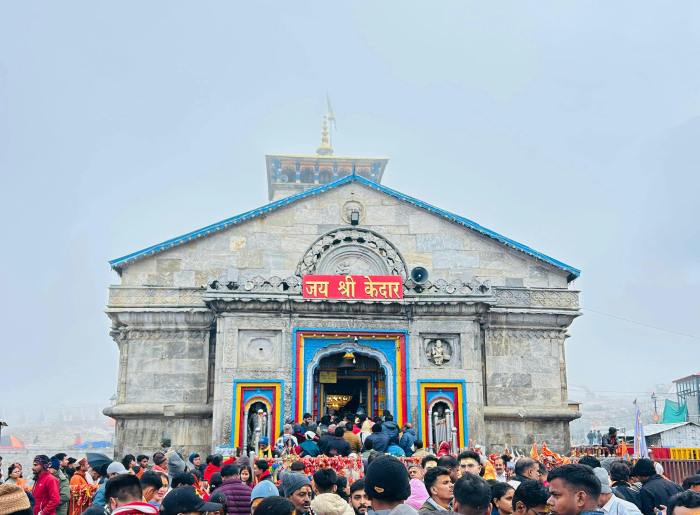
On 20 August India’s Uttarakhand state government introduced significant amendments to its controversial anti-conversion law. Building on the original 2018 legislation and an initial round of amendments made in 2022, the Freedom of Religion and Prohibition of Unlawful Conversion (Amendment) Bill, 2025, imposes harsher punishments on a range of offences.

Individuals convicted of using allurement, misrepresentation or fraud to induce conversion now face anywhere from three to ten years in prison and a minimum fine of 50,000 rupees (approximately GBP £420). If the case involves a minor, a woman, a person with a disability, or a member of a Scheduled Caste or Scheduled Tribe, these penalties are increased to five to 14 years in prison and a fine of at least 100,000 rupees (GBP £840).

‘Mass conversions’ and those involving foreign funding are punishable with seven to 14 years imprisonment and a minimum fine of 100,000 rupees, while punishments for cases involving threats, assault, human trafficking, or marriage as a pretext for conversion can extend to 20 years or life imprisonment, along with fines covering the victim’s medical and rehabilitation costs.

Continue reading “India’s ‘freedom of religion’ laws have nothing to do with preventing forced conversions”
‘This should never have happened to her’ – the story of Arzoo Raja

Pakistani weddings are extravagant affairs. Guestlists are filled with hundreds of names of relatives and friends. People come from various cities and even abroad for colourful celebrations filled with music and dancing. Often, brides’ homes are so packed with relatives that there is hardly room to move.

About a month or so before the wedding, smaller events take place at the homes of both the bride and groom. Friends and family begin to choreograph wedding dances and wedding songs to the rhythm of the dholak, a two headed hand drum.

A few days prior to the wedding, the Mayun takes place. This marks the start of the husband and wife-to-be being separated from each other until the day of the wedding, with brides beautifying themselves by refraining from wearing anything on their faces and undergoing herbal skin treatments to improve their complexion.

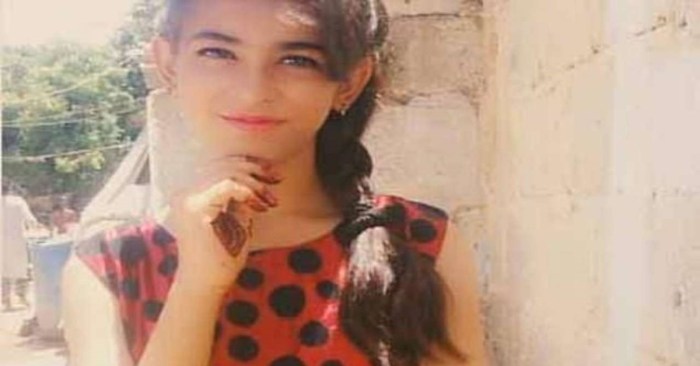
None of this occurred in the case of Arzoo Raja. In fact, this young Christian’s so-called ‘marriage’ is essentially a crime, because Arzoo was abducted on 13 October 2020 from the street outside her home in Karachi Railway Colony, Sindh Province, and forced to convert and to ‘marry’ a man more than twice her age. Under the Sindh Child Marriage Restraint Act, the legal age for marriage is 18, and being a child of 13, she was in no position to consent or escape.

Continue reading “‘This should never have happened to her’ – the story of Arzoo Raja”

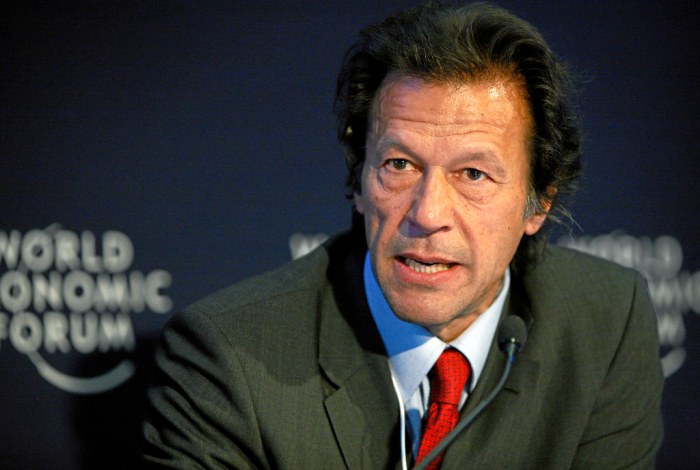
Imran Khan: Defender of Islam or political opportunist?

On 17 September 2021, less than a month after seizing control of the country, the Taliban effectively banned girls from secondary schools in Afghanistan after they ordered schools to resume classes for boys only.

The move marked a realisation of fears that had been raised ever since the Taliban regained power, and was met with widespread and routine international condemnation from countries and human rights organisations alike. One of the more surprising critics however was Pakistani Prime Minister Imran Khan, who told the BBC that preventing women from accessing education would be ‘un-Islamic’.

The reason for such surprise is that while Prime Minister Khan has expressed somewhat mixed feelings regarding the Taliban’s takeover of Afghanistan, he has encouraged the international community, and particularly the United States, to recognise their authority. In addition, his own government has entered into talks with the organisation, and Khan himself has pledged to ‘forgive’ members of the group if reconciliation is achieved.

Developments such as these already start to make Khan’s criticisms of the Taliban ring hollow, but they are made even more interesting when considered in conjunction with his own rhetoric regarding what is and isn’t un-Islamic in his own country.

Continue reading “Imran Khan: Defender of Islam or political opportunist?”

#FREELEAH

A guest blog by the Rt Hon Dame Caroline Spelman MP. 

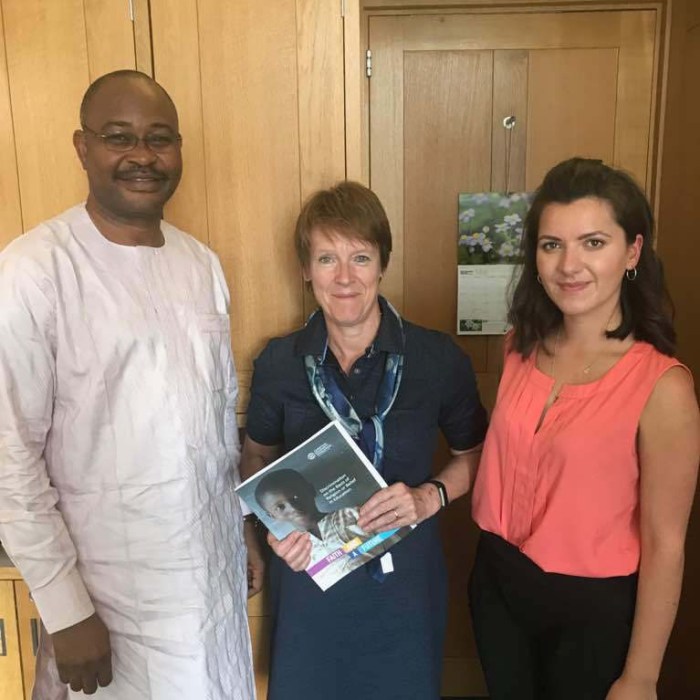
The Rt Hon Dame Caroline Spelman MP is Conservative Member of Parliament for Meriden and Second Church Estates Commissioner. In May 2018 she met with Rev Yunusa Nmadu, CEO of CSW Nigeria and CSW UK’s Parliamentary Officer, Alice Braybrook to discuss freedom of religion or belief in Nigeria.

Today is the 15th birthday of Leah Sharibu. But, unlike most young girls around the world, she will be spending her birthday in captivity.

On 19 February 2018, Leah was among 110 girls who were abducted from the Government Girls Science and Technical College in Dapchi, north eastern Nigeria, by the al-Barnawi faction of Boko Haram. The oldest abductees were 18 years of age; the youngest were 11.

On 21 March 2018, over a month after their capture, Boko Haram returned 105 of the girls to Dapchi, following negotiations with the government. Five had reportedly died during the arduous journey to Boko Haram’s hideout.

However, returnees confirmed that Leah Sharibu, the sole Christian among them, remained in captivity due to her refusal to convert and wear a hijab. Her friends said they begged her to feign conversion so they could all leave together.  However, a tearful Leah is reported to have informed them she could not live with herself if she did so. She also asked them to tell her mother, Rebecca Sharibu, to pray for the will of God to be done in her life. In a comment to Nigerian media her father Nathan Sharibu said: “They gave her the option of converting in order to be released but she said she will never become a Muslim. I am very sad… but I’m also jubilating too because my daughter did not denounce Christ.” 

Continue reading “#FREELEAH”

Rosie Costa

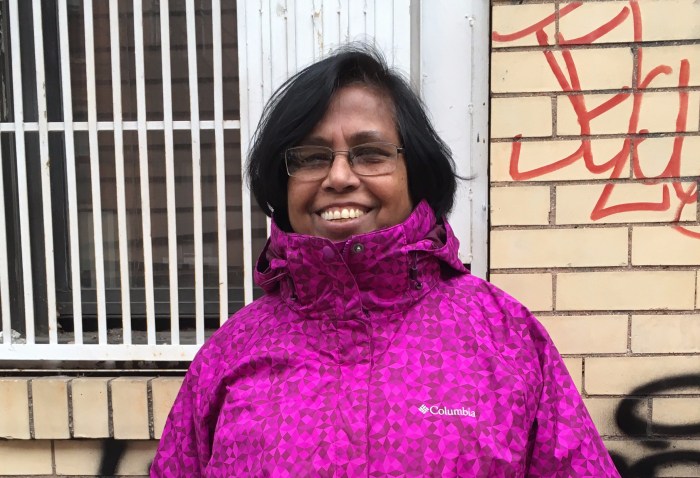
Rosaline (Rosie) Costa, a Bangladeshi human rights activist, was forced to leave the country in July 2016. In 2017, CSW interviewed her in New York. During the interview, Rosie discussed the reasons she had to leave Bangladesh, and shed light on issues of religious freedom in the country.

Rosie’s involvement in human rights work began in 1986, after she left the community of nuns to which she belonged for 17 years to pursue human rights work. She spent time working with women and children in the garment industry, establishing a hostel for rescued children who had been forced into madrasas (colleges for Islamic instruction), and speaking around the world about issues faced by minorities and particularly Hindus.

Forced To Flee

While Rosie had been no stranger to risk in her work, her fears for her safety grew following a number of killings of Christians in Bangladesh, perpetrated by people claiming to belong to Daesh. “I realised that I was being followed by some people, that’s when I left the country … I saw how the people were killed, so if something was to happen to me nobody would be able to rescue me from these people.”

Continue reading “Rosie Costa”