Ciudadanía y conflicto: Los ejércitos de Israel y Myanmar se están aprovechando de las personas desplazadas

Actualmente hay alrededor de 30,000 solicitantes de asilo en Israel. La mayoría han huido de la severa represión, incluida la persecución religiosa, bajo un gobierno responsable de décadas de crímenes de lesa humanidad generalizados  en Eritrea, o procedentes de Sudán, donde un agotador conflicto de mas de 18 meses entre las Fuerzas de Apoyo Rápido y las Fuerzas Armadas de Sudán es la última de una serie de calamidades que han causado una grave crisis humanitaria.

La mayoría ha viajado a través de Egipto antes de llegar allí, por lo general con la ayuda de traficantes de personas, y corren un gran riesgo de agresión, extorsión, violencia de género o arresto y posible deportación . La mayoría de los que completan este viaje son hombres jóvenes, junto con algunas mujeres jóvenes que probablemente han soportado atrocidades inimaginables en el camino.

A su llegada, estos solicitantes de asilo se encuentran en un limbo legal; según la Línea Directa para Refugiados y Migrantes, la principal organización de defensa de los refugiados de Israel, Israel aprueba menos del 1% de las solicitudes de asilo que recibe, con muchos casos pendientes desde hace más de cinco o incluso diez años.
Continue reading “Ciudadanía y conflicto: Los ejércitos de Israel y Myanmar se están aprovechando de las personas desplazadas”

Citizenship and conflict: How the militaries of Israel and Myanmar are taking advantage of displaced persons

There are currently around 30,000 asylum seekers in Israel. Most have fled severe repression, including religious persecution, under a government responsible for decades of widespread crimes against humanity in Eritrea, or come from Sudan, where a gruelling 18-month conflict between the Rapid Support Forces and Sudan Armed Forces is the latest in a series of calamities to cause a severe humanitarian crisis.

Most will have travelled through Egypt before arriving there, typically with the help of people smugglers, and at great risk of assault, extortion, gender-based violence, or arrest and possible refoulement. The majority of those who complete this journey are young men, together with some young women who have likely endured unimaginable atrocities en route.

Upon their arrival, these asylum seekers find themselves in legal limbo; according to the Hotline for Refugees and Migrants, Israel’s leading refugee advocacy organisation, Israel approves less than 1% of the asylum claims it receives, with many cases pending for over five or even ten years.

Continue reading “Citizenship and conflict: How the militaries of Israel and Myanmar are taking advantage of displaced persons”
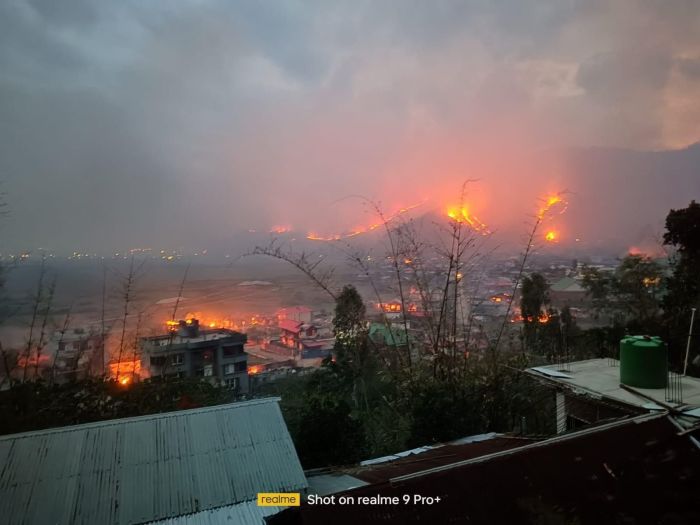
Fires in India's Manipur state.

‘We don’t know how we can restart our lives’ – stories from Manipur

‘On 3 May, around 10pm, we heard people throwing stones at our house. We didn’t understand what was happening. In the morning, we woke up and we were cooking. We saw that there was a frenzy outside. Everyone was walking out of their homes with their bags packed. They asked us why we were still at home and explained the situation. We were scared.’

Runa, Imphal

India’s Manipur State has been engulfed in violence for two and a half months now. Sparked by a protest on 3 May in which an estimated 60,000 people marched in opposition to the Manipur High Court’s request to the state government to send a recommendation to the central government to include the non-tribal Meitei community in the Scheduled Tribe (ST) category, the unrest has claimed at least 100 lives, with local sources suggesting that the death toll is significantly higher.

Thousands of homes have been burned down and tens of thousands of people have been forcibly displaced in a dispute over whether the predominantly Hindu Meitei community should be granted access to the same benefits afforded to the state’s typically more disadvantaged tribal communities.

Continue reading “‘We don’t know how we can restart our lives’ – stories from Manipur”

“We are not safe anymore”: Burma’s coup shatters hopes for democracy, religious tolerance and human rights

By Benedict Rogers

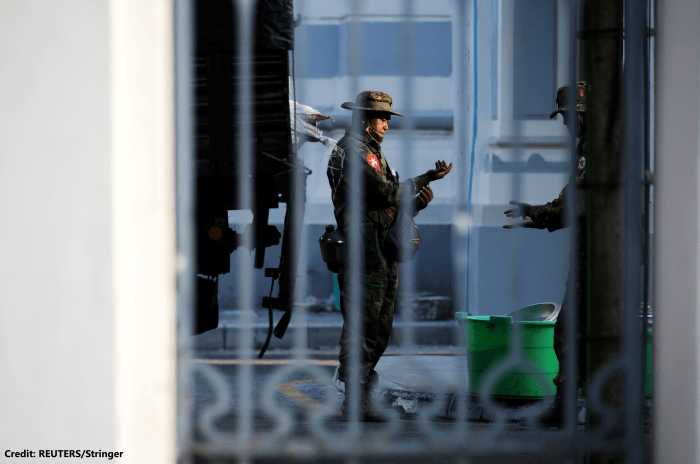
Images of tanks and soldiers on the streets of Burma’s cities, and the sound of gunfire against peaceful protesters take us back in time almost 14 years, and reverse a decade of fragile reform and democratization in the country. From the scenes of her release from house arrest in November 2010 via her talks with Burma’s then-President Thein Sein in August 2011, and through to her subsequent election to Parliament, victory in a nationwide election and the past five years as de facto head of government, Aung San Suu Kyi is now back where she started: in detention.

The generals have remained in power throughout, but now they have abandoned any pretense and seized direct control once more.

The coup on 1 February stunned the world. Although it had been rumoured, few expected the military to really do it. It is true that the army in Burma has a history of staging coups – in 1958, 1962 and 1988 – and it isn’t keen on losing elections, as it showed in 1990 when it refused to accept Suu Kyi’s first victory, consigning her to 15 years under house arrest, and her colleagues to prison or exile. In 2008 it drafted a new constitution designed to keep Suu Kyi out of power, rammed it through in a sham referendum and two years later heavily rigged the country’s first elections in two decades. Nevertheless, since then it had appeared that the military had come to some kind of accommodation with Suu Kyi and her National League for Democracy (NLD).

Continue reading ““We are not safe anymore”: Burma’s coup shatters hopes for democracy, religious tolerance and human rights”

Attacks on places of worship: Armed groups raise the stakes in the Central African Republic

Attacks on places of worship in the Central African Republic (CAR) are not a new phenomenon.

In March 2013, the predominantly Muslim rebel alliance, Seleka, seized power, and in the crisis that followed, there were reports of looting and attacks on worshipers in churches initially, spreading to mosques and other places of worship as the conflict assumed an increasingly religious dimension.

Even after the election of President Faustin-Archange Touadéra three years later, attacks on places of worship continue at a disturbing rate.

In the capital city Bangui, tensions flare periodically near the KM5 district. In May 2018, at least 15 people, including a clergyman, were killed and 100 injured in an attack on the Our Lady Fatima Catholic Church. On 7 February 2017, three churches were burned and a pastor killed in the same district.

Attacks such as these have taken a new and alarming turn since November 2018.

Continue reading “Attacks on places of worship: Armed groups raise the stakes in the Central African Republic”