What’s at stake in Nepal’s general election: An interview with a pastor and human rights defender

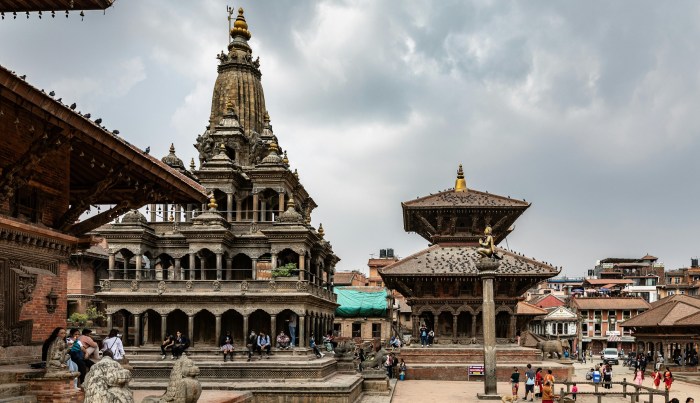
As Nepal prepares to head to the polls on 5 March, the nation finds itself at a profound crossroads. This general election follows a period of significant political upheaval, including the youth-led protests of 2025 that led to the dissolution of the previous government and the appointment of an interim cabinet. For the approximately 18.9 million registered voters, the stakes extend far beyond economic stability or infrastructure; they touch upon the very identity of the nation.

The following Q&A conducted with Pastor Tanka Subedi, a human rights defender and entrepreneur based in Kathmandu, explores the intricate intersection of religion or belief and politics, examining how the upcoming vote might reshape every Nepali’s right to freedom of religion or belief (FoRB).


For readers outside Nepal, how would you describe the country’s religious mix today?

In general, people in Nepal coexist relatively peacefully with followers of other religions, provided that members of their own family or close community are not perceived to be converting. Tensions may arise when organised groups or individuals mobilise sentiment against another religion. Many Hindus consider Buddhists, Kirat, and Masto traditions as part of the broader Hindu cultural framework, and adherents of these traditions often accept this understanding. Islam is largely tolerated within society. Christianity, however, is frequently perceived as a foreign religion, which contributes to social suspicion and sensitivity around its growth.

Continue reading “What’s at stake in Nepal’s general election: An interview with a pastor and human rights defender”

For authorities in Cuba’s prisons, the right to freedom of religion or belief is a tool to manipulate 

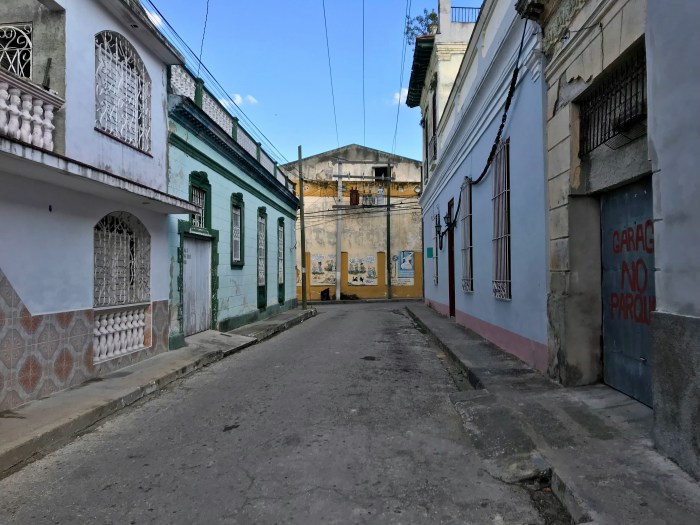
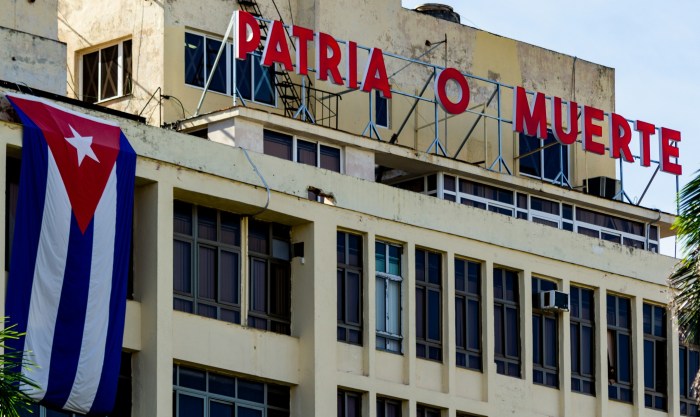
It has been understood for decades that conditions in Cuba’s maximum-security prisons are terrible. They have only grown worse over the past few years as the entire country has experienced an economic and infrastructure crisis, with critical shortages of food and medicine across the country alongside the repeat failure of the island’s entire electrical grid, sometimes for days at a time.  

Since 1989, the Cuban government has refused access to the International Committee of the Red Cross to monitor or assess prison conditions. Prisoners are held in unhygienic, sometimes overcrowded conditions, in cells infested with mosquitoes and bedbugs. The food served to prisoners is unpalatable, riddled with insects and worms, and low in nutrition. Despite rampant disease, including tuberculosis, dengue, and dysentery outbreaks, throughout the prison facilities, medical attention is inadequate, if provided at all.  

During the hot and humid summer months, temperatures inside the cells can rise to dangerous levels. Multiple former political prisoners have told CSW that the only water they had extremely limited access to, both for drinking and personal hygiene, was cloudy or dirty.  

Continue reading “For authorities in Cuba’s prisons, the right to freedom of religion or belief is a tool to manipulate “

Para las autoridades de las cárceles cubanas, el derecho a la libertad de religión o creencias es solo una herramienta de manipulación

Durante décadas es bien sabido que las condiciones en las cárceles de máxima seguridad de Cuba son terribles. Estas condiciones no han hecho más que empeorar en los últimos años, , pues el país entero está hundido en una crisis económica y de infraestructura, agravada por la escasez de alimentos y medicamentos en toda la isla, aunado a los repetidos fallos de la red eléctrica de la  nación, a veces durante días. 
 
Desde 1989, el gobierno cubano ha negado el acceso al Comité Internacional de la Cruz Roja para supervisar o evaluar las condiciones carcelarias. Los presos se encuentran recluidos en condiciones insalubres, a veces de hacinamiento, en celdas infestadas de mosquitos y chinches. La comida que se les sirve es insípida, plagada de insectos y gusanos, y de bajo valor nutritivo. A pesar de la proliferación de enfermedades, como la tuberculosis, el dengue y los brotes de disentería, en las instalaciones penitenciarias, la atención médica es insuficiente, o incluso nula.

Durante los calurosos y húmedos meses de verano, las temperaturas dentro de las celdas pueden alcanzar niveles peligrosos. Numerosos ex presos políticos han declarado a CSW que el agua a la que tenían acceso,  tanto para beber como para su higiene personal, estaba extremadamente limitada, además de turbia o sucia.  

Continue reading “Para las autoridades de las cárceles cubanas, el derecho a la libertad de religión o creencias es solo una herramienta de manipulación”

Pastor Rudy Palacios Vargas dared to speak out against injustice in Nicaragua. For that he has been labelled a murderer and a terrorist. 

On the evening of Thursday 17 July, armed police officers – some in uniform and others dressed in black or blue and with their faces covered – arrived in a coordinated operation at the homes of Pastor Rudy Palacios Vargas and several of his friends and family in Jinotepe Municipality, Carazo Department, Nicaragua. 

The police, who did not show any arrest warrants, broke down the doors of each house using their rifle butts and a tool called a ‘pig’s foot’ before proceeding to arrest Pastor Palacios Vargas, his sister Jéssica Palacios Vargas and brothers-in-law Pedro José López and Armando José Bermudez. Mauricio Alonso Petri, a political activist and friend of the pastor, and his adult son of the same name, who is a part of the worship team at Pastor Palacios Vargas’ church were detained as well. Family friend Olga María Lara Rojas, a former political councillor, who is a Protestant Christian but not a member of Pastor Palacios Vargas’ church, was also arrested at her home. 

The officers confiscated the detainees’ cell phones and other electrical devices and were reported to have taken them to the 3rd Police District, though the authorities initially refused to provide their family members with any information as to their whereabouts. 

Continue reading “Pastor Rudy Palacios Vargas dared to speak out against injustice in Nicaragua. For that he has been labelled a murderer and a terrorist. “

El Pastor Rudy Palacios Vargas se atrevió a denunciar las injusticias en Nicaragua. Por ello, ha sido acusado de asesinato y terrorismo. 

En un operativo coordinado la noche del jueves 17 de julio, policías armados —algunos uniformados, otros vestidos de negro o azul y con el rostro cubierto— llegaron simultáneamente a la casa del Pastor Rudy Palacios Vargas y las casas de sus amigos y familiares en el municipio de Jinotepe, departamento de Carazo, Nicaragua.   

La policía, que no mostró ninguna orden de arresto, derribó las puertas de cada casa con las culatas de sus rifles y con una herramienta llamada “pata de cerdo”.  De inmediato arrestaron al Pastor Palacios Vargas, a su hermana Jéssica Palacios Vargas y sus cuñados Pedro José López y Armando José Bermúdez Mojica. También fueron arrestados Mauricio Alonso Petri, activista político y amigo del pastor, y su hijo adulto del mismo nombre, quien forma parte del grupo de alabanza de la iglesia del Pastor Palacios Vargas. Olga María Lara Rojas, cristiana protestante, no miembro de la iglesia del pastor Palacios Vargas, pero amiga de la familia y exconsejera política, también fue detenida en su domicilio. 

 Los agentes confiscaron los teléfonos celulares y otros dispositivos eléctricos de los detenidos y, según se informó, los llevaron al Tercer Distrito Policial, aunque inicialmente las autoridades se negaron a proporcionar a sus familiares información sobre su paradero. 

Continue reading “El Pastor Rudy Palacios Vargas se atrevió a denunciar las injusticias en Nicaragua. Por ello, ha sido acusado de asesinato y terrorismo. “