All posts

Christmas in China’s prison cells: Remembering Zhang Zhan and others over the festive period

I love Christmas. I especially love the fact that it comes right in the middle of the darkest part of the year here in the UK. Just when I’ve had about enough of the cold, dark, rainy British wintertime, everything is brightened up by Christmas decorations in my neighbours’ windows, trees along our street festooned with lights, and plans for good times ahead with family and friends. 2020 is sure to be a Christmas like no other, including in the UK, but there are still things we can do to remind us of the festive spirit.

Just last week I received a lovely Christmas card with a heartfelt message. It came at just the right time, as I’d been thinking about friends and activists in China. This always makes me sad, not only because it’s impossible to visit the country right now, but more because so many of them – being Christian leaders, human rights lawyers or citizen journalists – will be spending Christmas and New Year in prison cells far away from their loved ones. Contemplating their situation, and the Chinese government’s crackdown on Christians, it seemed ironic to me that the card I held in my hands was ‘made in China’.
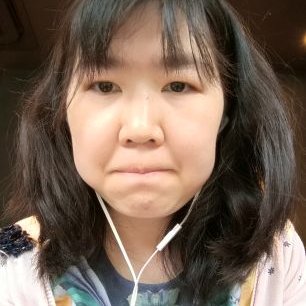
Zhang Zhan. Credit: Twitter/@consultorzhang

Take for example Zhang Zhan, a Christian citizen journalist and human rights defender. Zhang was one of the brave few who attempted to report the truth in the early days of the COVID-19 pandemic.

Continue reading “Christmas in China’s prison cells: Remembering Zhang Zhan and others over the festive period”
A new tool in the toolbox: The EU Global Human Rights Sanctions Regime

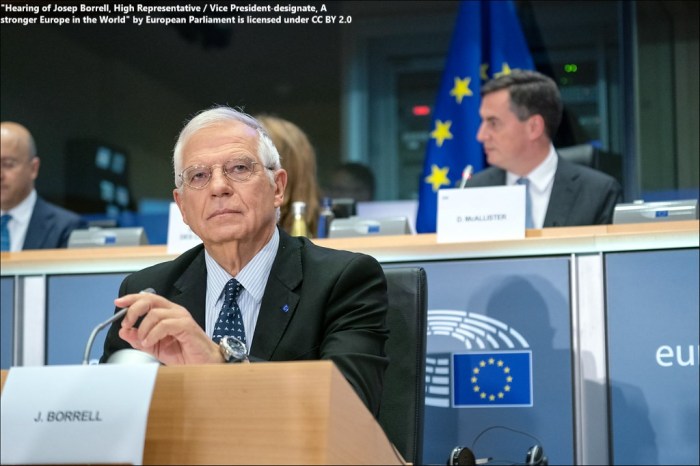
On 7 December, the EU officially approved the creation of its newest human rights mechanism, the European Union (EU) Global Human Rights Sanctions Regime.

It will enable the European bloc to impose EU-wide travel bans on, freeze the assets of and prohibit the availability of funds and economic resources to individuals and entities who have committed or been associated with serious human rights abuses. It will target both state and non-state actors, regardless of where they are in the world and where they committed their crimes.

The mechanism is informally known as the EU-styled Magnitsky Act, after the US model that preceded it. The US Magnitsky Act was signed by President Barack Obama in 2012 and was originally designed to target Russian officials who were responsible for the death of the Russian tax lawyer Sergei Magnitsky.

Continue reading “A new tool in the toolbox: The EU Global Human Rights Sanctions Regime”

Sri Lanka’s Anti-Cattle Slaughter Law: Lessons from India

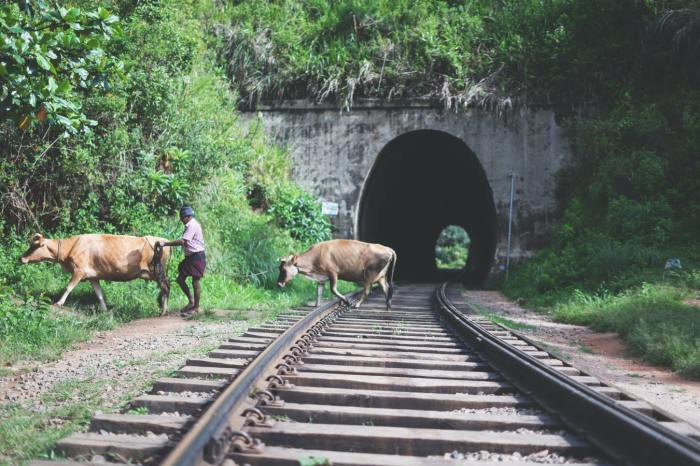
In September 2020, the Sri Lankan cabinet approved Prime Minister Mahinda Rajapaksa’s proposal to ban domestic cattle slaughter. Cabinet spokesman and Mass Media Minister Keheliya Rambukwella announced that the decision would pass into law in ‘due course.’ The move may be considered a way of ‘thanking’ the country’s Buddhist majority, who have long lobbied for a beef ban, or to win support and maintain favour with the same group. Ultimately it is a politically motivated decision designed to appease the island’s majority population of Sinhalese Buddhists.  

According to Mr Rambukwella, the current governments ban follows requests from ‘various quarters’ and was mostly put forward as a ‘good gesture’ toward the Buddhist community. Under the proposed ban, beef imports are still permitted, and would be sold at a concessionary price to those who consume it. In addition to this, a programme will be launched for ageing cattle which can no longer be used for agricultural purposes.

Rampant and rising Islamophobia

Others are less convinced. In 2017, scholars Mohammad Agus Yusoff and Athambawa Sarjoon, of the Universiti Kebangsaan Malaysia and University of Peradeniya respectively, suggested that such campaigns are actually motivated by religious and ethnic concerns:

Continue reading “Sri Lanka’s Anti-Cattle Slaughter Law: Lessons from India”

Colombia: Planting seeds of hope amid conflict and COVID-19

30 November marked the fourth anniversary of the approval of a peace agreement between the Colombian government and the Revolutionary Armed Forces of Colombia (the FARC-EP) by the Colombian Congress. Four years later the country still has a long way to go, as violence continues in several departments and those working in peacebuilding find themselves increasingly targeted by armed actors. Add to this the effects of the COVID-19 pandemic and the picture is one of serious concern.

CSW spoke to Pablo Moreno, Rector of the Unibautista Baptist Seminary in Cali and Director of the Colombian Council of Evangelical Churches Peace Commission (CEDECOL).

“The COVID-19 pandemic has affected Colombia much like the rest of the world. There have been months of upheaval in the worlds of academia, work and religion. Periods of lockdown have shifted many areas of human life into the virtual realm, altering the physical meetings and face-to-face encounters we had become accustomed to.

In the midst of this, violence has increased in Colombia. Illegal armed groups occupying territories abandoned by the FARC-EP are fighting among themselves for control over drug trafficking routes. At the same time these groups are used to frighten the population to make them leave their homes so that they can build illegal mines, expropriate land, and expand their social dominance in a way that benefits them.

Continue reading “Colombia: Planting seeds of hope amid conflict and COVID-19”

Colombia: Plantando semillas de esperanza en medio de conflicto y el COVID-19

El 30 de noviembre se cumple el cuarto aniversario de la aprobación del histórico acuerdo de paz, entre el gobierno colombiano y las Fuerzas Armadas Revolucionarias de Colombia (FARC) en el congreso colombiano. Después de cuatro años, la paz sigue siendo un tema pendiente, ya que la violencia continúa y ha empeorado en varias regiones y quienes trabajan en la construcción de la paz, se encuentran cada vez más en la mira de los actores armados que actúan en la ilegalidad. Agregue a esto los efectos de la pandemia del COVID-19 y el panorama se vuelve de gran preocupación.

CSW habló con Pablo Moreno, Rector del Seminario Bautista de Cali (Unibautista) y Director de la Comisión de Paz del Consejo Colombiano de Iglesias Evangélicas (CEDECOL).

“La pandemia del COVID19 ha afectado a Colombia como todo el mundo, han sido meses de anormalidad académica, laboral y religiosa. Períodos de confinamiento han alterado el desarrollo histórico de los encuentros presenciales y ha producido un incremento de la virtualidad en todas las áreas de la vida humana.

En medio de esta situación, se ha incrementado la violencia en Colombia, grupos armados que ocuparon territorios dejados por las FARC se pelean entre sí el control del negocio del tráfico de drogas, al mismo tiempo estos grupos son usados para atemorizar a la población para que abandonen sus territorios y así puedan desarrollar la minería ilegal, la apropiación de la tierra y la expansión del dominio social en su favor.

Continue reading “Colombia: Plantando semillas de esperanza en medio de conflicto y el COVID-19”