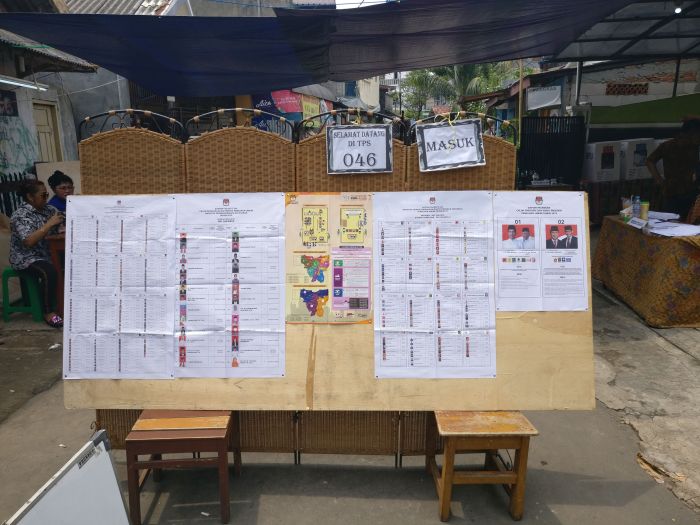
Indonesia’s presidential election is imminent; on 14 February President Joko Widodo, popularly known as Jokowi, will step down after two terms in office and the world’s third-largest democracy and largest Muslim-majority nation will head to the polls to elect their next leader. National and local parliamentary representatives and senators will also be voted on.
The election carries with it significant implications for human rights including freedom of religion or belief (FoRB). How have religious minorities fared under Widodo’s presidency and what must be addressed by the incoming president to improve the FoRB for all in the country?
The instrumentalization of religion in politics
Jokowi is a popular figure in Indonesia, with 97% of non-Muslims voting for him in the 2019 elections, but his election promises of addressing past human rights abuses, inequalities and bolstering rights protections remained largely unrealised. Under Jokowi’s presidency, discriminatory practices and violent assaults on ethnic and religious minorities have persisted.
Continue reading “Indonesia’s presidential elections: How have human rights fared under Jokowi?”