“三个警察来了,要把我带走。不能再发信息了。”
张春晓回忆说,这是2023年7月28日她丈夫在老挝被拘留前对她说的最后的话。
卢思位是在试图前往泰国时被老挝警方带走的,他原本计划到泰国搭乘飞往美国的航班。其妻张春晓及 14 岁的女儿等候与他团聚。
卢先生是中国著名的人权律师,因多年来代理被中国当局视为异议人士而抓捕的政治案件,其律师证于 2021 年被当局吊销。
Continue reading “中国,停止跨境打压人权捍卫者”Freedom of Religion or Belief in full – A blog by CSW

“三个警察来了,要把我带走。不能再发信息了。”
张春晓回忆说,这是2023年7月28日她丈夫在老挝被拘留前对她说的最后的话。
卢思位是在试图前往泰国时被老挝警方带走的,他原本计划到泰国搭乘飞往美国的航班。其妻张春晓及 14 岁的女儿等候与他团聚。
卢先生是中国著名的人权律师,因多年来代理被中国当局视为异议人士而抓捕的政治案件,其律师证于 2021 年被当局吊销。
Continue reading “中国,停止跨境打压人权捍卫者”
‘Three policemen have come. They want to take me away. I can’t send you messages anymore.’
Zhang Chunxiao recalled these as the last words her husband left her before his detention in Laos on Friday 28 July 2023.
Lu Siwei was taken by Lao police while trying to travel to Thailand, where he would board a flight to the United States to reunite with Zhang and their 14-year-old daughter.
Mr Lu is a well-known Chinese human rights lawyer, whose license was revoked by authorities in 2021 following years of representing clients deemed to be dissidents by the authorities.
Continue reading “China, stop targeting overseas human rights defenders”
It is believed that more than 300,000 people have fled Cuba since nationwide protests swept the country on 11 July 2021. Many of them are religious leaders, journalists, human rights defenders and others who were given no choice but to leave the island under intense pressure from the Cuban government. CSW’s Into Exile series tells some of their stories.
Pastor Alaín Toledano Valiente and his wife, Marilín Alayo Correa, led Emanuel Church, one of the largest churches in terms of attendees in the eastern city of Santiago de Cuba for 20 years. As part of the charismatic Protestant Christian network known as the Apostolic Movement, which the government refuses to register, Pastor Toledano, his family and his church were subjected to two decades of intense harassment at the hands of the authorities.
Their church building was demolished on two separate occasions by the government, and Pastor Toledano and his wife were regularly subjected to summonses, interrogations and short term arbitrary detention. Meanwhile, their daughters have been the targets of bullying and violence at school, orchestrated by school officials with the backing of Cuban State Security. In August 2019 he was threatened with imprisonment if his church went ahead with a planned event for women. In October 2021, officials informed him that a criminal case had been prepared against him, meaning he could be arrested and imprisoned at any time.
Continue reading “Into Exile: Alaín Toledano Valiente”
Se cree que más de 300.000 personas han huido de Cuba desde que las protestas a nivel nacional arrasaron el país el 11 de julio de 2021. Muchos de ellos son líderes religiosos, periodistas, defensores de los derechos humanos y otras personas que no tuvieron más opción que abandonar la isla bajo la intensa presión de el gobierno cubano. La serie Al Exilio de CSW cuenta algunas de sus historias.
El pastor Alaín Toledano Valiente y su esposa, Marilín Alayo Correa, dirigieron por más de 20 años la Iglesia Emanuel, una de las iglesias con mayor número de asistentes en la oriental ciudad de Santiago de Cuba. Como parte de la carismática red cristiana protestante conocida como Movimiento Apostólico, que el gobierno se niega a registrar, el pastor Toledano, su familia y su iglesia fueron objeto de dos décadas de intenso hostigamiento por parte de las autoridades.
El edificio de su iglesia fue demolido en dos ocasiones distintas por el gobierno, y el pastor Toledano y su esposa fueron constantemente objeto de citaciones, interrogatorios y detenciones arbitrarias breves. Mientras tanto, sus hijas fueron objeto de acoso y violencia en la escuela, orquestados por funcionarios escolares con el respaldo de la Seguridad del Estado cubano. En agosto de 2019 Toledano fue amenazado con encarcelarlo si su iglesia seguía adelante con un evento planeado para mujeres. En octubre de 2021, los funcionarios le informaron que estaban preparando un caso penal en su contra, lo que significaba que podía ser arrestado y encarcelado en cualquier momento.
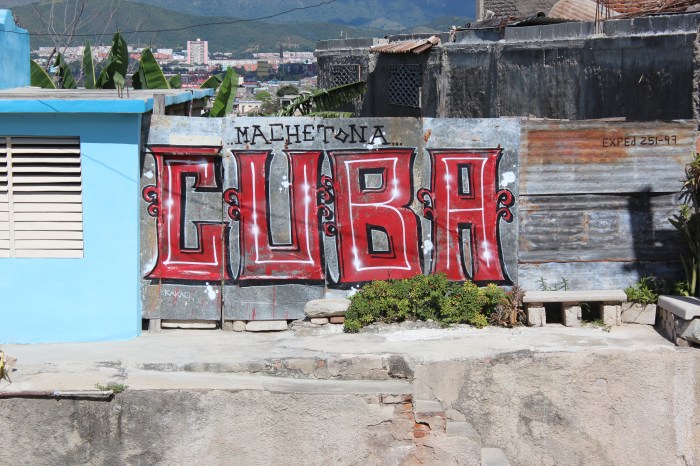
Following the peaceful protests of 11 July 2021, many Cuban religious leaders and members of communities of faith have joined the largest ongoing wave of emigration since the start of the Cuban Revolution in 1959.
The Cuban government requires that all religious groups and associations obtain legal registration from the Ministry of Justice, but make it almost impossible for them to do so. Since the Revolution, the government has granted legal status to only a handful of groups, and has stripped some, which had a legally recognised presence on the island prior to 1959 of their legal status. As a result, the vast majority of religious groups that did not have a legal presence on the island before 1959 exist outside the law, automatically making them targets of discrimination and harassment.
Continue reading “Why are Cuba’s religious leaders going into exile?”Over the past two years, Cuba has sent hundreds of dissidents to prison, where for those who hold religious beliefs, their faith often is used by prison guards as a pressure point. The government regularly violates the Nelson Mandela Rules, refusing to allow political prisoners to received religious visits, possess religious materials or participate in religious services inside the prisons. Political prisoners’ religious faith is regularly, publicly ridiculed. Among the growing number of political prisoners are leaders of unregistered religious groups.