Rosie Costa

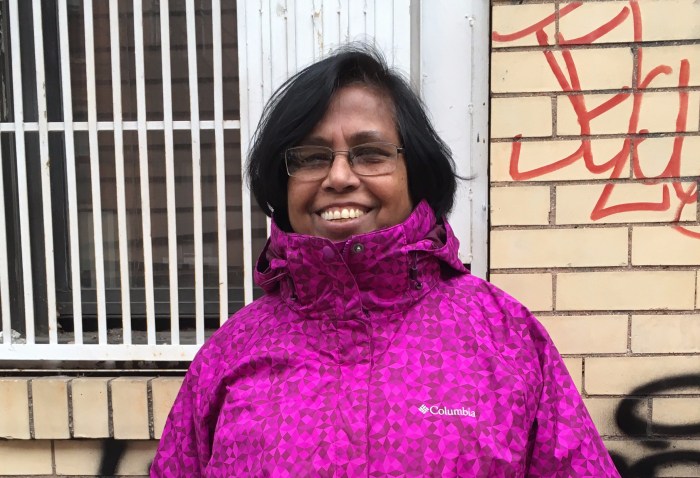
Rosaline (Rosie) Costa, a Bangladeshi human rights activist, was forced to leave the country in July 2016. In 2017, CSW interviewed her in New York. During the interview, Rosie discussed the reasons she had to leave Bangladesh, and shed light on issues of religious freedom in the country.

Rosie’s involvement in human rights work began in 1986, after she left the community of nuns to which she belonged for 17 years to pursue human rights work. She spent time working with women and children in the garment industry, establishing a hostel for rescued children who had been forced into madrasas (colleges for Islamic instruction), and speaking around the world about issues faced by minorities and particularly Hindus.

Forced To Flee

While Rosie had been no stranger to risk in her work, her fears for her safety grew following a number of killings of Christians in Bangladesh, perpetrated by people claiming to belong to Daesh. “I realised that I was being followed by some people, that’s when I left the country … I saw how the people were killed, so if something was to happen to me nobody would be able to rescue me from these people.”

Continue reading “Rosie Costa”
Latent Justice: The Unfinished Gujarat Story

“The Gujarat Carnage 2002, is certainly one of the bloodiest chapters of post-independent India. The painful reality is, that those responsible for it, are now at the helm of power in India” – Father Cedric Prakash (Human Rights Activist)

Confronting past crimes is unsettling, particularly when the perpetrators continue to enjoy political immunity. Fifteen years ago on 28 February 2002, violence in Gujarat, India covered the news headlines as an estimated 2,000 Muslims were massacred over several months across 16 districts in the country.

Continue reading “Latent Justice: The Unfinished Gujarat Story”

Shifting Alliances in Northwest Syria Make a Political Solution More Remote

In northwest Syria, religious minorities have suffered multiple attacks on their properties, places of worship and unknown numbers have been killed. The rights of small Christian and Druze communities that remain are likely to be further restricted by the rapidly changing political and military landscape in the area.

Talks in Astana, Kazakhstan

The Kazakh capital, Astana, has been the site of several rounds of talks organised by Russia, Iran and Turkey aimed at finding a political solution to the Syrian crisis. However, shifting power play between the different armed groups that constitute the rebel movement continues to throw up hurdles in the path towards peace.

Continue reading “Shifting Alliances in Northwest Syria Make a Political Solution More Remote”

Remembering Egypt’s Revolution

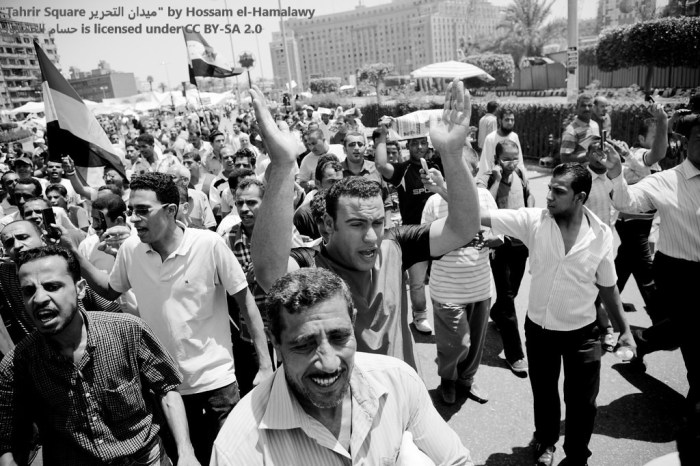
In Egypt 25 January has historically been National ‘Police Day’, commemorating the day in 1952 when 50 policemen were killed and others were injured by the British for refusing  to hand over their weapons to and evacuate Ismaïlia Police Station. However, owing to the events of 25 January 2011, the day is now known to many as the “Day of Rage”, when unprecedented anti-government protests broke out across the country. Three days later, on the “Friday of Anger” a huge demonstration convened in Tahrir Square in Cairo, with protesters demanding the removal of President Hosni Mubarak. On 11 February, 18 days after the demonstrations began, the President stepped down 2011.

Continue reading “Remembering Egypt’s Revolution”

Turkey: Growing Religious Intolerance is Undermining Constitutional Commitments

American Pastor Andrew Brunson and his wife have been living in Turkey for 23 years running a church in Izmir with the full knowledge of the Turkish authorities.

However, on the 7 October 2016, they were summoned by the local police and accused for being a “threat to the national security”, with no further details supplied. While his wife was eventually released, Pastor Brunson was held in an immigration detention facility, where he was denied family visits and access to a bible. After two months in solitary confinement he was transferred to a high security prison in Izmir, before being brought before a court on 9 December, where he was informed he would be imprisoned due to his alleged links to the Gulen movement, the organisation deemed responsible for the attempted military coup in July 2016. The court did not reveal the source of this accusation. An appeal against the pastor’s imprisonment was turned down on 29 December, and a fresh appeal is expected to be launched at a higher court.

Deterioration in Human Rights and Rise in Ultra-nationalism

Pastor Brunson’s case is illustrative of the significant deterioration in human rights situation that occurred in the aftermath of the foiled military coup. Thousands of journalists, academics, activists, writers, teachers, judges and thinkers have been arrested since July 2016, accused of being “traitors and collaborators against national interests”, while others have been forced to adopt lower profiles and live in anticipation of being arrested.

Continue reading “Turkey: Growing Religious Intolerance is Undermining Constitutional Commitments”