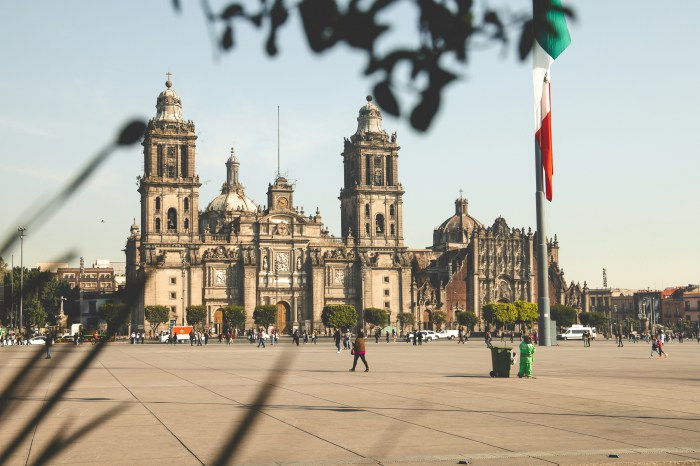
Elections in Mexico: Freedom of religion or belief remains an unaddressed issue 

This weekend Mexico will elect 20,286 representatives, including a new president, 128 new senators, 500 federal deputies, governors, municipal presidents and members of state legislatures.  

Although several challenges have been addressed during the electoral campaigns, one topic that has hardly been talked about is human rights, despite the continued calls by civil society organisations for this to change.  

In 2022, Mexico’s National Institute of Statistics and Geography (INEGI) recorded 156,743 human rights violations. The most frequently occurring types of violations were arbitrary detention, acts of discrimination carried out by public officials, and the denial or inadequate provision of public services like water and electricity.  

Continue reading “Elections in Mexico: Freedom of religion or belief remains an unaddressed issue “

Elecciones en México: La libertad de religión o de creencias sigue siendo una asignatura pendiente

Este fin de semana México elegirá a 20 mil 286 representantes, incluyendo un nuevo Presidente, 128 nuevos senadores, 500 diputados federales, gobernadores, presidentes municipales y miembros de las legislaturas estatales.

Aunque durante las campañas electorales se han abordado varios desafíos, un tema del que apenas se ha hablado es el de los Derechos Humanos, a pesar de los continuos llamamientos de las organizaciones de la sociedad civil para que esto cambie.

En 2022, el Instituto Nacional de Estadística y Geografía (INEGI) de México registró 156,743 violaciones a los derechos humanos. Los tipos de violaciones más frecuentes fueron la detención arbitraria, los actos de discriminación cometidos por funcionarios públicos y la denegación o prestación inadecuada de servicios públicos como el agua y la electricidad.

Continue reading “Elecciones en México: La libertad de religión o de creencias sigue siendo una asignatura pendiente”

Reflexiones sobre mi amada India en un año electoral

La India está celebrando actualmente elecciones generales en siete fases, que se celebrarán del 19 de abril al 1 de junio de 2024. El investigador de CSW en la India, cuyo nombre se ha mantenido en el anonimato por razones de seguridad, vive en el estado de Tamil Nadu, en el sur del país. Aquí nos presenta algunas reflexiones sobre lo que está en juego para el futuro de la nación.

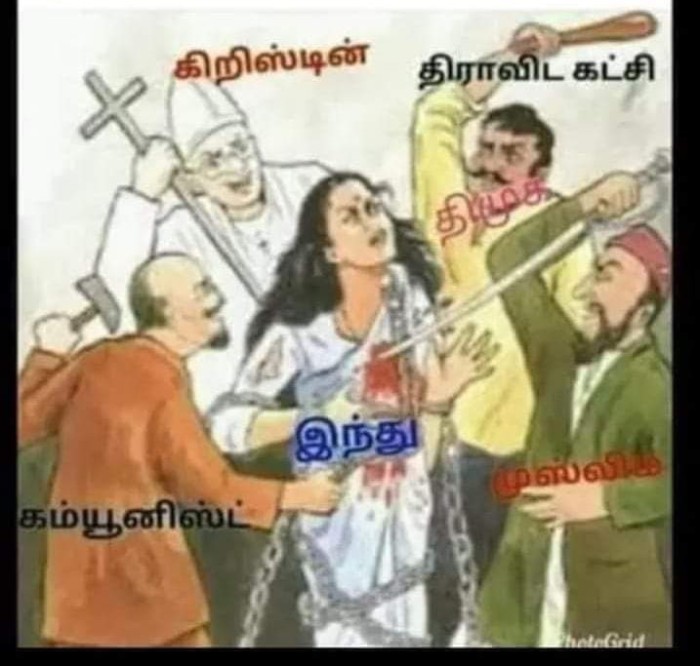
Un día antes de que mi estado, Tamil Nadu, empezaran las elecciones, estaba navegando por las redes sociales cuando noté una imagen publicada por un viejo amigo mío que estudió conmigo en una escuela cristiana. La imagen era de una mujer vestida con un sari blanco que representaba a un hindú indio. A su alrededor había otros tres hombres, un comunista cristiano, un musulmán y un miembro del partido político dravídico, todos con armas en la mano tratando de apuñalar a una mujer hindú visiblemente asustada. La leyenda decía “vota sabiamente”, un aparente mensaje de advertencia a todos los hindúes de su lista de amigos de que están en peligro y que deben votar por el partido que afirma protegerlos.

Me sorprendió bastante. Sí, lo sé que miles de hindúes radicales en la India creen genuinamente que su religión está amenazada. Pero ver a alguien que conocido, que había recibido toda su educación en una escuela cristiana y seguía siendo hindú, sucumbir a la falsa narrativa de que el hinduismo está amenazado, fue sorprendente. En los últimos años, tristemente me he encontrado con muchos otros amigos y conocidos hindúes que han llegado a creer eso.

Continue reading “Reflexiones sobre mi amada India en un año electoral”

Indonesia’s presidential elections: How have human rights fared under Jokowi?

Indonesia’s presidential election is imminent; on 14 February President Joko Widodo, popularly known as Jokowi, will step down after two terms in office and the world’s third-largest democracy and largest Muslim-majority nation will head to the polls to elect their next leader. National and local parliamentary representatives and senators will also be voted on.

The election carries with it significant implications for human rights including freedom of religion or belief (FoRB). How have religious minorities fared under Widodo’s presidency and what must be addressed by the incoming president to improve the FoRB for all in the country?

The instrumentalization of religion in politics

Jokowi is a popular figure in Indonesia, with 97% of non-Muslims voting for him in the 2019 elections, but his election promises of addressing past human rights abuses, inequalities and bolstering rights protections remained largely unrealised. Under Jokowi’s presidency, discriminatory practices and violent assaults on ethnic and religious minorities have persisted.

Continue reading “Indonesia’s presidential elections: How have human rights fared under Jokowi?”

‘Emperor of Hindu hearts’: Narendra Modi rebranded

Millions of Hindus in India and across the world watched with pride as India’s Prime Minister Narendra Modi inaugurated the grand Ram Mandir (Ram temple) in Ayodhya, Uttar Pradesh on 22 January.

It was a historic moment that many devotees had been waiting to witness for decades. This is the site that is believed to be the birthplace of one of the most revered Hindu deities, Ram, and the inauguration of the temple or the Pran Pratishta ceremony (the act of consecrating the idol in the temple and bringing it to life) held deep religious significance.

More than 7,000 people were invited as guests, including top Bollywood celebrities, cricketers, large business owners and about 4,000 Hindu priests. There were seas of saffron not just in Ayodhya but across the country where people gathered in smaller local temples to celebrate the occasion.

Continue reading “‘Emperor of Hindu hearts’: Narendra Modi rebranded”