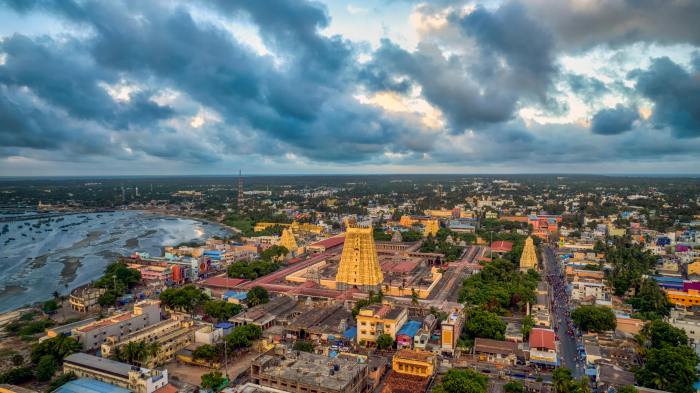
Reflexiones sobre mi amada India en un año electoral

La India está celebrando actualmente elecciones generales en siete fases, que se celebrarán del 19 de abril al 1 de junio de 2024. El investigador de CSW en la India, cuyo nombre se ha mantenido en el anonimato por razones de seguridad, vive en el estado de Tamil Nadu, en el sur del país. Aquí nos presenta algunas reflexiones sobre lo que está en juego para el futuro de la nación.

Un día antes de que mi estado, Tamil Nadu, empezaran las elecciones, estaba navegando por las redes sociales cuando noté una imagen publicada por un viejo amigo mío que estudió conmigo en una escuela cristiana. La imagen era de una mujer vestida con un sari blanco que representaba a un hindú indio. A su alrededor había otros tres hombres, un comunista cristiano, un musulmán y un miembro del partido político dravídico, todos con armas en la mano tratando de apuñalar a una mujer hindú visiblemente asustada. La leyenda decía “vota sabiamente”, un aparente mensaje de advertencia a todos los hindúes de su lista de amigos de que están en peligro y que deben votar por el partido que afirma protegerlos.
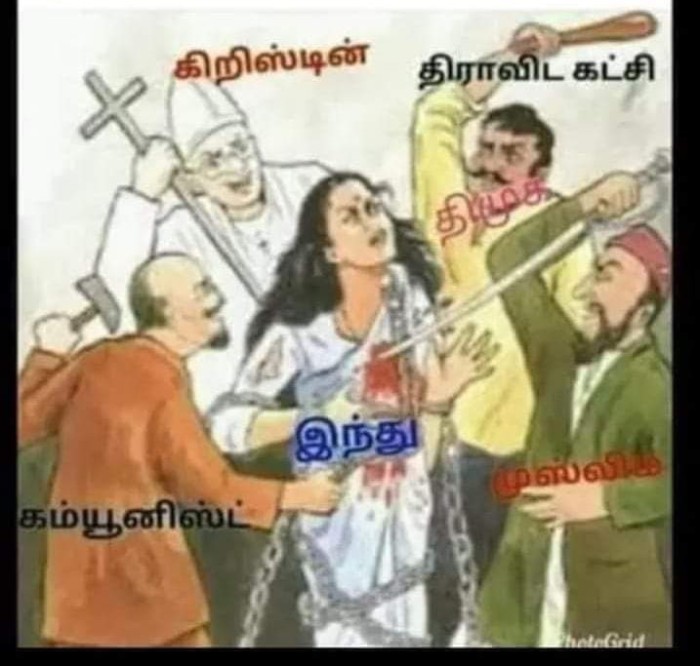
Me sorprendió bastante. Sí, lo sé que miles de hindúes radicales en la India creen genuinamente que su religión está amenazada. Pero ver a alguien que conocido, que había recibido toda su educación en una escuela cristiana y seguía siendo hindú, sucumbir a la falsa narrativa de que el hinduismo está amenazado, fue sorprendente. En los últimos años, tristemente me he encontrado con muchos otros amigos y conocidos hindúes que han llegado a creer eso.

Continue reading “Reflexiones sobre mi amada India en un año electoral”
New Education Policy 2020: A subtle attempt to reshape India’s collective thinking

In July 2020, Indian Prime Minister Narendra Modi and his government released a 62-page ‘New Education Policy’ (NEP) to much excitement. It had been 34 years since the last education policy was rolled out, so the excitement was understandable.

On the surface, the policy looks grand and attractive. It speaks of reformation and becoming a ‘Global Knowledge Superpower’. However, India’s religious minorities are dissatisfied. In the 18 months since its release, there have been several protests against it by Muslim and Christian groups, claiming that they have been left out of the central government’s glorious vision for the future. 

Here are some of the key concerns. 

Lack of representation of religious minorities

While the 1986 education policy focused on giving minorities and women access to education, reducing child drop out rates and introducing education for adults, the NEP 2020 seems to focus more on technology, new-age curricula and innovation, with hardly any specific agenda to uplift members of minority communities. In fact, the word ‘minority’ is only mentioned twice and ‘Muslim’ is mentioned once – ironically to admit that they are under-represented. 

Continue reading “New Education Policy 2020: A subtle attempt to reshape India’s collective thinking”

Une tragédie en cours : Le déclin de la diversité religieuse au Moyen-Orient

Billet de Blog par Lord Alton of Liverpool

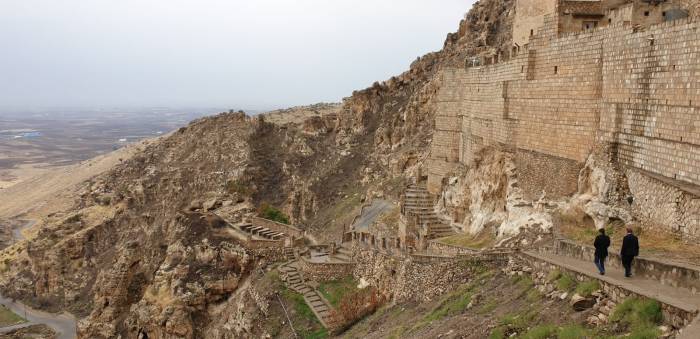
La région du Moyen-Orient et de l’Afrique du Nord (MOAN) connait un déclin significatif de la diversité religieuse depuis ces dernières années. Si les anciennes communautés chrétiennes ont régulièrement souffert par le passé, aucun groupe religieux n’est cependant épargné par la tragédie actuelle ; les ahmadis, les bahaïs, les juifs, les yazidis et les zoroastriens ont tous été touchés, ainsi que les musulmans chiites et sunnites. Pour de multiples raisons, dans plusieurs pays de la région, des communautés minoritaires ayant des racines profondes remontant à plusieurs générations sont contraintes de quitter leurs terres ancestrales.

Irak et Syrie: Un cycle de violences sans fin

Depuis 2003, le nombre de chrétiens et de yazidis en Irak a considérablement diminué. Des milliers d’entre eux ont été tués et des centaines de milliers ont émigré à cause du terrorisme et de la violence sectaire. Ils ne reviendront jamais.

En 2014, l’État islamique (EI) a conquis Mossoul et les plaines de Ninive. Des milliers d’hommes, de femmes et d’enfants non sunnites ont été tués ou réduits en esclavage. Une étude, réalisée par la Public Library of Science, estime que 3 100 yazidis ont été tués en quelques jours après l’attaque de 2014. Au cours des années suivantes, des dizaines de milliers de chrétiens irakiens ont émigré vers les pays voisins ; le nombre des chrétiens restant en Irak est aujourd’hui estimé à 250 000 contre 2,5 millions avant l’invasion de 2003.

Continue reading “Une tragédie en cours : Le déclin de la diversité religieuse au Moyen-Orient”

“We are not safe anymore”: Burma’s coup shatters hopes for democracy, religious tolerance and human rights

By Benedict Rogers

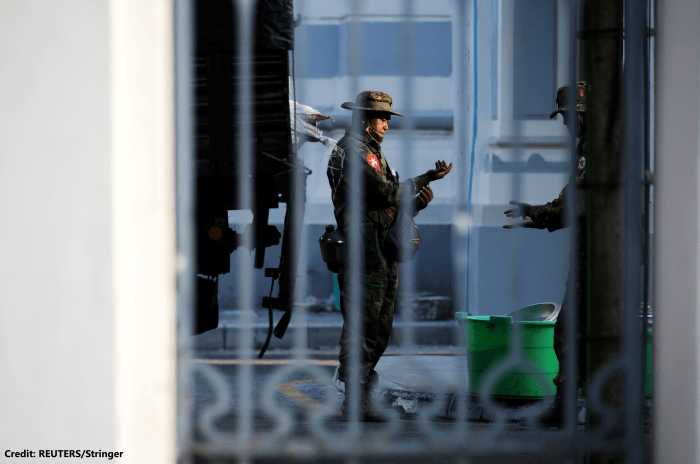
Images of tanks and soldiers on the streets of Burma’s cities, and the sound of gunfire against peaceful protesters take us back in time almost 14 years, and reverse a decade of fragile reform and democratization in the country. From the scenes of her release from house arrest in November 2010 via her talks with Burma’s then-President Thein Sein in August 2011, and through to her subsequent election to Parliament, victory in a nationwide election and the past five years as de facto head of government, Aung San Suu Kyi is now back where she started: in detention.

The generals have remained in power throughout, but now they have abandoned any pretense and seized direct control once more.

The coup on 1 February stunned the world. Although it had been rumoured, few expected the military to really do it. It is true that the army in Burma has a history of staging coups – in 1958, 1962 and 1988 – and it isn’t keen on losing elections, as it showed in 1990 when it refused to accept Suu Kyi’s first victory, consigning her to 15 years under house arrest, and her colleagues to prison or exile. In 2008 it drafted a new constitution designed to keep Suu Kyi out of power, rammed it through in a sham referendum and two years later heavily rigged the country’s first elections in two decades. Nevertheless, since then it had appeared that the military had come to some kind of accommodation with Suu Kyi and her National League for Democracy (NLD).

Continue reading ““We are not safe anymore”: Burma’s coup shatters hopes for democracy, religious tolerance and human rights”

An unfolding tragedy: The decline of religious diversity in the Middle East

By Lord Alton of Liverpool

The Middle East and North Africa (MENA) region has seen a significant decline in religious diversity in recent years. While ancient Christian communities have often suffered, practically no religious group has been safe from this ongoing tragedy, with Ahmadis, Baha’is, Jews, Yazidis and Zoroastrians all affected, as well as both Shia and Sunni Muslims. For a host of reasons, in several countries in the region, minority communities who have deep roots going back several generations are being forced to leave their ancestral lands.

Iraq and Syria: Unending violence

Since 2003, the numbers of Christians and Yazidis in Iraq have both dropped significantly. Thousands have been killed and hundreds of thousands have emigrated because of terrorism and sectarian violence. They will never return.

In 2014, the Islamic State (IS) captured Mosul and the Nineveh Plains. Thousands of non-Sunni men, women and children were either killed or enslaved. One study, by the Public Library of Science, estimates that 3,100 Yazidis were killed in a matter of days following the 2014 attack. Tens of thousands of Iraqi Christians subsequently emigrated to neighbouring countries over the following years, with their number now estimated at 250,000, down from 2.5 million before the 2003 invasion.

Continue reading “An unfolding tragedy: The decline of religious diversity in the Middle East”