All posts

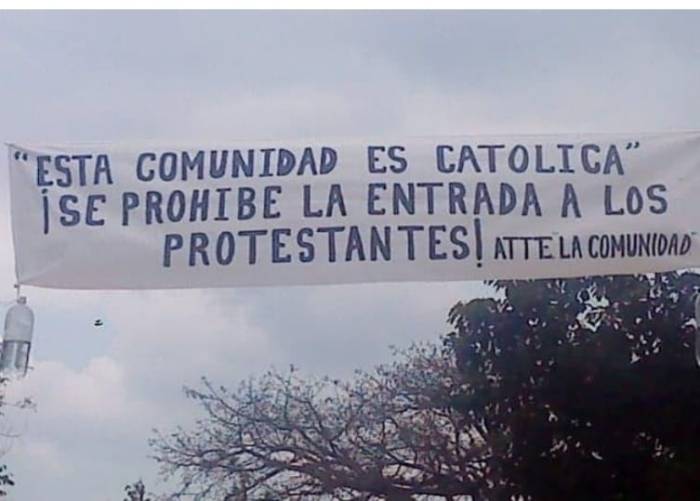
A sign prohibiting the entry of Protestants into the community of Cuamontax in Huazalingo Municipality of Hidalgo State, Mexico.

La revictimización en la búsqueda de solución a los conflictos relacionados con la libertad religiosa

Uriel Badillo es un de padre de familia que se ha visto afectado por la falta de libertad religiosa en la comunidad de Cuamontax, en el municipio de Huazalingo, en el estado mexicano de Hidalgo. Su padre Gilberto Badillo, nativo de la comunidad, se convirtió al cristianismo en 2009, y en 2010 hizo pública su nueva fe ante su comunidad cuando comenzó a realizar estudios bíblicos e invitar a personas a su casa.  

La comunidad prohibió estas actividades y colocó una pancarta en la entrada del pueblo que decía explícitamente: “Se prohíbe la entrada a protestantes”, que permaneció hasta 2021.  Tuve la oportunidad de verlo en una visita al estado de Hidalgo en 2020.

La religión mayoritaria en Cuamontax es la católica romana; celebran fiestas y celebraciones para varios santos durante el año, pero la fiesta más importante en el área que dura una semana es el “Xantolo”1 (Día de los Muertos) y todos los miembros de la comunidad deben participar individual y financieramente.

Continue reading “La revictimización en la búsqueda de solución a los conflictos relacionados con la libertad religiosa”
A sign prohibiting the entry of Protestants into the community of Cuamontax in Huazalingo Municipality of Hidalgo State, Mexico.

Chhattisgarh: un estado donde las minorías religiosas viven con miedo

Cinco meses después de la violencia que una turba provoco y que obligó a cientos de cristianos de la zona tribal de Chhattisgarh a huir de sus hogares, las víctimas dicen que están de vuelta en casa y a salvo por ahora, pero siguen viviendo con miedo.

El 18 de diciembre de 2022, se informaron sobre más de 20 incidentes de violencia anticristiana en varias aldeas de los distritos de Kondgaon y Narayanpur de Chhattisgarh. Los lugareños afirmaron que los presionaron para que abandonaran su religión y que, si se negaban, los golpeaban brutalmente, destrozaban sus casas y destrozaban sus cultivos.

Según informes que surgieron más tarde, cerca de mil cristianos se vieron obligados a huir de sus hogares y buscar refugio en los distritos vecinos. Algunos tuvieron que caminar cientos de kilómetros para buscar refugio en un estadio cubierto.

Continue reading “Chhattisgarh: un estado donde las minorías religiosas viven con miedo”
A sign prohibiting the entry of Protestants into the community of Cuamontax in Huazalingo Municipality of Hidalgo State, Mexico.

Chhattisgarh: A state where religious minorities live in fear

Five months after the mob violence that forced hundreds of Christians from Chhattisgarh’s tribal belt to flee their homes, victims say they are back home and safe for now, but they continue to live in fear.

On 18 December 2022, more than 20 incidents of anti-Christian violence were reported in various villages of Chhattisgarh’s Kondgaon and Narayanpur districts. Locals claimed that they were pressured to leave their religion and if they refused, they were beaten up badly, their homes were vandalised and their crops were destroyed.

According to reports that emerged later, close to a thousand Christians were forced to flee their homes and seek shelter in neighbouring districts. Some had to walk hundreds of kilometres to seek shelter in an indoor stadium.

Continue reading “Chhattisgarh: A state where religious minorities live in fear”
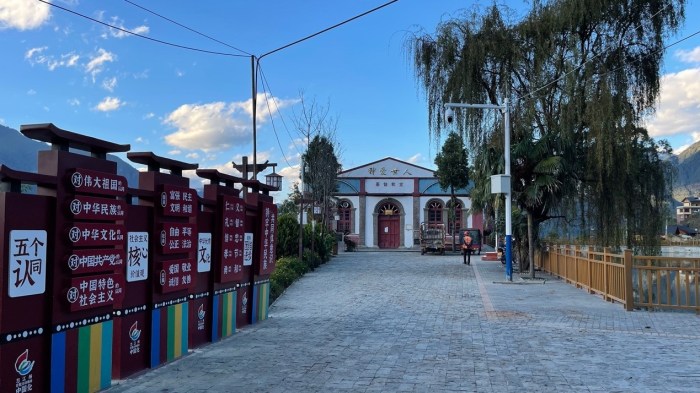
A series of political slogan boards erected outside Laomudeng Church in Yunnan, China.

“云南经验”表明中国各宗教团体和少数族群的处境将会更艰难

王顺平、怒桑邓、三罗波、华秀霞和董梦汝被关押了九个月。

他们的罪行是什么?他们在中国云南省怒江傈僳族自治州福贡县的一处出租屋内举行了几次基督教聚会,向一群年轻人教授吉他和赞美诗。

尽管他们于57日被保释,但当局仍未撤销对其“组织赞助非法聚集罪”的指控。

这五名基督徒服务于怒族社区,其中三名男子是怒族传道人。怒族是中国当局正式承认的56个民族之一。当地以西方传教士活动的历史而闻名,信仰基督教新教的人口比例较大。而在云南全省,佛教、道教、伊斯兰教、基督教、民间少数民族信仰并存。

Continue reading ““云南经验”表明中国各宗教团体和少数族群的处境将会更艰难”
A series of political slogan boards erected outside Laomudeng Church in Yunnan, China.

‘The Yunnan Model’ could be an indicator that life is going to get even harder for religious and ethnic groups across China

Wang Shunping, Nu Sangdeng, San Luobo, Hua Xiuxia and Dong Mengru spent the past nine months in detention.

Their crime? Holding a handful of Christian gatherings and teaching guitar and hymns to a group of young people in their rented home in Fugong County in the Nujiang Lisu Autonomous Prefecture of China’s Yunnan Province.

Though they were released on bail on 7 May, the charges against them relating to ‘organising and sponsoring an illegal gathering’ are yet to be dismissed.

All five individuals – three men and two women – work among the ethnic Nu community, one of the 56 ethnic groups officially recognised by the Chinese authorities; the three men are Nu ethnic preachers. In China, the majority of the Nu live in Yunnan, where a significant history of Western missionary activity has resulted in a large Protestant Christian population alongside the majority religions of Buddhism and tribal animism.

Continue reading “‘The Yunnan Model’ could be an indicator that life is going to get even harder for religious and ethnic groups across China”