All posts

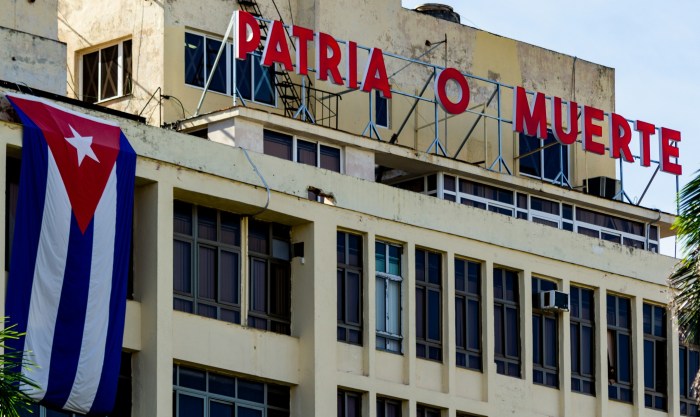
Un pastor fue arrestado por videos en YouTube, un niño detenido durante días, un país en crisis. ¿Qué está pasando en Cuba?

El 15 de marzo, el Pastor Rolando Pérez Lora fue arrestado frente a su familia en un parque de Peñas Altas, Matanzas, en el norte de Cuba, momentos después de haber terminado de subir un video de enseñanza bíblica a su canal de YouTube.

No está claro para la policía política que arrestó al pastor, qué delito había cometido. El pastor Pérez declaró a CSW que todas las semanas graba y sube videos en ese parque, porque es uno de los dos únicos lugares públicos con zona wifi en la ciudad. Normalmente su esposa, Gelayne Rodríguez Ávila, lo acompaña y a menudo ora por quienes se reúnen para escuchar y después suelen pedir oración.

Un video grabado por la Sra. Rodríguez muestra a su esposo siendo forzado por dos agentes a entrar en una patrulla, mientras él protesta: «Me están maltratando sin motivo. No he hecho nada malo», mientras se oyen los llantos de sus hijos pequeños de fondo.

Continue reading “Un pastor fue arrestado por videos en YouTube, un niño detenido durante días, un país en crisis. ¿Qué está pasando en Cuba?”
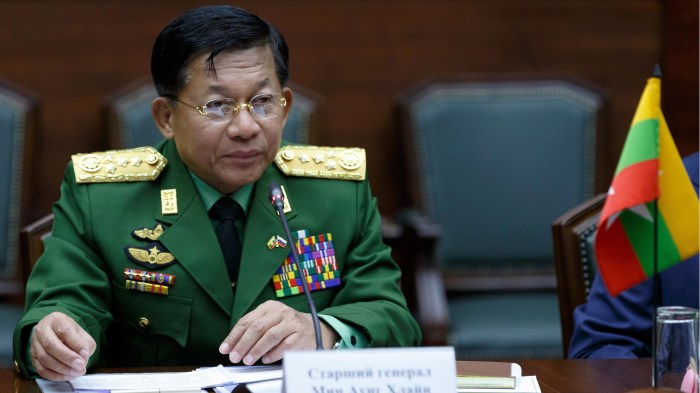
Whether as president or army chief, Myanmar’s Min Aung Hlaing isn’t going anywhere. What are his credentials?

Earlier this month reports emerged that Myanmar’s military ruler, Senior General Min Aung Hlaing, may step down as army chief within a matter of weeks. Given the atrocities he has presided over since his military seized power in a coup in February 2021, and indeed for many years before then, on the surface one may consider that a positive development.

But Min Aung Hlaing isn’t going anywhere.

Myanmar’s 2008 constitution requires the posts of president and army chief to be held by different people, and it is only with his eyes on the former that Min Aung Hlaing would ever let go of the latter. Since July 2024 he has officially held the title of Acting President, exercising presidential duties through the National Defence and Security Council (NDSC), and at present continuing to use this to bypass the constitutional restrictions.

Continue reading “Whether as president or army chief, Myanmar’s Min Aung Hlaing isn’t going anywhere. What are his credentials?”

The continued killing of Alawites and Druze highlights persistent obstacles to an inclusive Syria

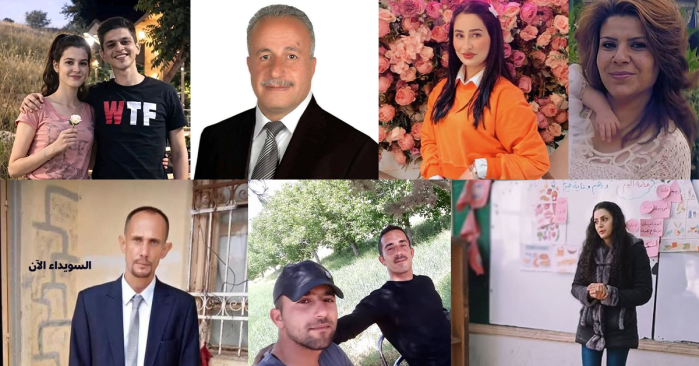
An engaged Alawite couple shot dead at close range by masked men on a motorcycle. A Christian schoolteacher – likely mistaken for an Alawite – fatally shot in the head in the same neighbourhood days later. Five Druze civilians murdered by a policeman in an unprovoked attack whilst they were tending their olive fields. Four Alawites killed and another severely injured when fired upon whilst entering a taxi outside the hospital where most of them worked.

The reports of sectarian violence coming out of Syria in this year alone highlight the challenges that lay before the country’s transitional government and its interim president, Ahmed al-Sharaa, if they are to make good on their promises of justice and inclusivity.

Both the Alawite and Druze communities in particular have witnessed a significant increase in tensions and clashes with Syria’s Sunni majority since the fall of the Assad regime in December 2024, with this resulting, in some cases, in violence that has claimed thousands of lives.

Continue reading “The continued killing of Alawites and Druze highlights persistent obstacles to an inclusive Syria”

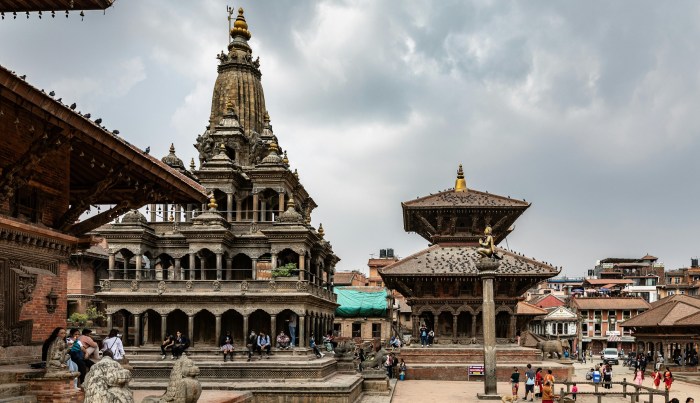
What’s at stake in Nepal’s general election: An interview with a pastor and human rights defender

As Nepal prepares to head to the polls on 5 March, the nation finds itself at a profound crossroads. This general election follows a period of significant political upheaval, including the youth-led protests of 2025 that led to the dissolution of the previous government and the appointment of an interim cabinet. For the approximately 18.9 million registered voters, the stakes extend far beyond economic stability or infrastructure; they touch upon the very identity of the nation.

The following Q&A conducted with Pastor Tanka Subedi, a human rights defender and entrepreneur based in Kathmandu, explores the intricate intersection of religion or belief and politics, examining how the upcoming vote might reshape every Nepali’s right to freedom of religion or belief (FoRB).


For readers outside Nepal, how would you describe the country’s religious mix today?

In general, people in Nepal coexist relatively peacefully with followers of other religions, provided that members of their own family or close community are not perceived to be converting. Tensions may arise when organised groups or individuals mobilise sentiment against another religion. Many Hindus consider Buddhists, Kirat, and Masto traditions as part of the broader Hindu cultural framework, and adherents of these traditions often accept this understanding. Islam is largely tolerated within society. Christianity, however, is frequently perceived as a foreign religion, which contributes to social suspicion and sensitivity around its growth.

Continue reading “What’s at stake in Nepal’s general election: An interview with a pastor and human rights defender”

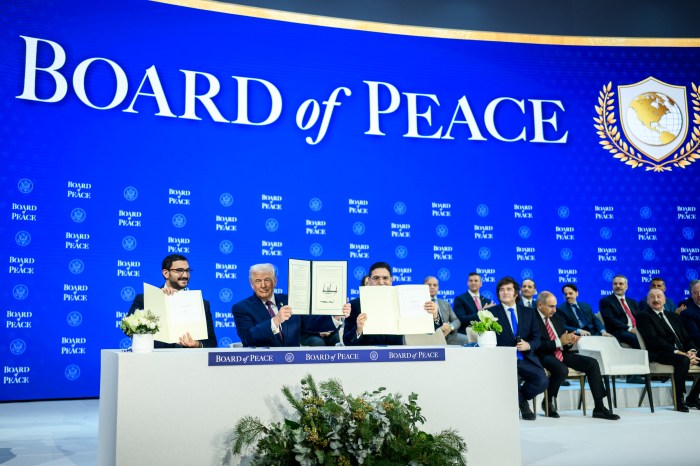
Es poco probable que la Junta de Paz de Estados Unidos solucione las deficiencias del actual orden internacional

La Junta de Paz del presidente de Estados Unidos, Donald Trump, establecida formalmente en el marco del Foro Económico Mundial en enero de 2026, se presenta como una organización intergubernamental con el mandato de llevar a cabo funciones de consolidación de la paz en virtud del derecho internacional. Sin embargo, a las pocas semanas de su creación, han surgido múltiples preocupaciones sobre su probable impacto en el sistema internacional y el marco de derechos humanos, con claras implicaciones para situaciones de crisis graves en todo el mundo, incluyendo Gaza y Sudán.

En primer lugar, a pesar de que la organización se presentó inicialmente como un medio para implementar el plan de alto al fuego de Gaza, consagrado en el Consejo de Seguridad de la ONU, resolución 2803, la carta de la junta no menciona a Gaza y, en cambio, detalla un mandato que posiblemente podría socavar el derecho internacional, incluso suplantando responsabilidades cruciales de las Naciones Unidas (ONU), y al mismo tiempo potencialmente impactar su crisis de liquidez.

Ciudadanos almenos de la mitad de los países que se han unido a la junta hasta la fecha, se ven afectados por las prohibiciones de viaje a Estados Unidos impuestas por la administración Trump. La junta también parece haber sido creada con un sistema de pago por participación, sin una supervisión clara de las cuotas de membresía, nominalmente voluntarias, de la organización, en particular la cuota de 1000 millones de dólares para obtener la membresía permanente. Esto plantea la posibilidad de un posible orden mundial en el que el acceso a la justicia y la promoción, protección y cumplimiento de los derechos humanos dependan de la riqueza de una nación, su capacidad militar y, en última instancia, su prestigio ante el presidente de Estados Unidos.

Continue reading “Es poco probable que la Junta de Paz de Estados Unidos solucione las deficiencias del actual orden internacional”