All posts

“Un nuevo frente” en búsqueda de la justicia en Cuba

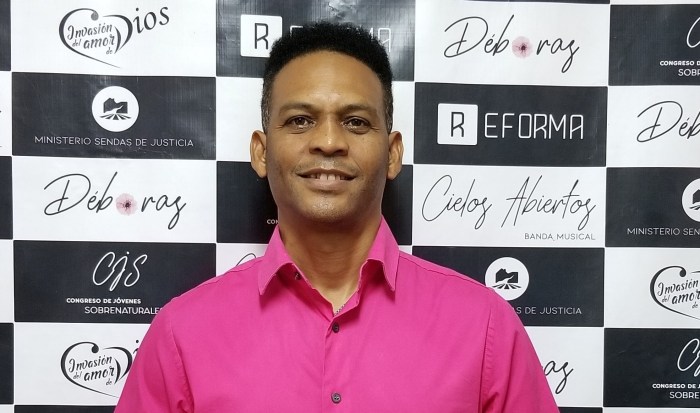
En la noche del 28 de febrero, la policía cubana y agentes de la Seguridad del Estado realizaron un allanamiento, apresando a un hombre al que buscaban desde hacía 44 días. Lo llevaron a un centro de interrogatorios y le dieron un ultimátum: Abandonar el país en una semana o pasar los próximos 30 años en una prisión de máxima seguridad. A principios de marzo, el hombre se despidió de su esposa y de su pequeña hija y abordó un avión rumbo a Europa. Dieciocho horas después, presentó una solicitud formal de asilo en Suiza.

El hombre no había cometido ningún acto de violencia, ni había robado nada. Él es un pastor. Su único delito fue haber extendido su labor pastoral para alcanzar y orar con las familias de los presos políticos.

El gobierno cubano ha temido durante mucho tiempo cualquier vínculo entre grupos religiosos y disidentes políticos y, durante décadas, ha hecho un gran esfuerzo para mantener a ambos lo más separados posible. Esta es en parte, una estrategia general para aislar socialmente a todos aquellos que considera disidentes, incluidos activistas políticos, defensores de los derechos humanos y periodistas independientes, con el fin de debilitarlos y, en última instancia, neutralizarlos. Sin embargo, es también, lo admita o no alguna dirigencia del Partido Comunista de Cuba, un reconocimiento del poder que se produce por la combinación de la espiritualidad con la lucha por la justicia y la libertad.

Continue reading ““Un nuevo frente” en búsqueda de la justicia en Cuba”
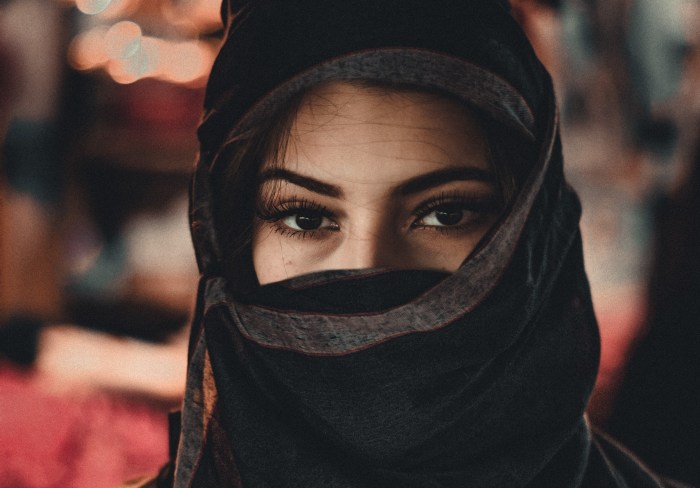
India’s hijab controversy is forcing Muslim girls to choose between their education and their faith

Over the past month, the Indian state of Karnataka has been in the news as protests related to a ban on Muslim students wearing the hijab (headscarf) in the classroom escalated and spread across the state. 

The tensions led to violent clashes between those supporting the ban and those against it, drastically affecting the education of students who have already been hit by the pandemic. 

Background

The controversy began on 28 December 2021 when authorities of an educational institution in Udipi, Karnataka banned six Muslim girls from entering with their hijabs (headscarves) on. One of the students filed a petition in the Karnataka High court demanding the right to wear the hijab under Article 14 of the Indian constitution, which recognises equality and equal protection under the law, and Article 25, which stipulates that all citizens have the right to freely profess, practise and propagate religion. 

Continue reading “India’s hijab controversy is forcing Muslim girls to choose between their education and their faith”

«La iglesia se quedó sin templo» – La historia de Alain Toledano Valiente.

«Nos desalojaron por primera vez en el año 2007. Los del Gobierno irrumpieron en nuestra casa [y] nos echaron a la calle – tomaron todo lo que nos pertenecía y lo arrojaron a la calle. Nos quedamos sin hogar. Al mismo tiempo, el Gobierno demolió nuestro templo, nuestra Iglesia Emanuel. Destruyeron el suelo y se lo llevaron. Dejaron todo el lugar en ruinas. Confiscaron nuestro terreno. Esta fue la primera agresión de esa escala. Destruyeron y tomaron todo lo que nos pertenecía, nuestras posesiones familiares, nuestro equipo de sonido e instrumentos musicales. Todo lo que la iglesia tenía nos fue arrebatado a la fuerza, se llevaron todos nuestros aparatos tecnológicos. La iglesia fue despojada de su terreno, su propiedad y posesiones, se quedó sin un templo y nosotros nos quedamos en la calle sin hogar».

Pastor Alain Toledo Valiente en una entrevista con CSW, septiembre de 2020.

Menos de diez años después, la iglesia Emanuel en Santiago de Cuba fue sometida a un segundo gran ataque. A las cinco de la madrugada del cinco de febrero de 2016, militares, agentes de seguridad del Estado y agentes policiales rodearon la propiedad donde la iglesia estaba ubicada y donde la familia Toledano vivía. El pastor Toledano se encontraba en el extranjero en ese momento, pero su esposa fue llevada bajo custodia por las autoridades gubernamentales y la mantuvieron incomunicada durante el tiempo que duró la demolición —desde las cinco de la mañana hasta las siete de la tarde— También fueron detenidos alrededor de 40 miembros, y la iglesia junto con la casa fueron demolidas.

Estos incidentes —las demoliciones de noviembre de 2007 y de febrero de 2016— constituyen dos hilos sombríos del gran entramado perturbador de avasallamientos por parte de las autoridades cubanas hacia el pastor Toledano, que han continuado a lo largo de dos décadas. Más de seis años después de la segunda demolición que sufrió la iglesia, los ataques hacia el pastor Toledano, su iglesia y su derecho como congregación a un templo continuaron acrecentándose.

Continue reading “«La iglesia se quedó sin templo» – La historia de Alain Toledano Valiente.”

A hero of the faith: Remembering Shahbaz Bhatti

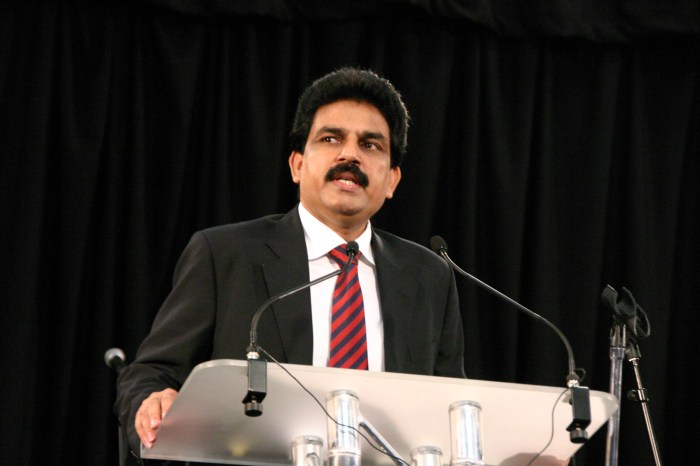
On 2 March 2011 Shahbaz Bhatti, Pakistan’s Minister for Minorities Affairs, was assassinated as he left his mother’s house in Islamabad. He had spent his life dedicated to standing up and speaking out for marginalised and vulnerable minorities in Pakistan, and his legacy is still felt today.

On the 11th anniversary of his assassination, Mr Bhatti’s nephew David writes about his uncle’s life and legacy, and the situation for minorities in Pakistan today:

On a recent trip to Rome, Italy, I was able to tour the Basilica di San Bartolomeo all’Isola. For the last twenty years, this ancient church has been dedicated to the memory of Christian martyrs of the 20th and 21st centuries. Pilgrims and tourists from around the world go there to learn about and gain inspiration from individuals who – from Africa to South America, through Communism and Nazism – made the ultimate display of self-sacrificial love in the face of tyranny and evil.

On my visit, I was able to once again see, after eleven years, my uncle Shahbaz Bhatti’s bible which is displayed alongside the relics of the New Martyrs of Asia, Oceania, and the Middle East. This was the very bible that I would see on his nightstand on my visits to Pakistan – the book in which he would be immersed every morning, through which he gained his strength, and by which he lived his life. Today, it serves as an enduring symbol of his legacy: of his unwavering dedication to serving others and of his faithful and fearless pursuit for justice.

Continue reading “A hero of the faith: Remembering Shahbaz Bhatti”

Attacked, harassed and ostracised: Christians in India continue to suffer as the country slides further still into ethno-religious nationalism

Last week, the Religious Liberty Commission of the Evangelical Fellowship of India (EFI) released its annual report on Hate and Targeted Violence against Christians in India in 2021. It documented 505 individual incidents of violence across the country in 2021, including three murders, as well as other forms of harassment against Christians including disruption to worship services, social boycott and ostracisation, and forced conversion to Hinduism.

The report states: “No denomination – whether organized or a lonely independent worshipping family or neighborhood group – none has been spared targeted violence and intense, chilling hate, the worst seen since the general election campaign of 2014. The year 2021 saw calls for genocide and threats of mass violence made from public platforms, and important political and religious figures on the stage.”

Reverend Vijayesh Lal, General Secretary of the EFI, spoke to CSW about various issues facing Christians in the country today:

Continue reading “Attacked, harassed and ostracised: Christians in India continue to suffer as the country slides further still into ethno-religious nationalism”