All posts

Uncertainty for Religious Minorities as Nepal Celebrates First Anniversary of its Constitution.

Notes to Editors: The eight Christians in Charikot, eastern Nepal were acquitted of all charges on 6 December 2016


“For the last two years we have been unsure about how long the doors will be open for us to practise our faith freely. We were not expecting this level of harassment”. Tanka Subedi, Christian leader and human rights defender, Kathmandu, Nepal

On 21 September, eight Christians in Charikot, eastern Nepal will attend their next (and possibly final) court hearing – one day after Nepal marks the first anniversary of the promulgation of its long awaited constitution. They all face charges of attempting to convert children to Christianity through the distribution of a comic book which explains the story of Jesus.
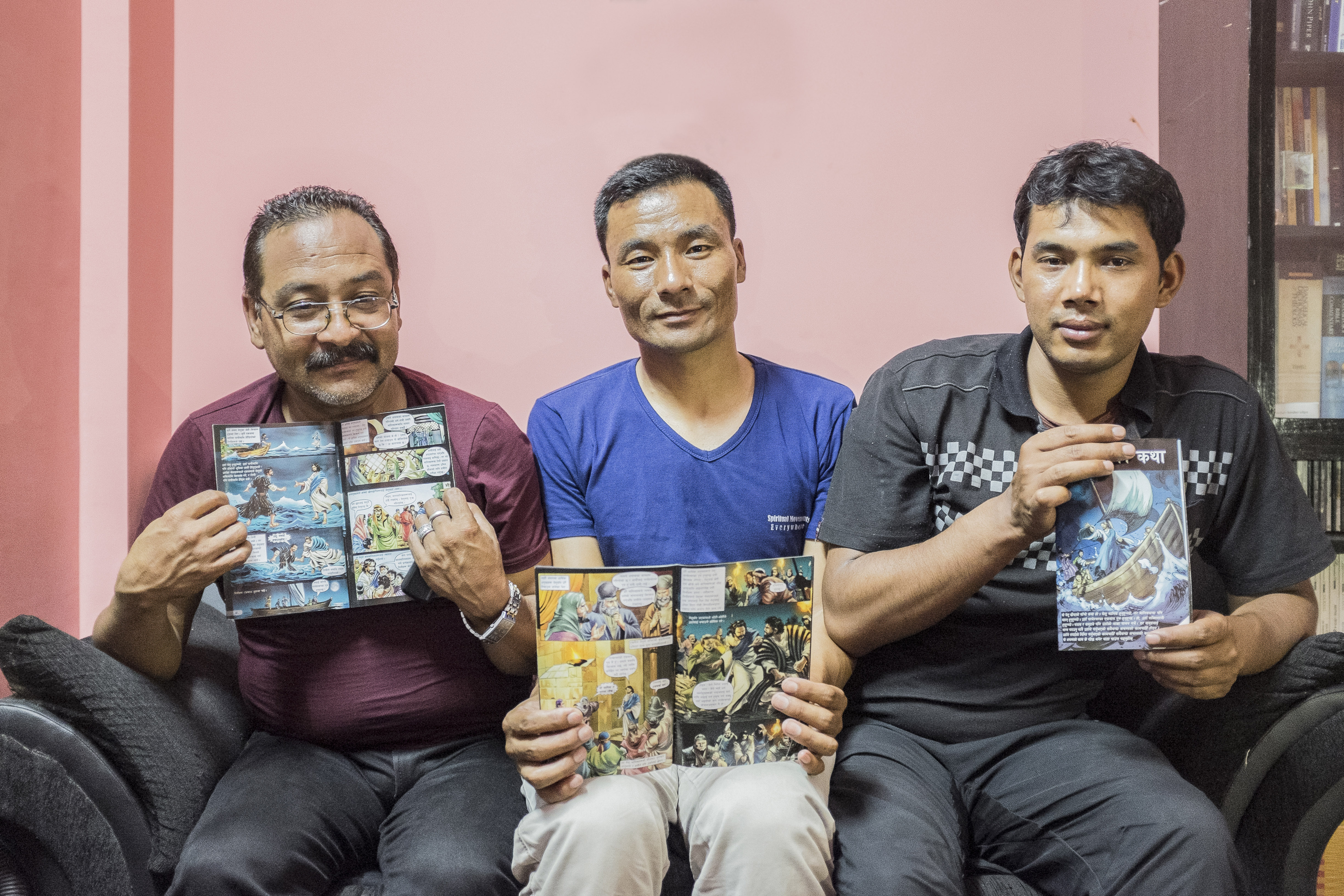
Bimal Shahi, Prakash Pradhan and Shakti Pakhrin of the Charikot group spent together 9 days in jail accused of illegal conversation because of the distribution of a small pamphlet "The Great story" with the story of Jesus explained for children
Bimal Shahi, Prakash Pradhan and Shakti Pakhrin from Charikot holding copies of “The Great Story”comic book. Photo Credit: Giulio Paletta/CSW 2016, Nepal

The arrests took place in June 2016, following two trauma counselling sessions organised by Teach Nepal, a Kathmandu-based non-governmental organisation (NGO). The sessions sought to address the psychological needs of children affected by the earthquakes that hit Nepal in April 2015 and were held on 8 and 9 June in two schools in Charikot: Modern Nepal School and Mount Valley Academy. When they finished, the organisers distributed a small gift pack to the children, which included a handkerchief and a 23-page comic book entitled The Great Story.

Continue reading “Uncertainty for Religious Minorities as Nepal Celebrates First Anniversary of its Constitution.”
In Depth: The Process of Church Confiscations in Cuba

Update: In May 2017 CSW received further information on the status of the AoG churches. Please read the latest information here.


In August 2016, CSW’s latest report on Freedom of Religion or Belief (FoRB) in Cuba detailed FoRB violations including the destruction of church property, arbitrary detention and harassment of religious leaders, and the demolition and confiscation of church buildings.

There has been some misreporting in the media about the situation concerning churches belonging to the Assemblies of God (AoG) denomination, in particular the situation regarding 1,400 AoG churches that are in the process of being expropriated by the government; 100 of which are under threat of demolition.

As CSW’s report explains, between January and July 2016 there was a continuation of serious FoRB violations in Cuba: “In line with previous years, these religious freedom violations are predominantly carried out by Cuban government officials and the Office of Religious Affairs (the ORA), and take place in many regions throughout the island.”

Continue reading “In Depth: The Process of Church Confiscations in Cuba”

Can the UN be true to its democratic principles without reforming the NGO Committee?

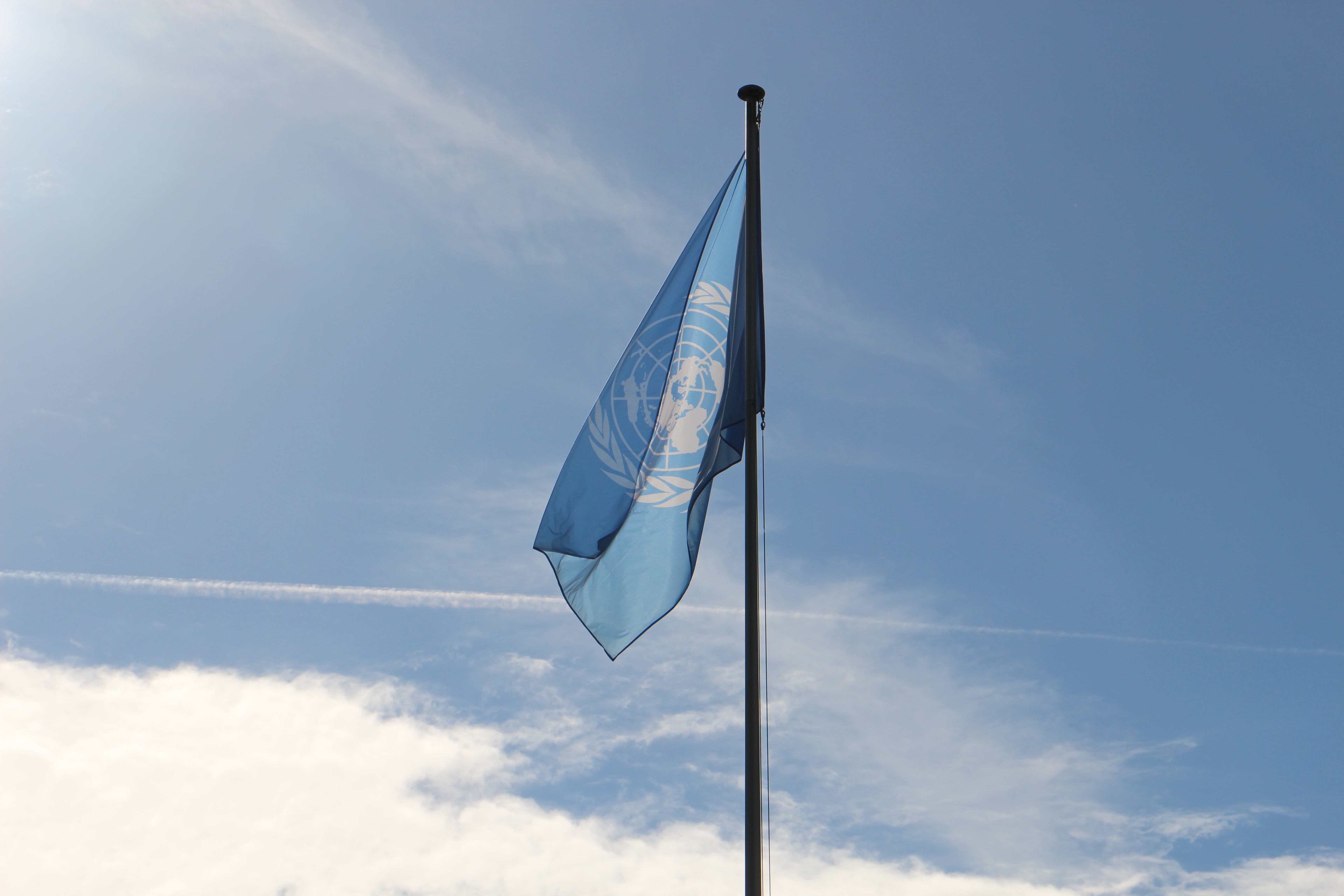
3_un-flag

Broad participation and representation, including vibrant civil society participation, are essential prerequisites for democratic development. However, as the United Nations (UN) marks the International Day of Democracy today, it is clear that the UN system faces severe internal challenges on this front.

Importance of ECOSOC NGO Committee

The access a number of NGOs have to the UN has been continuously blocked by the The Economic and Social Council (ECOSOC) Committee on NGOs through arbitrary deferrals and denial of ECOSOC consultative status.

Continue reading “Can the UN be true to its democratic principles without reforming the NGO Committee?”

In the Lead up to the G20 Summit, Questions Must be Asked About the Direction China is Taking.

When leaders of the G20 nations arrive in Zhejiang Province, China, next week for the G20 summit, they will be greeted by a different skyline than they might have seen five years ago.

The sky scrapers and shopping malls that have become the hallmark of China’s phenomenal economic growth will still be there, but the bright red Christian crosses which were once just as much a feature of Zhejiang have been taken down.

Removal of crosses in Zhejiang Province

Hundreds of crosses have been removed by the authorities since early 2014, as part of a campaign allegedly introduced to rid the province of structures which violate building regulations. Under draft regulations, crosses now have to be flat against outer walls, and their size and colour are restricted. The authorities have sometimes employed violent tactics in the face of protests by church members. Christian leaders who have opposed the cross removals through letters or peaceful gatherings have been arrested and accused of economic crimes.

It may be no coincidence that the site of the cross removal campaign is the same province selected to host the G20.

Continue reading “In the Lead up to the G20 Summit, Questions Must be Asked About the Direction China is Taking.”

Enforced Disappearance: No Answers, No Accountability

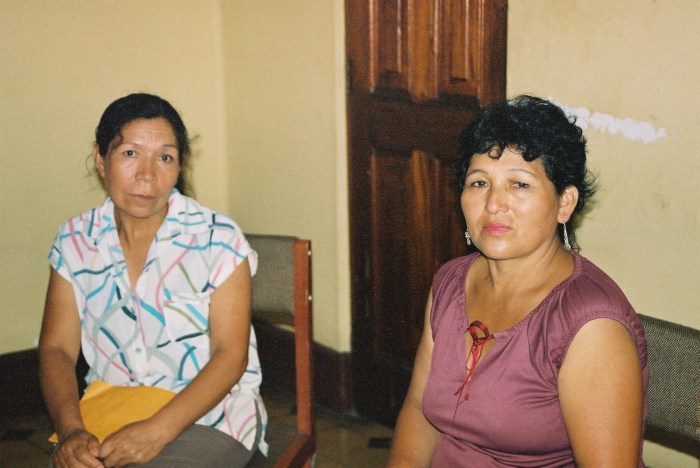
Pictured: Widows Donatilda and Adalgiza

Ten years ago I sat in a small, hot room in Trujillo, Peru with a colleague and three women each clutching a folder. They held the folders as if they contained a fortune, and we leaned forward as one by one they carefully opened their folder to show us the precious contents. There were a few old photographs and scores of documents peppered with government stamps. When they finished, each woman closed her folder, looked at us, and said “I still don’t know where he is.”

The three women were talking about their husbands, victims of enforced disappearance. Some twenty years earlier the police had taken their husbands somewhere, making assurances to their young wives that they just needed to ask them a few questions and they’d soon be home. Days, then weeks, then years went by and their husbands did not return. The women went from police station to police station, then to the prisons, the hospitals and morgues but no one could tell them where they went, or rather, where they had been taken.

As we listened to them, I watched the way they treated the folders, holding them close to their chests, caressing the documents and photos as they showed them to us. I realised why the folders were so precious t them. It was because this was all they had left of their husbands. Without them, it was as if they had never existed at all.

Torturous Hope

Enforced disappearance is one of the cruellest human rights crimes.

There is the crime against the primary victim – who has disappeared – and this is compounded by the crime committed against their families and loved ones who endure years and even decades of wondering what has happened to them.

In the vast majority of these cases, the victim has been killed but the lack of a body or even information about their fate opens the door to hope that maybe they are out there somewhere. Hope, which is something we usually view as a positive thing, is distorted into a kind of torture as their families exhaust all their resources, financial as well as physical and emotional, to try to establish what has happened.

Continue reading “Enforced Disappearance: No Answers, No Accountability”