Call for Action to Address Conflict-Related Sexual Violence in Ethiopia’s Tigray Region from Women from Africa and of African Descent

As women from Africa or of African descent, we are marking the International Day for the Elimination of Sexual Violence in Conflict by signing this open letter in solidarity with the women and girls in the Tigray region of Ethiopia, who are being targeted in a campaign of sexual violence which the UN Special Representative on Sexual Violence in Conflict has described as being of “a level of cruelty beyond comprehension.”

During a disturbing briefing to the Nations (UN) Security Council in April, the UN Under-Secretary-General for Humanitarian Affairs and Emergency Relief Coordinator Sir Mark Lowcock reported an unspecified agency operating in Tigray had estimated that 30% of all incidents against civilians involved sexual violence, which he confirmed is being used “as a weapon of war, as a means to humiliate, terrorize and traumatize an entire population today and into the next generation.” The perpetrators were identified as members of the “Ethiopian National Defence Forces, Eritrean Defence forces, Amhara Special Forces, and other irregular armed groups or aligned militia,” and nearly a quarter of the cases involved gang rape over an extended period of time.

Reports continue to emerge from Tigray of wives being raped in front of their husbands; mothers raped in front of their children and vice versa; family members forced to choose between raping female relatives or death, and of women themselves being forced to choose between rape or death. Several victims report their assailants boasted of “cleansing” their bloodline, while others arrive at medical facilities having suffered additional traumatic injuries to their reproductive organs inflicted by attackers to prevent them from bearing children. Researchers from Ghent University in Belgium have concluded this campaign of mass rape fits “a pattern that has been evident in previous genocidal actions, and [is] reminiscent of events in Bosnia and Rwanda.”

Continue reading “Call for Action to Address Conflict-Related Sexual Violence in Ethiopia’s Tigray Region from Women from Africa and of African Descent”
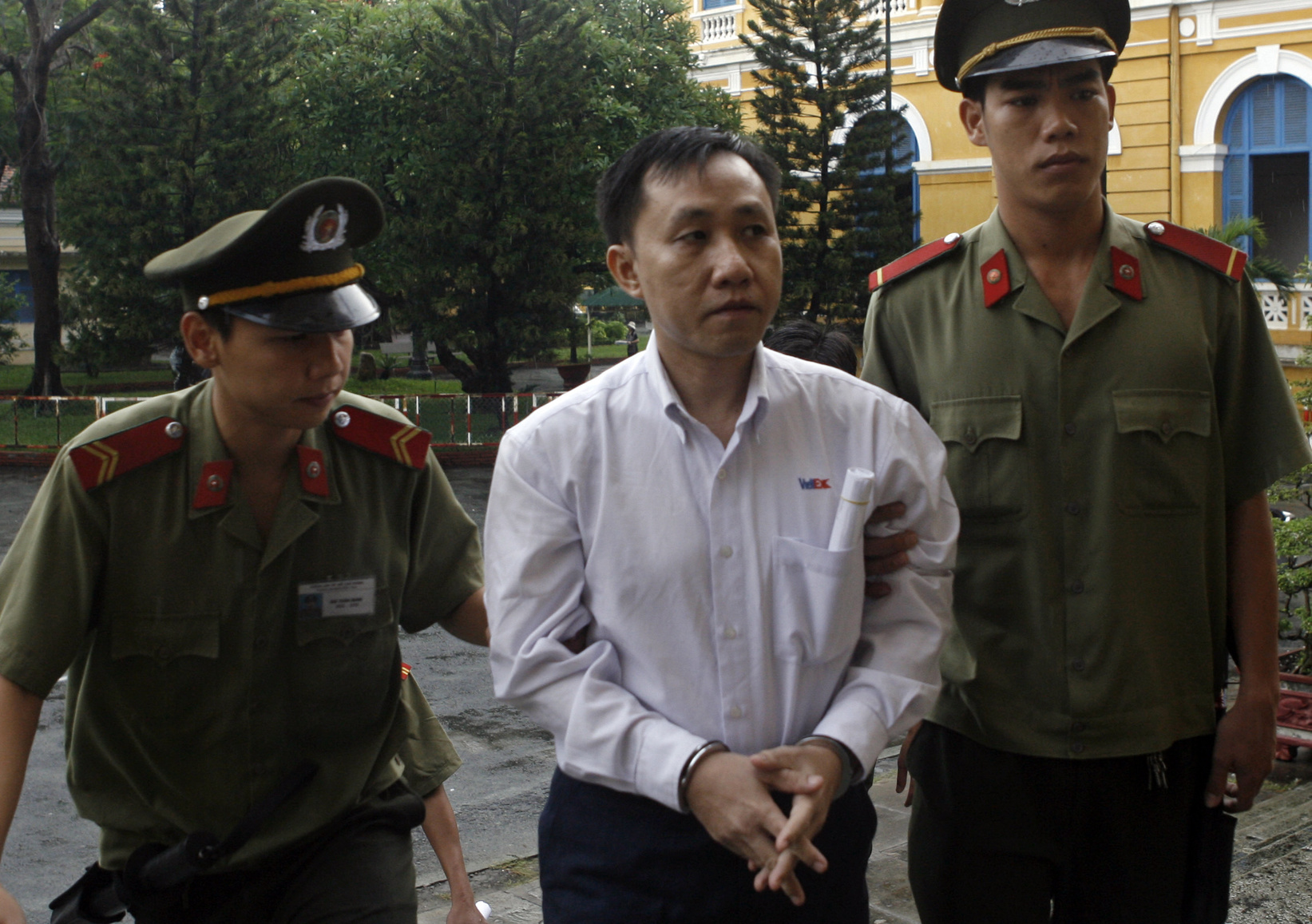
Recognising the remarkable: A call for the release of Nguyen Bac Truyen

“He never refused anyone who needed his assistance… He was doing his work with much humility… I believe that he belongs to a human category that could not ignore any injustices that happened around him.”

Vu Quoc Dung, human rights defender with Veto!

“He is a man of honour, admired and respected by many”

A supporter1 of Nguyen Bac Truyen

“Standing up for one’s own community is admirable; but standing up on behalf of others, when you yourself are being oppressed – that is truly courageous.”

Ed Brown, Secretary-General at Stefanus Alliance International
Continue reading “Recognising the remarkable: A call for the release of Nguyen Bac Truyen”

Derribando el “muro del miedo” de Cuba

Ningún derecho humano fundamental existe aisladamente. Hay superposiciones y enlaces significativos entre todos los derechos humanos, por ejemplo, los relacionados con la libertad de religión o creencia (LdRC), la libertad de expresión, y la libertad de asamblea. Estos tres derechos se ubican juntos en los Artículos 18, 19 y 20 de la Declaración Universal de Derechos Humanos de las Naciones Unidas.

Durante el año pasado, y sobre todo en meses recientes, estos derechos relacionados entre sí han sido crecientemente atacados en Cuba, durante manifestaciones pacíficas de miembros de la sociedad civil independiente, como artistas y periodistas que además se identifican con una religión o creencia en particular. Estos grupos se mantiene protestando de diferentes maneras hasta el día de hoy, solicitando reformas legales y políticas, sobre todo en contra del Decreto Legal 370 y el Decreto Legal 349.

El Decreto Legal 349 entró en vigor en el 2018 y otorgó al gobierno control extensivo sobre toda forma de expresión artística en la isla, especificando incluso que cualquier actividad artística tendrá que ser aprobado por adelantado por el Ministerio de Cultura. Inmediatamente, muchos ciudadanos cubanos expresaron preocupaciones por que la ley esencialmente apagaría la libertad de expresión en Cuba, si solamente se permitiera la existencia del arte que haya sido aprobado por el gobierno. En el mismo año un grupo de artistas, periodistas y académicos se unieron para formar el Movimiento San Isidro para protestar de manera pacífica y creativa ante la censura oficial de la expresión artística en la isla.

Continue reading “Derribando el “muro del miedo” de Cuba”

Tearing down Cuba’s ‘wall of fear’

No single fundamental human right exists in isolation. There is a significant overlap and interlinking of all rights, exemplified in the relationship between freedom of religion or belief (FoRB), freedom of expression and freedom of assembly. These three rights sit side by side in Articles 18, 19 and 20 of the United Nations Universal Declaration of Human Rights. 

Over the past year, and especially in recent months, these related rights have increasingly come under attack in Cuba, as members of independent civil society including artists and journalists, some of whom identify with a particular religion or belief, have maintained calls for legal and political reform, in particular coalescing around protests of Legal Decree 370 and Legal Decree 349.

Legal Decree 349 came into force in 2018 and gave the government extensive control over all artistic expression on the island, including mandating that any artistic activity had to be approved in advance by the Ministry of Culture. At the time, many Cubans expressed concern that the law would essentially stamp out freedom of expression in Cuba by only permitting the existence of government approved ‘art’. The same year a group of Cuban artists, journalists and academics came together and formed the San Isidro Movement to peacefully and creatively protest official censorship of artistic expression on the island.

Continue reading “Tearing down Cuba’s ‘wall of fear’”

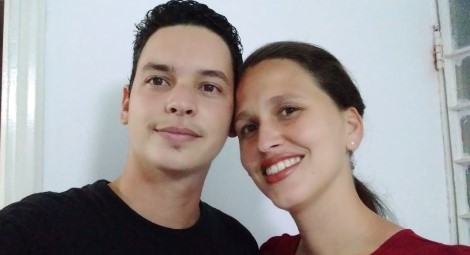
“It is hard to fight your whole life”: An interview with María Antonieta Colunga Olivera

María Antonieta Colunga Olivera is a journalist, the mother of Caleb and the wife of Yoel Suárez, also a journalist and FoRB activist whom she met when she worked as an editor and journalist for the Cuban magazine El Caimán Barbudo. 

Now she works as a communicator in the national office of Cáritas Cuba, a humanitarian aid institution of the Catholic Church. Her husband has written extensively on human rights and freedom of religion or belief, and as a result of his work, he has been subjected to regular harassment by the Cuban authorities. 

CSW spoke with María Antonieta to hear her testimony and highlight her experience.

“The longest hours of my life”

María Antonieta’s husband Yoel was summoned to the Siboney Police Station in Havana for the first time on 5 February 2020. There, he was interrogated for three hours by a state security agent, and informed he’d been subjected to an indefinite travel ban.

Continue reading ““It is hard to fight your whole life”: An interview with María Antonieta Colunga Olivera”