Suffocating Democracy: The Suppression of NGOs in Egypt

The Secretary-General of the United Nations, Ban Ki Moon, once said, “Civil society is the oxygen of democracy”. If this is the case, then Egypt’s democracy is slowly suffocating.

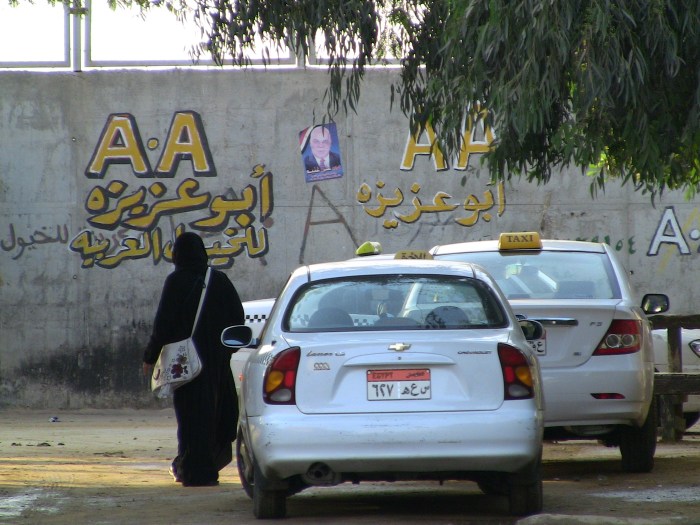
The human rights community in Egypt currently faces an unprecedented risk from what a number of rights activists feel is the worst assault in their history. In addition to the imposition of multiple travel bans, asset freezes and arrests of human rights defenders in the country, the Egyptian Government has also re-opened investigations from 2011 into NGOs they believe have committed the offence of receiving foreign funding.

Investigated, Bound and Gagged

The investigations into both local and foreign NGOs began after the former President Hosni Mubarak’s 30 year rule was ended by a popular uprising in 2011. The investigations were justified by officials at the time on the premise that they were going after organisations funded from abroad which they alleged were working to destabilise the country.

In addition to the re-opening of the investigations, human rights defenders working for these NGOs have been increasingly targeted. They have been summoned for questioning, regularly banned from travel and have had their passports confiscated and their personal and family assets frozen.

To make matters worse, the investigating Judge in the re-opened NGO case, Hesham Abdel Meguid, has issued a legal gagging order that prevents every media outlet in Egypt from publishing any material on the case, aside from official statements issuing from the court. This further compounds the problems Egyptian NGOs are suffering – not only are they being harassed, they are being gagged from talking about being harassed.

Continue reading “Suffocating Democracy: The Suppression of NGOs in Egypt”
From the Darkness into the Light: the Hope for Justice in North Korea

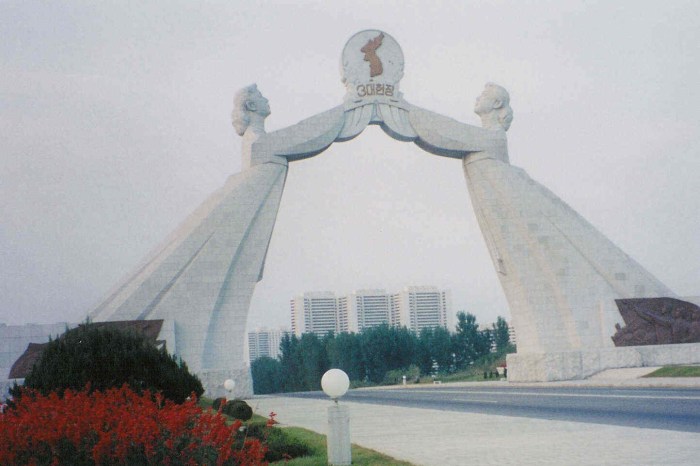
Today, marching, singing and dancing will flood the capital of one the most notoriously secretive and closed nations in the world. 15 April is the “Day of the Sun” in North Korea, one of the most important national holidays in the country because it venerates the late founder and perpetual leader, Kim Il-Sung.

Despite the awesome displays of colourful dance events and firework displays to celebrate Kim Il-Sung’s perceived achievements in creating the ‘revered’ nation, the reality is far from being a day in the sun, but more a descent into darkness.

The ‘Great’ Leader Who Founded a Despotic Regime

Kim Il-Sung, the ‘Father’ of North Korea, was highly instrumental in establishing one of the most authoritarian regimes in the world. Between the late 1940s and early 1990s he oversaw the creation of a country ruled by fear. The Workers’ Party he founded crushed dissent, abducted foreign nationals, created an extremely discriminatory and hierarchical ‘songbun’ caste system, and forcibly detained hundreds of thousands into a hidden prison system, which still subjects North Koreans to forced labour, torture and even execution. Both his son, Kim Jong-Il, and his grandson, Kim Jong-Un have continued the brutal legacy.

Continue reading “From the Darkness into the Light: the Hope for Justice in North Korea”

Dare I speak? Defending freedoms in Bangladesh

The voices of extremism and violence infiltrating Bangladesh’s society have delivered a clear and frightening message: independent expressions on religious issues will not be tolerated.

A pattern of appalling attacks that began in 2013 and took the lives of four secular bloggers in 2015 shocked the nation and caught the attention of international media. The stream of violence reflects a forceful assault on freedom of religion or belief and freedom of expression, theoretically enshrined in Bangladesh’s secular constitution and ratified international conventions.

The need for a clear counter-narrative to fundamentalism

If the values of a secular democracy are to be protected, fundamentalism must be met with a positive counter narrative from governing authorities. Unfortunately, in Bangladesh, neither political leaders nor members of the police force have succeeded in articulating a message of tolerance safeguarding the human rights and freedoms of its citizens.

On 8 August 2015, Niloy Chatterjee was the fourth blogger to be brutally murdered that year following the killings of Avijit Roy on 27 February 2015, Washiqur Rahman Babu on 30 March 2015 and Ananta Bijoy Das on 12 May 2015.

Continue reading “Dare I speak? Defending freedoms in Bangladesh”

The Path to Lasting Peace in Colombia Lies in Learning the Lessons of the Past

“Maybe you who came from the cities to see us can tell us, where did mass displacement come from? Where did this Clan Úsuga come from? Where did any of these things come from? Can you tell us? We do not know.”

The Protestant pastor held his Bible tightly to his chest as he stood and said these words. He and his wife had been forcibly displaced along with a large group from their church, forced to flee their rural village to the relative safety of an urban centre, after receiving threats from Clan Úsuga, a neo-paramilitary group also known as the Urabeños, one of the largest and most powerful violent criminal groups in Colombia.

We were at a meeting with about 15 church leaders who had travelled from across the region which was infested with left-wing guerrilla groups like the Revolutionary Armed Forces of Colombia – Army of the People (FARC-EP) and National Liberation Army (ELN), as well the Urabeños and other neo-paramilitary groups. They all had similar stories to share.  Most, like the pastor who asked these questions, were humble people from the countryside who had dedicated themselves to subsistence farming and their ministry. They are far, far away from the centres of power in Colombia both in terms of geographic distance and influence. Yet, as he expressed, they and the people in their communities are the ones who live and cope daily with the consequences of the decisions and agreements brokered in those centres.

Continue reading “The Path to Lasting Peace in Colombia Lies in Learning the Lessons of the Past”

Youhanabad: This Is Our Land, This Is Our Spirit

For 65 years we have tolerated aggression against us so something must have drastically gone wrong that day for that to happen.’

Walking into Youhanabad on the outskirts of Lahore you notice the busyness of life; children playing, street vendors selling fruit and delicious fried snacks and motorbikes and scooters whizzing pass. Two years ago that the scene was transformed – chaos, carnage and confusion ensued on the morning of Sunday 15th March in 2015 when two suicide bombers approached Christ Church and St John’s Catholic Church and blew themselves up killing 15 and injuring around 70 people. After the bombing a mob was instigated, protest turned into violence and violence resulted in two people being lynched.

‘Within a few minutes victims became aggressors’

Continue reading “Youhanabad: This Is Our Land, This Is Our Spirit”