A sign prohibiting the entry of Protestants into the community of Cuamontax in Huazalingo Municipality of Hidalgo State, Mexico.

Chhattisgarh: A state where religious minorities live in fear

Five months after the mob violence that forced hundreds of Christians from Chhattisgarh’s tribal belt to flee their homes, victims say they are back home and safe for now, but they continue to live in fear.

On 18 December 2022, more than 20 incidents of anti-Christian violence were reported in various villages of Chhattisgarh’s Kondgaon and Narayanpur districts. Locals claimed that they were pressured to leave their religion and if they refused, they were beaten up badly, their homes were vandalised and their crops were destroyed.

According to reports that emerged later, close to a thousand Christians were forced to flee their homes and seek shelter in neighbouring districts. Some had to walk hundreds of kilometres to seek shelter in an indoor stadium.

Continue reading “Chhattisgarh: A state where religious minorities live in fear”
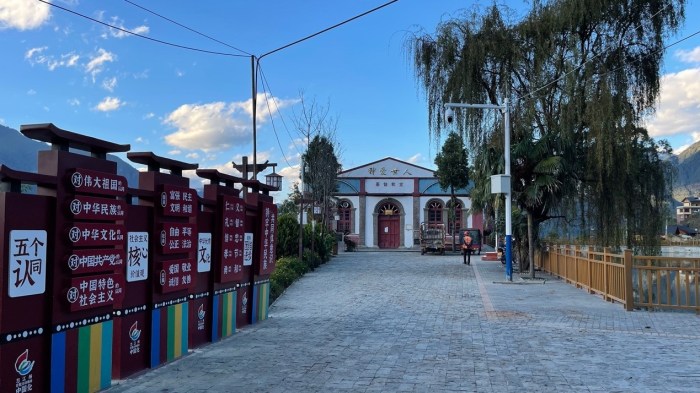
A series of political slogan boards erected outside Laomudeng Church in Yunnan, China.

“云南经验”表明中国各宗教团体和少数族群的处境将会更艰难

王顺平、怒桑邓、三罗波、华秀霞和董梦汝被关押了九个月。

他们的罪行是什么?他们在中国云南省怒江傈僳族自治州福贡县的一处出租屋内举行了几次基督教聚会,向一群年轻人教授吉他和赞美诗。

尽管他们于57日被保释,但当局仍未撤销对其“组织赞助非法聚集罪”的指控。

这五名基督徒服务于怒族社区,其中三名男子是怒族传道人。怒族是中国当局正式承认的56个民族之一。当地以西方传教士活动的历史而闻名,信仰基督教新教的人口比例较大。而在云南全省,佛教、道教、伊斯兰教、基督教、民间少数民族信仰并存。

Continue reading ““云南经验”表明中国各宗教团体和少数族群的处境将会更艰难”
A series of political slogan boards erected outside Laomudeng Church in Yunnan, China.

‘The Yunnan Model’ could be an indicator that life is going to get even harder for religious and ethnic groups across China

Wang Shunping, Nu Sangdeng, San Luobo, Hua Xiuxia and Dong Mengru spent the past nine months in detention.

Their crime? Holding a handful of Christian gatherings and teaching guitar and hymns to a group of young people in their rented home in Fugong County in the Nujiang Lisu Autonomous Prefecture of China’s Yunnan Province.

Though they were released on bail on 7 May, the charges against them relating to ‘organising and sponsoring an illegal gathering’ are yet to be dismissed.

All five individuals – three men and two women – work among the ethnic Nu community, one of the 56 ethnic groups officially recognised by the Chinese authorities; the three men are Nu ethnic preachers. In China, the majority of the Nu live in Yunnan, where a significant history of Western missionary activity has resulted in a large Protestant Christian population alongside the majority religions of Buddhism and tribal animism.

Continue reading “‘The Yunnan Model’ could be an indicator that life is going to get even harder for religious and ethnic groups across China”
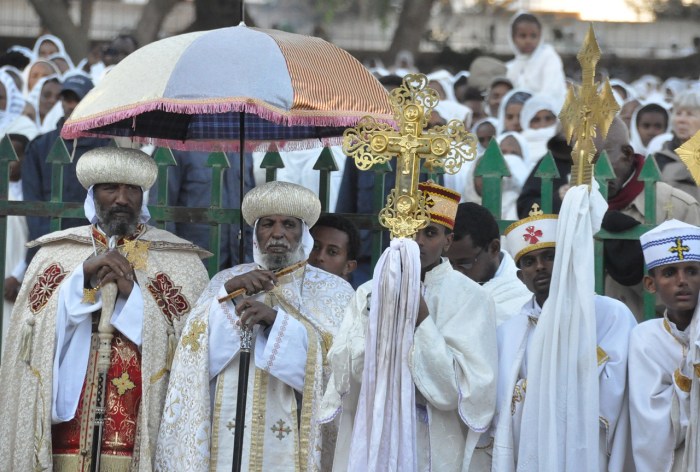
Leaders from the Eritrean Orthodox Tewahedo Church at Timkat Festival in Asmara, Eritrea.

The international community must assist in transforming Eritrea’s pathocracy into a genuine democracy

27 April 1993: Eritrea declares official independence from Ethiopia after a referendum which saw a 98.5% turnout with a 99.83% vote in favour.

The vote took place nearly two years after the defeat of Ethiopian forces in Eritrea in May 1991, which brought with it an end to nearly three decades of civil war. The referendum installed the leader of the Eritrean People’s Liberation Front (EPLF, which later became PFDJ – People’s Front for Democracy and Justice) Isaias Afewerki as president, and it was hoped that he would lead the Eritrean people into a just and democratic future – then-US President Bill Clinton even referred to him as a ‘renaissance African leader’.

Sadly, this did not occur. Afewerki remains the only ruler Eritrea has ever known, and under his leadership the nation’s heroic liberation struggle has been resolutely betrayed due to his obsession with absolute power.

Continue reading “The international community must assist in transforming Eritrea’s pathocracy into a genuine democracy”
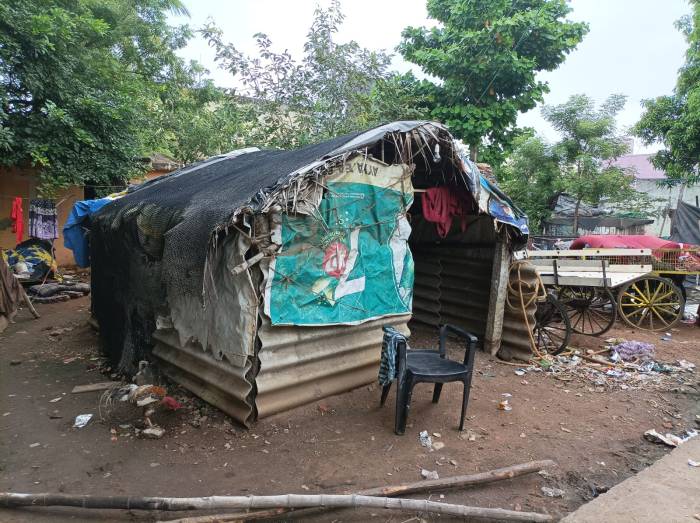
A hut in Mappedu, on the outskirts of Chennai, India.

Los Narikuravar: Una comunidad que necesita protección

En enero de 2023, CSW visitó la comunidad de Narikuravar en Mappedu, en las afueras de Chennai, y se reunió con miembros de una comunidad que durante décadas ha sufrido discriminación por motivos de género y, más recientemente, también por motivos de religión. El siguiente blog ofrece algunas reflexiones sobre la visita. por razones de seguridad los nombres han sido cambiados.

Radhika, madre de tres niñas, se sentó en una pequeña habitación con techo de paja. Con las manos cruzadas y un pañuelo sobre la cabeza, se arrodilló y oró fervientemente antes de volverse para hablar conmigo. Como mujer de una comunidad ignorada que también está sujeta a tradiciones restrictivas específicas de género, normalmente se lamentaría por su lamentable circunstancia, pero dice que su nueva fe le da la esperanza de vivir cada día.

Radhika pertenece a la comunidad Narikuravar, una tribu seminómada que originalmente eran cazadores y recolectores. Vive con otras 30 familias de Narikuravar en una pequeña colonia en Mappedu, en las afueras de Chennai. Los Narikuravar se han enfrentado y siguen enfrentándose a la discriminación en todas las esferas de la vida, incluida la educación, el empleo e incluso en la búsqueda de un lugar donde vivir.

Continue reading “Los Narikuravar: Una comunidad que necesita protección”