Oración, labor social, libertad de expresión: el gobierno cubano no tolerará la verdad

Una iglesia de tamaño mediano, ubicada en una población que enfrenta importantes dificultades económicas y sociales, organiza un servicio de oración vespertino entre semana. Los miembros de la iglesia asisten y participan en una serie de momentos estructurados de oración. A veces oran en silencio, otras veces el pastor los guía en la oración, en una sesión se reúnen alrededor de la bandera nacional para orar por las necesidades que enfrentan las personas en su comunidad y en su país. Sus oraciones hablan de necesidades fundamentales: alimentos, medicinas, la reducción de la delincuencia y la provisión de servicios básicos para todos. 

En otra parte del país, un pastor de una iglesia toma medidas para cubrir una necesidad específica en su comunidad, que también atraviesa dificultades. Junto con los líderes de la iglesia, coordina una colecta general para cubrir las necesidades. Los miembros de la iglesia, y muchos en la comunidad en general, se unen al esfuerzo y juntos logran reunir paquetes de artículos esenciales para entregar a los más necesitados.  
 
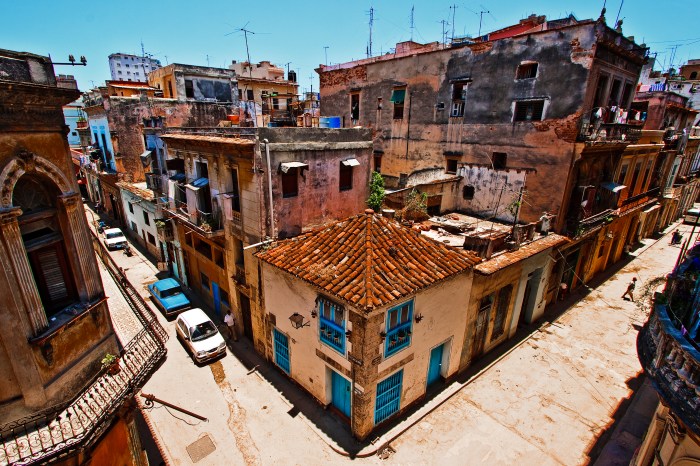
Ninguno de estos escenarios llamaría tanto la atención en la mayor parte del mundo. Quienes no comparten la fe de los involucrados podrían considerar algunas prácticas un tanto extrañas, pero no perjudiciales. Sin embargo, no es así en Cuba, donde el simple acto de orar por el país, especialmente junto con el uso de la bandera nacional, y cualquier esfuerzo de un grupo religioso por satisfacer las necesidades urgentes de la población, enfrentan la hostilidad del gobierno, que amenaza cada vez más con cargos penales a los líderes religiosos que organizan tales actividades. 
Continue reading “Oración, labor social, libertad de expresión: el gobierno cubano no tolerará la verdad”

Truth matters: How misinformation and sensationalism undermines support for victims of human rights violations

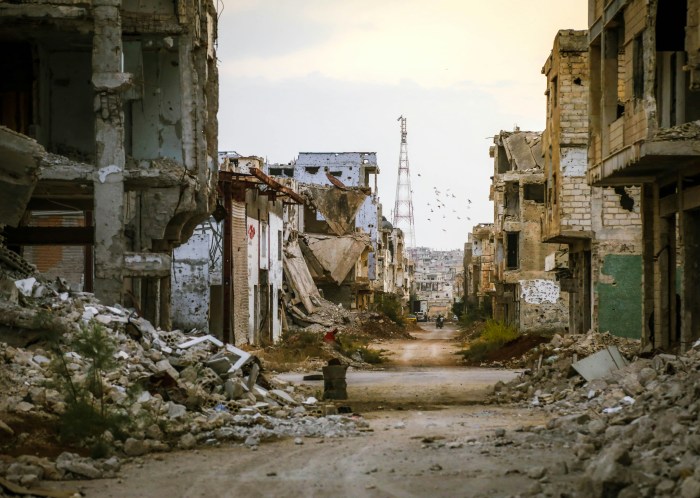
In early March, alarming reports surfaced of the killing of Christians in Syria. As a shocking outbreak of violence claimed the lives of over 1,000 people within just two days, including 745 civilians, many outlets were quick to claim that the country’s Christian community had been the target. 

GB News led with ‘Christians massacred as Syrian jihadist launches killing spree just weeks after toppling Assad’; a writer for the Times of Israel lamented what he identified as the media’s ‘predictable’ disdain for Syrian Christians; the Christian outlet Relevant Magazine claimed that ‘hundreds of Christians’ were among those killed, and countless posts on social media amplified claims of Christians being deliberately targeted and murdered in large numbers. 

Such reporting appeared to confirm the worst fears that many have harboured since December 2024, when President Bashir al-Assad was ousted by a coalition of rebel groups led by the Islamist military organisation Hayat Tahrir al-Sham (HTS), an organisation sanctioned by the US government. In the immediate aftermath of the takeover, many predominantly – though not exclusively – Christian outlets expressed understandable concern over impending threats to the country’s Christian community, with some warning of potential ‘ethnic cleansing’, ‘persecution’ and ‘genocide’. 

Continue reading “Truth matters: How misinformation and sensationalism undermines support for victims of human rights violations”

A year since over 170 Protestants were forced from their homes, authorities in Mexico’s Hidalgo State must take action to protect religious minorities 

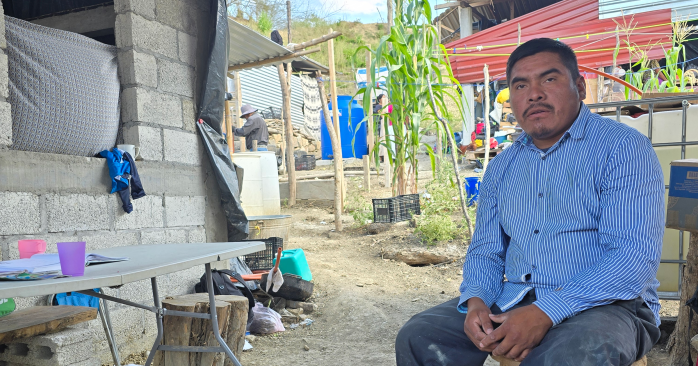
It was the end of 2015 when Rogelio Hernández Baltazar returned to his community in Rancho Nuevo in the Huejutla de Reyes Municipality of Hidalgo State. He had spent several months working in the fields of Coahuila in Northern Mexico, because there were no opportunities for work or to generate income to support his family in his own village. 

This time things were different; he returned to his community transformed after having struggled for years with alcohol addiction and anger management. While he was working in Coahuila a colleague had invited him to the local Fundamental Baptist Church, where he made the decision to convert to Christianity. What he did not know was that it would have serious consequences within his community. 

When Rogelio returned home things seemed not to have changed much, but something inside him had. He had only been attending the church in Coahuila for two months, but when he returned to his indigenous Nahuatl community, people noticed such a significant change in him that they began to wonder what had happened to him in his workplace. With the little understanding that he had, Rogelio began to explain that his radical change was due to what he had read in the Bible, so he invited people to Bible studies in his home.  

Continue reading “A year since over 170 Protestants were forced from their homes, authorities in Mexico’s Hidalgo State must take action to protect religious minorities “

A un año de que más de 170 protestantes fueran expulsados de sus hogares, las autoridades del Estado de Hidalgo, México, deben tomar medidas para proteger a esta minoría religiosa

A finales de 2015, Rogelio Hernández Baltazar regresó a su comunidad en Rancho Nuevo, municipio de Huejutla de Reyes, estado de Hidalgo. Había pasado varios meses trabajando en los campos de Coahuila, en el norte de México, porque no había oportunidades de trabajo ni de generar ingresos para mantener a su familia en su propio pueblo. 

Esta vez las cosas fueron diferentes; regresó a su comunidad transformado tras años de lucha contra la adicción al alcohol y controlar la ira. Mientras trabajaba en Coahuila, un colega lo invitó a la Iglesia Bautista Fundamental local, donde decidió entrar al cristianismo. Lo que no sabía era que esto le traería graves consecuencias en su comunidad. 

Cuando Rogelio regresó a casa, las cosas parecían no haber cambiado mucho, pero algo dentro de él sí. Solo llevaba dos meses asistiendo a la iglesia en Coahuila, pero al regresar a su comunidad indígena náhuatl, la gente notó un cambio tan significativo en él, que empezaron a preguntarse qué le había pasado en su lugar de trabajo. Con la poca comprensión que tenía, Rogelio comenzó a explicar que su cambio radical se debía a lo que había leído en la Biblia, así que invitó a la gente a participar en estudios bíblicos en su casa. 

Continue reading “A un año de que más de 170 protestantes fueran expulsados de sus hogares, las autoridades del Estado de Hidalgo, México, deben tomar medidas para proteger a esta minoría religiosa”

Pastor Efrén Antonio Vílchez López is one of hundreds of independent voices the Nicaraguan government is desperate to silence

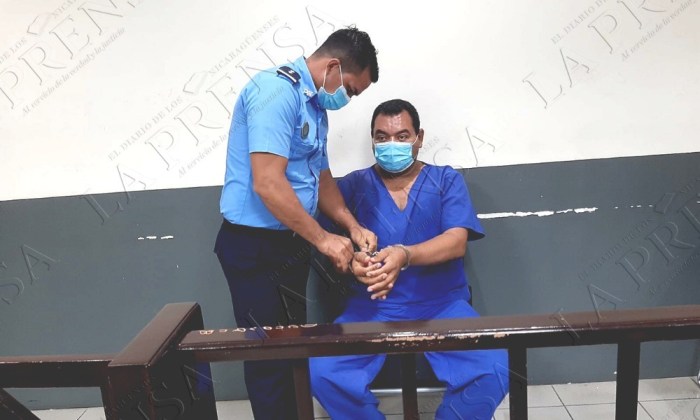
On 15 May 2022 Protestant Christian Pastor Efrén Antonio Vílchez López was beaten and detained as he was leaving the funeral home where he worked in San Rafael del Sur, a town and municipality 50km south-west of the Nicaraguan capital Managua.  

He was not told on what charges he was being arrested, and his family were kept unaware of his whereabouts for three days. He was held at the San Rafael del Sur National Police Station for over two weeks, and then transferred to the notorious Jorge Navarro National Penitentiary System known as ‘La Modelo’. 

While he was in detention the authorities did not provide Pastor Vílchez López, who is diabetic and hypertensive, with his required daily insulin, which ultimately proved life-threatening and resulted in him being sent to a clinic for urgent medical treatment.  

Continue reading “Pastor Efrén Antonio Vílchez López is one of hundreds of independent voices the Nicaraguan government is desperate to silence”