Brexit Wounds – The UK’s Post-EU Human Rights Challenges

As the Prime Minister assembled her new cabinet following the UK referendum on its membership of the European Union (EU), attention was rightly being paid to the how the new-look Government would deal with Britain’s decision to leave. Those appointed by Theresa May know that, whatever their brief, a significant proportion of the Government’s work will be negotiating, executing and accounting for the UK’s withdrawal from EU.

While it is understandable that this unprecedented task will be time consuming for the UK Government, this must not be allowed to supersede its obligation to promote and protect human rights worldwide.

Human Rights within the European Union

For all the debated successes and failures of the EU, what is undeniable is that its various institutions engage in significant human rights work.

Continue reading “Brexit Wounds – The UK’s Post-EU Human Rights Challenges”
Suffocating Democracy: The Suppression of NGOs in Egypt

The Secretary-General of the United Nations, Ban Ki Moon, once said, “Civil society is the oxygen of democracy”. If this is the case, then Egypt’s democracy is slowly suffocating.

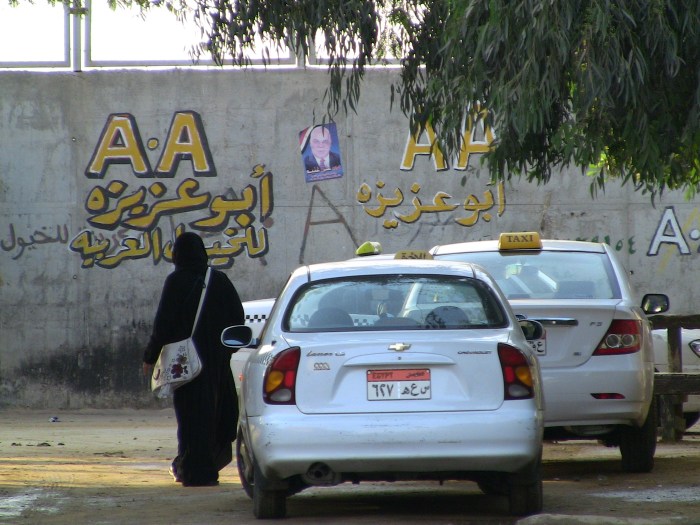
The human rights community in Egypt currently faces an unprecedented risk from what a number of rights activists feel is the worst assault in their history. In addition to the imposition of multiple travel bans, asset freezes and arrests of human rights defenders in the country, the Egyptian Government has also re-opened investigations from 2011 into NGOs they believe have committed the offence of receiving foreign funding.

Investigated, Bound and Gagged

The investigations into both local and foreign NGOs began after the former President Hosni Mubarak’s 30 year rule was ended by a popular uprising in 2011. The investigations were justified by officials at the time on the premise that they were going after organisations funded from abroad which they alleged were working to destabilise the country.

In addition to the re-opening of the investigations, human rights defenders working for these NGOs have been increasingly targeted. They have been summoned for questioning, regularly banned from travel and have had their passports confiscated and their personal and family assets frozen.

To make matters worse, the investigating Judge in the re-opened NGO case, Hesham Abdel Meguid, has issued a legal gagging order that prevents every media outlet in Egypt from publishing any material on the case, aside from official statements issuing from the court. This further compounds the problems Egyptian NGOs are suffering – not only are they being harassed, they are being gagged from talking about being harassed.

Continue reading “Suffocating Democracy: The Suppression of NGOs in Egypt”

From the Darkness into the Light: the Hope for Justice in North Korea

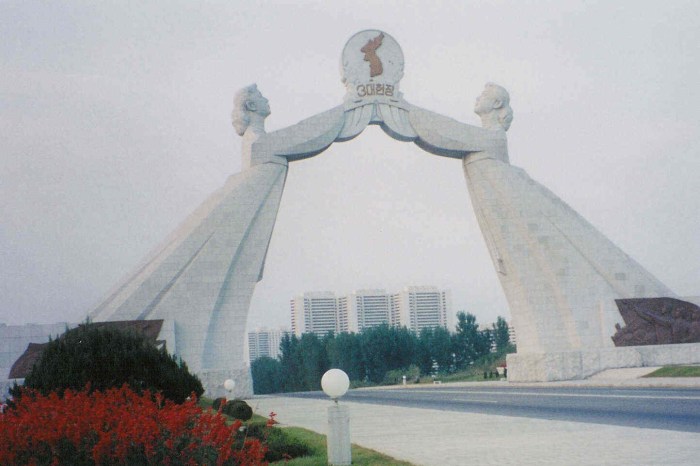
Today, marching, singing and dancing will flood the capital of one the most notoriously secretive and closed nations in the world. 15 April is the “Day of the Sun” in North Korea, one of the most important national holidays in the country because it venerates the late founder and perpetual leader, Kim Il-Sung.

Despite the awesome displays of colourful dance events and firework displays to celebrate Kim Il-Sung’s perceived achievements in creating the ‘revered’ nation, the reality is far from being a day in the sun, but more a descent into darkness.

The ‘Great’ Leader Who Founded a Despotic Regime

Kim Il-Sung, the ‘Father’ of North Korea, was highly instrumental in establishing one of the most authoritarian regimes in the world. Between the late 1940s and early 1990s he oversaw the creation of a country ruled by fear. The Workers’ Party he founded crushed dissent, abducted foreign nationals, created an extremely discriminatory and hierarchical ‘songbun’ caste system, and forcibly detained hundreds of thousands into a hidden prison system, which still subjects North Koreans to forced labour, torture and even execution. Both his son, Kim Jong-Il, and his grandson, Kim Jong-Un have continued the brutal legacy.

Continue reading “From the Darkness into the Light: the Hope for Justice in North Korea”

The UN at 70: Will Freedom of Religion or Belief Continue to be Sidelined?

In October 2015, the United Nations – the most significant global human rights project serving seven billion people in 193 member states – turned seventy.

There is no doubt that the last 70 years have witnessed significant positive development with regards to the legal framework protecting freedom of religion or belief, however, when it comes to the actual realisation of freedom of religion or belief (FoRB) across the world, the situation on the ground in many countries remains challenging.

FoRB in International Law

Although religious freedom does not have its own convention, Article 18 of the International Covenant on Civil and Political Rights (ICCPR), a core human rights treaty with 169 state parties and ratified by 169 states, as well as Article 18 of the Universal Declaration of Human Rights (UDHR) provide strong, legal protection of FoRB These legal protections also cover those with non-religious beliefs. Furthermore, the UN Special Rapporteur on Freedom of Religion or Belief has reported a number of violations of freedom of religion or belief to the UN Human Rights Council and provided a wealth of interpretative information and normative analysis of FoRB.

In practice: the global realisation of FoRB

However, if you base the assessment of the success of the UN on the actual realisation of religious freedom across the world, the performance of the UN remains discouraging.  According to PEW Research Centre, about 5.5 billion people (77% of the world’s population) were living in countries with high or very high overall levels of restrictions on religion in 2013. CSW has reported a wide variety of FoRB violations from 26 countries including Eritrea, Sudan, Burma, China, Pakistan, Cuba, Iran and Egypt. Violations range from violence, killings, imprisonment and sexual violence to discrimination in employment or education and restrictions on the construction of places of worship. Given this background, it is obvious that the implementation of FoRB for all faiths and none remains on a rocky road.

Continue reading “The UN at 70: Will Freedom of Religion or Belief Continue to be Sidelined?”