Bridging the gap: The importance of finding common ground between religious groups and secular human rights organisations 

Oppressive governments depend, in part, on two things: unity among those who support them and divisions within the communities that do not. One of the greatest challenges in addressing freedom of religion or belief (FoRB) in countries where that right is regularly violated is bridging divisions between different groups within the religious sector, as well as the gap that often exists between the religious sector and secular human rights and other independent civil society organisations. 

Religious groups often occupy a unique position within larger independent civil society. They are networked and organised, to different extents, with members who regularly attend and participate in their activities. They often possess a dedicated physical space, where they are able to hold their activities with minimal outside interference. Some religious groups will run outward focused activities, providing social services. In many cases, religious leaders not only hold a significant decree of influence within their respective community – they may also be perceived as moral adjudicators more widely even by people who do not share their religious beliefs.  

Oppressive regimes are sensitive to the danger posed to them by a socially engaged religious sector and outspoken religious leaders who are willing to work hand in hand with larger civil society in defending civil and political rights. Division, therefore, is deliberately encouraged and stoked, often by intelligence and security agencies, with the goal of neutralising or coopting organised independent civil society, including the religious sector.  
Continue reading “Bridging the gap: The importance of finding common ground between religious groups and secular human rights organisations “

Superando la brecha: La importancia de encontrar puntos en común entre los grupos religiosos y las organizaciones seculares de derechos humanos

Los gobiernos opresivos dependen, en parte, de dos factores: la unidad entre quienes los apoyan y las divisiones dentro de las comunidades que no las apoyan. Uno de los mayores desafíos para abordar la libertad de religión o creencias (LdRC) en países donde este derecho se viola con frecuencia, es superar las divisiones entre los diferentes grupos dentro del sector religioso, así como la brecha que a menudo existe entre el sector religioso y las organizaciones seculares de derechos humanos y otras organizaciones independientes de la sociedad civil. 

En general, los grupos religiosos suelen ocupar una posición única dentro de la sociedad civil independiente. Están interconectados y organizados, en distintos grados, con miembros que asisten y participan regularmente en sus actividades. Suelen contar con un espacio físico, donde pueden realizar sus actividades con mínima interferencia externa. Algunos grupos religiosos realizan actividades orientadas al exterior, prestando servicios sociales. En muchos casos, los líderes religiosos no solo ejercen una importante influencia dentro de su respectiva comunidad, sino que también pueden ser percibidos como jueces morales de forma más amplia, incluso por personas que no comparten sus creencias religiosas. 

Los regímenes opresores reconocen el peligro que representa el sector religioso comprometido socialmente y el de aquellos líderes religiosos que se oponen abiertamente al sistema, y que están dispuestos a colaborar estrechamente con la sociedad civil, para generar la defensa de los derechos civiles y políticos. Por lo tanto, las agencias de inteligencia y de seguridad del régimen, fomentan y avivan deliberadamente la división interna de los grupos religiosos, con el objetivo de neutralizar o cooptar a la sociedad civil independiente organizada. 

Continue reading “Superando la brecha: La importancia de encontrar puntos en común entre los grupos religiosos y las organizaciones seculares de derechos humanos”

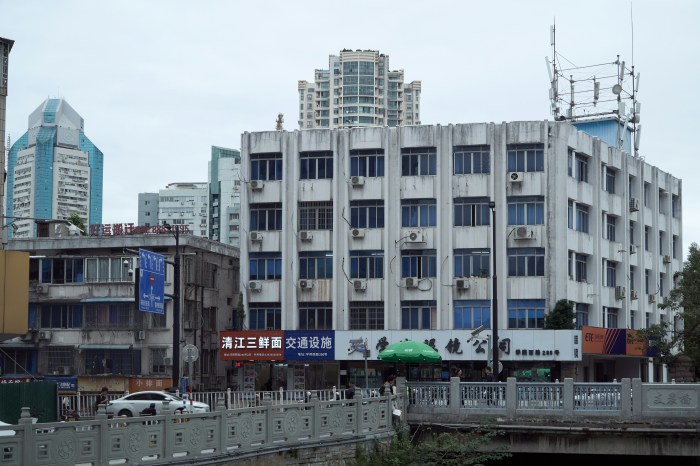
‘Do but don’t speak’: The impact of China’s 709 Crackdown ten years on

On 9 July 2015 the Chinese authorities launched an extensive crackdown on activists, lawyers, human rights defenders and their friends and family members. Dubbed the ‘709 Crackdown’ after the date on which it began, the campaign saw over 300 people detained, interrogated or imprisoned.

It is regarded as one of the worst crackdowns on human rights defenders in China’s history, and marked the start of a relentless stifling of dissent and activism that continues to date.

On the tenth anniversary of the crackdown, CSW presents an account from Christian lawyer Xiangui Fang who was caught up in it, and who has since had to flee China after the authorities threatened him with further imprisonment for continuing to defend human rights cases after his release:

Continue reading “‘Do but don’t speak’: The impact of China’s 709 Crackdown ten years on”

“只做不说” 中国709大抓捕事件十周年之影响

2015年7月9日,中国当局对活动人士、律师、人权捍卫者及其朋友和家人发起了一场大规模的镇压行动。这场被称为“709大抓捕”的行动,因其开始的日期而得名,涉及超过300人被拘留、审讯或监禁。

这被视为中国历史上对人权捍卫者最严重的镇压之一,标志着对异议和活动主义的无情压制一直持续至今。

在大抓捕十周年之际,CSW 提供了基督徒律师方县桂的叙事,他在709大抓捕中被捕,此后因继续代理人权案件而受到当局再次监禁的威胁,最终被迫逃离中国:

Continue reading ““只做不说” 中国709大抓捕事件十周年之影响”

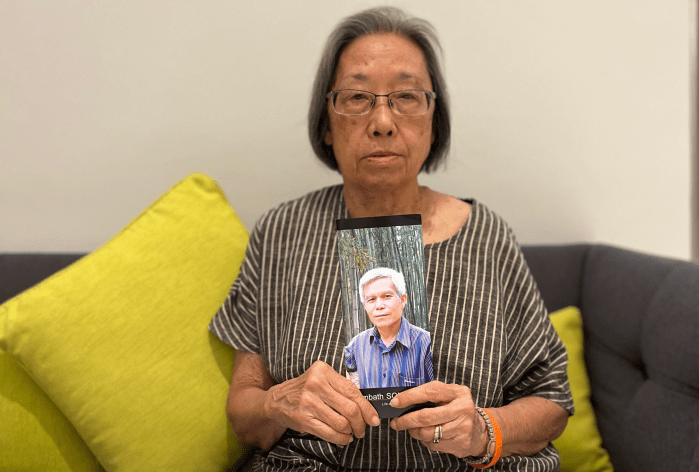
‘Sorrow is a defeatist movement’: An interview with Sombath Somphone’s wife Ng Shui-Meng 

On the evening of 15 December 2012, Sombath Somphone, a leading democracy activist from Laos, was stopped at a police checkpoint on a busy street in the country’s capital Vientiane. Footage from a traffic CCTV camera shows that within minutes of him being stopped, unknown individuals forced him into another vehicle and drove him away in the presence of police officers. The footage also showed an unknown individual arriving and driving Somphone’s vehicle away from the city centre.  

Three years later, Somphone’s family obtained new CCTV footage from the same area and made it public. The video shows his car being driven back towards the city by another unknown individual. 

Somphone specialised in advocating for education of all Laotians, particularly in poor rural areas. He was perhaps the most prominent member of Laos’ small civil society: his work aimed at setting up a community-based development by incorporating the knowledge and opinion of rural people in the planning and management of development projects and programmes throughout the country.

Continue reading “‘Sorrow is a defeatist movement’: An interview with Sombath Somphone’s wife Ng Shui-Meng “