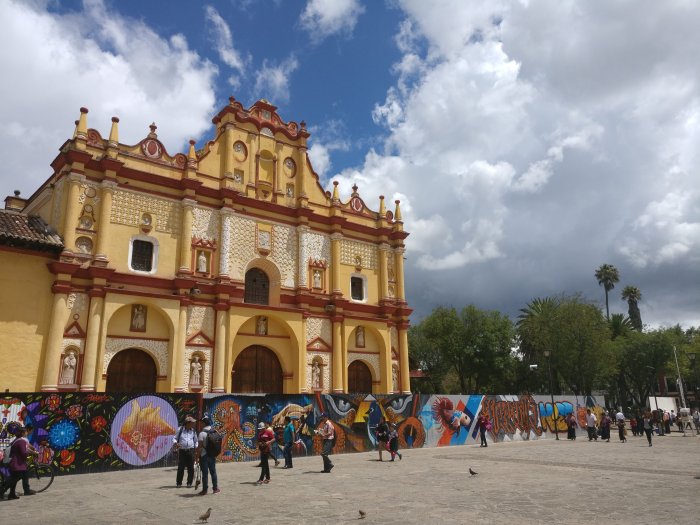
Impunity Breeds Distrust – Religious Leaders as Human Rights Defenders in Mexico

Who do you trust to look after your community? According to the 2018 Edelman Trust Barometer survey, 71% of Mexican citizens would rather put their trust in non-governmental organisations (NGOs) than the government, which has the confidence of a mere 24% of the population.

These stark statistics beg the question: what could be driving such levels of distrust in the Mexican government?

Currently, Mexico is the second most dangerous country in the world to be a Catholic priest. Other religious leaders are also increasingly targeted; between November 2013 and April 2018, 30 religious leaders were killed. In April 2018 alone, three religious leaders were killed. Moreover, Mexico is the second most dangerous country in the world to be a journalist.

Religious leaders often take on the role of human rights defenders (HRDs), engaging with various human rights initiatives in order to bring the issues of their respective communities to the attention of those who can provide legal, practical or advocacy assistance. As such, these religious leaders often fulfil the role of community leaders as well as HRDs. It’s dangerous work. In 2017, 32 HRDs were killed according to a report by Front Line Defenders.

Continue reading “Impunity Breeds Distrust – Religious Leaders as Human Rights Defenders in Mexico”
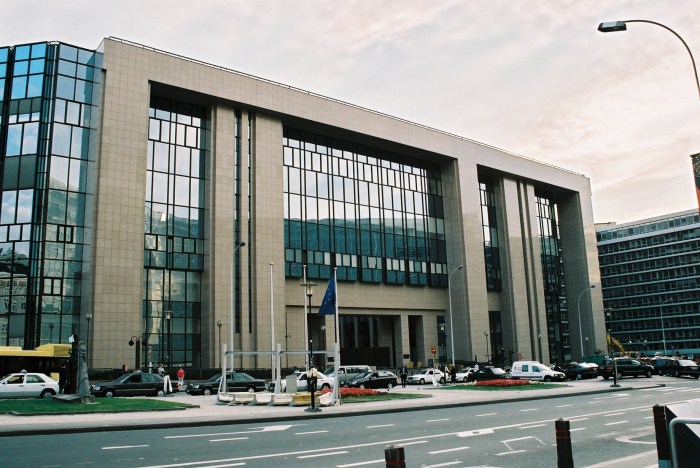
Diplomacy and Determination: Five Years of the EU Guidelines on Freedom of Religion or Belief

June 2018 marks five years since the European Union (EU) Foreign Affairs Council adopted Guidelines on the promotion and protection of the right to freedom of religion or belief (FoRB). This anniversary provides an opportune moment to reflect on how the Guidelines are being used and whether they are fulfilling their intended function.

It is encouraging that FoRB has risen so significantly on the EU’s foreign policy agenda since 2013, but there remains substantial room for improvement. In particular, to ensure better implementation of the guidelines emphasis needs to be placed on increasing EU efforts to train officials on FoRB and on monitoring violations in countries worldwide.

Diplomacy works well until it doesn’t

The EU FoRB Guidelines were the result of a complex drafting process involving broad consultation with civil society specialising in this field of human rights including CSW and negotiated compromises between EU member states. They commit the EU to mainstreaming FoRB in its external human rights policy and identify practical steps EU institutions and member states should take to prevent and address FoRB violations in a “timely, consistent and coherent manner.” The text strongly affirms that the EU is “determined” to promote FoRB as a core part of the indivisible human rights landscape and free from alignment with any particular religious or non-religious agenda.

Continue reading “Diplomacy and Determination: Five Years of the EU Guidelines on Freedom of Religion or Belief”

From Pledges to Action: Human Rights Defenders play a vital role in advancing justice

Moving from official commitments to tangible changes people’s lives remains a key challenge in the realisation of human rights. I am reminded of the wonderful quote from African-American civil rights campaigner, Philip Randolph, who said, “Freedom is never granted; it is won. Justice is never given; it is exacted.”

“Freedom is never granted; it is won. Justice is never given; it is exacted.” – Philip Randolph

This quote draws attention to the importance of promoting human rights while reminding us that very rarely do human rights “just happen”; they are regularly contested, challenged and often only progressed through the active work of individual human rights defenders (HRDs) and NGOs who promote and defend human rights through activities such as advocacy, campaigning, demonstrations, and human rights journalism – whether paid or unpaid and regardless of geographical location.

The right and responsibility to promote human rights – either individually or in association with others – is the cornerstone of all human rights work.

Continue reading “From Pledges to Action: Human Rights Defenders play a vital role in advancing justice”

La vida en Cuba bajo los Castro

Se puede ver la traducción en ingles, aquí [For the English translation, click here]

Mario Felix Lleonart Barroso es un prominente pastor bautista y activista de los Derechos Humanos de Cuba. Queríamos escuchar a la perspectiva de un nacional cubano de la muerte reciente de Fidel Castro y los efectos potenciales que esto tendrá en la libertad de religión y conciencia en la isla.

 ¿Cuál es el significado simbólico para los cubanos de la muerte de Fidel Castro?

Desde hace muchos años el pueblo cubano programó su psicología de masas afirmando que nada cambiaría realmente en Cuba hasta la muerte de Fidel Castro. En este sentido se ha cumplido la meta de espera auto impuesta por el propio pueblo cubano. Fidel Castro trató durante todo el tiempo de su poder a Cuba como si fuese su propia finca particular. Revertir la herencia de miseria que en todos los sentidos este hombre llega a Cuba no será fácil. Cortar los lazos de sus familiares y cómplices será un gran desafío todavía. Pero todos sabemos que el plazo que el pueblo de Cuba ha terminado y que a partir de ahora comienza a destejerse la madeja. Con la muerte de Fidel Castro es como si la maldición se hubiese roto.

¿Cuál era la relación entre Fidel Castro y la libertad de religión/los grupos religiosos en Cuba?

Desde que Fidel Castro anunció a principio de los años ´60 su alianza con el imperio estalinista adoptó también su adversidad a todo lo que fuese religión. Aunque su propósito era hacer desaparecer de Cuba todo vestigio de religión, no lo logró. Fusilamientos, campos de concentración, cárcel, fueron algunas de las medidas extremas que su régimen adoptó en los primeros años de su opresión. Con la caída del muro de Berlín en 1989 y la caída del campo socialista Fidel Castro tuvo que cambiar su política de persecución abierta a cierta tolerancia. El cambio más relevante fue la reforma constitucional de 1992 que declaró que el Estado cubano pasaba de confesionalmente ateo, a laico. En este caso su política pasó de tratar de destruir a intentar manipular a la religión y a grupos religiosos. La mayor expresión de esto es la Oficina de Atención a los Asuntos Religiosos del Partido Comunista de Cuba, una entidad en la cúspide del poder político dedicada a decidir qué permitir y que derogar, de acuerdo a los intereses políticos de los castro, en materia religiosa.

LEE MÁS

Life in Cuba under the Castros

This post has been edited for clarity. For the Spanish translation click here. [Se puede ver la traducción en español, aquí]

Mario Felix Lleonart Barroso is a prominent Cuban Baptist pastor and human rights activist from Cuba. In the following interview with CSW, he shares his perspective as a Cuban national, on the recent death of Fidel Castro and the potential impact this could have on freedom of religion or belief (FoRB) on the island.

What is the symbolic significance for Cubans of the death of Fidel Castro?

Many years ago, the Cuban people collectively resolved to accept that nothing would really change until Fidel Castro died. In this sense, the objective which the Cuban people have themselves imposed, has been fulfilled; Fidel Castro treated Cuba throughout all of his time in power as if it was his own land. Undoing the legacy of destitution which this man brought to Cuba in every way will not be easy. To sever the ties of his relatives and accomplices will be an even bigger challenge. However, we all know that an era has ended for the Cuban people and that from now on, the string will begin to unravel. With the death of Fidel Castro, it is as if the curse has been broken.

Continue reading “Life in Cuba under the Castros”