All posts

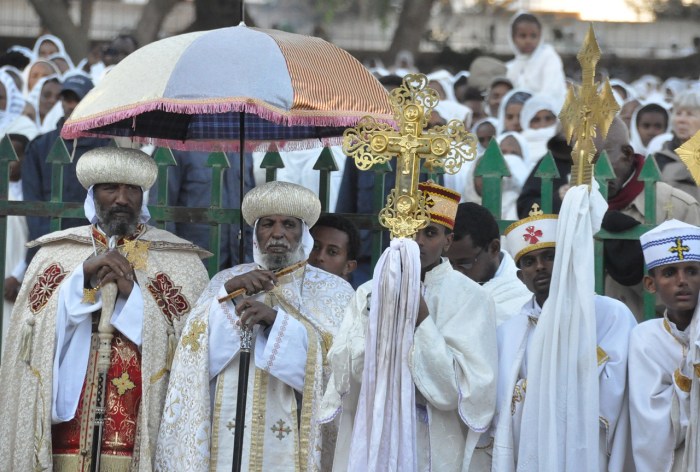
Leaders from the Eritrean Orthodox Tewahedo Church at Timkat Festival in Asmara, Eritrea.

The international community must assist in transforming Eritrea’s pathocracy into a genuine democracy

27 April 1993: Eritrea declares official independence from Ethiopia after a referendum which saw a 98.5% turnout with a 99.83% vote in favour.

The vote took place nearly two years after the defeat of Ethiopian forces in Eritrea in May 1991, which brought with it an end to nearly three decades of civil war. The referendum installed the leader of the Eritrean People’s Liberation Front (EPLF, which later became PFDJ – People’s Front for Democracy and Justice) Isaias Afewerki as president, and it was hoped that he would lead the Eritrean people into a just and democratic future – then-US President Bill Clinton even referred to him as a ‘renaissance African leader’.

Sadly, this did not occur. Afewerki remains the only ruler Eritrea has ever known, and under his leadership the nation’s heroic liberation struggle has been resolutely betrayed due to his obsession with absolute power.

Continue reading “The international community must assist in transforming Eritrea’s pathocracy into a genuine democracy”
A Narikuravar woman walking through her hometown of Mappedu in Chennai, India.

‘Espero que mi esposo me deje ir a la iglesia’: la tensión entre la tradición y la libertad religiosa para las mujeres en la comunidad de Narikuravar

Todas las mañanas, después de terminar sus tareas domésticas, Deepa*, de 17 años, entra en un pequeño edificio con techo de paja en Mappedu, Chennai. Aquí es donde los cristianos pertenecientes a la comunidad indígena Narikuravar en Mappedu se han reunido para reuniones de oración y servicios dominicales durante más de una década.

Deepa ha estado asistiendo a estas reuniones desde que era una niña. Le encantaba aprender versículos de la Biblia, compartir su testimonio y cantar en la iglesia. Pero había un precio enorme a pagar. Hasta el día de hoy, ha enfrentado una gran oposición por parte de sus padres, hasta el punto de que ha sido agredida físicamente porque continúa asistiendo a la iglesia.

Deepa le dijo a CSW: ‘Mis padres solían regañarme y agredirme fisicamente desde que comencé a ir a la iglesia, pero aun así iba. Teníamos peleas en casa todos los días. Me maldecían, me amenazaban con terribles consecuencias y me golpeaban. Simplemente abría mi corazón a Dios y seguía orando. Cuando les dije que me iba a bautizar, se enfurecieron. Ahora he decidido esperar un poco más para bautizarme’.

Continue reading “‘Espero que mi esposo me deje ir a la iglesia’: la tensión entre la tradición y la libertad religiosa para las mujeres en la comunidad de Narikuravar”
A Narikuravar woman walking through her hometown of Mappedu in Chennai, India.

‘I hope that my husband will let me go to church’: the tension between tradition and religious freedom for women in the Narikuravar community

Every morning after finishing her household chores, 17-year-old Deepa* walks into a small thatched building in Mappedu, Chennai. This is where Christians belonging to the indigenous Narikuravar community in Mappedu have been gathering for prayer meetings and Sunday services for more than a decade.

Deepa has been attending these meetings since she was a child. She loved learning Bible verses, sharing her testimony and singing songs. But there was a huge price to pay. To this day, she has been facing significant opposition from her parents, to the point that she has been physically abused because she continues attending church

Deepa told CSW: ‘My parents used to scold me and beat me up since I started going to church, but I would still go. We had fights at home everyday. They would swear at me, threaten me with dire consequences and beat me up. I would just pour my heart out to God and keep praying. When I told them I was going to get baptised, they were furious. I’ve now decided to wait a little longer to get baptised.’

Continue reading “‘I hope that my husband will let me go to church’: the tension between tradition and religious freedom for women in the Narikuravar community”
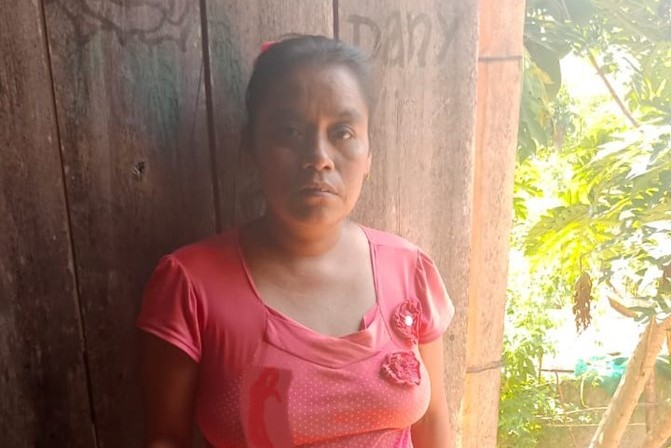
Maria Concepción, a member of the Great Commission Baptist Church in Rancho Nuevo in the Huejutla de los Reyes Municipality of Hidalgo state, Mexico.

Tras el brutal ataque a uno de los suyos, la comunidad que es minoría religiosa en México espera justicia y libertad religiosa

María Concepción Hernández Hernández comenzó el 2023 en el hospital después de un brutal ataque físico que está relacionado con ser parte de la minoría religiosa en su comunidad. El 1 de enero ingresó a cuidados intensivos debido a vómitos constantes que le impedían retener los alimentos. Pasó diez días allí antes de ser dada de alta brevemente solo para regresar a cuidados intensivos debido a vómitos con sangre el 18 de enero.  

Como los médicos no reportaron ninguna mejoría al principio, su familia no veía mucha esperanza, hasta llegar al punto de que los miembros de su iglesia en Rancho Nuevo en el Municipio de Huejutla de los Reyes del estado de Hidalgo, México, habían limpiado un terreno. para su entierro. 

Afortunadamente, ella salió adelante. Regresó a casa el 9 de febrero y hoy camina con la ayuda de su hijo y un bastón. Todavía sufre un dolor de espalda persistente causado por haber sido arrojada con fuerza contra el tronco de un árbol, pero su recuperación sigue siendo milagrosa. 

Continue reading “Tras el brutal ataque a uno de los suyos, la comunidad que es minoría religiosa en México espera justicia y libertad religiosa”
Maria Concepción, a member of the Great Commission Baptist Church in Rancho Nuevo in the Huejutla de los Reyes Municipality of Hidalgo state, Mexico.

After a brutal attack on one of their own, a religious minority community in Mexico is waiting for justice and religious freedom

Maria Concepción began 2023 in hospital recovering from a brutal physical attack that was linked to her membership of a religious minority in her community. On 1 January she was admitted to intensive care due to constant vomiting that meant she was unable to keep food down. She spent ten days there before she was briefly released only to be returned to intensive care due to vomiting blood on 18 January.

As doctors did not report any improvement at first, her family did not see much hope at all, to the point that members of her church in Rancho Nuevo in the Huejutla de los Reyes Municipality of Hidalgo state, Mexico, had cleared a piece of land for her burial.

Mercifully, she pulled through. She returned home on 9 February, and today she walks with the help of her son and a cane. She still suffers from persistent back pain caused by being forcefully thrown into the trunk of a tree, but her recovery remains nothing short of miraculous.

Continue reading “After a brutal attack on one of their own, a religious minority community in Mexico is waiting for justice and religious freedom”