All posts

Latent Justice: The Unfinished Gujarat Story

“The Gujarat Carnage 2002, is certainly one of the bloodiest chapters of post-independent India. The painful reality is, that those responsible for it, are now at the helm of power in India” – Father Cedric Prakash (Human Rights Activist)

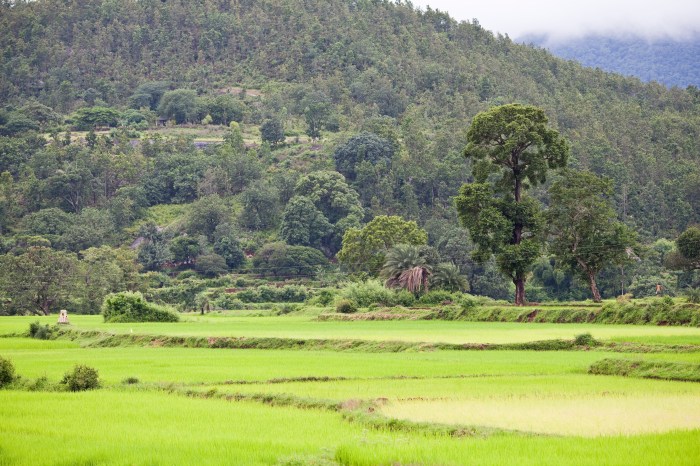
Confronting past crimes is unsettling, particularly when the perpetrators continue to enjoy political immunity. Fifteen years ago on 28 February 2002, violence in Gujarat, India covered the news headlines as an estimated 2,000 Muslims were massacred over several months across 16 districts in the country.

Continue reading “Latent Justice: The Unfinished Gujarat Story”

Shifting Alliances in Northwest Syria Make a Political Solution More Remote

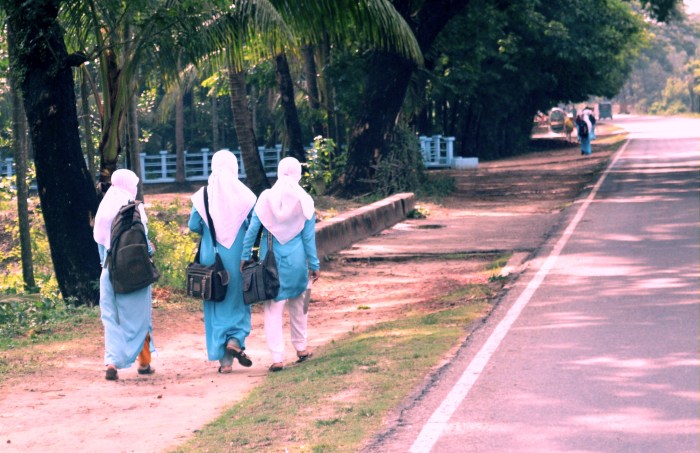
In northwest Syria, religious minorities have suffered multiple attacks on their properties, places of worship and unknown numbers have been killed. The rights of small Christian and Druze communities that remain are likely to be further restricted by the rapidly changing political and military landscape in the area.

Talks in Astana, Kazakhstan

The Kazakh capital, Astana, has been the site of several rounds of talks organised by Russia, Iran and Turkey aimed at finding a political solution to the Syrian crisis. However, shifting power play between the different armed groups that constitute the rebel movement continues to throw up hurdles in the path towards peace.

Continue reading “Shifting Alliances in Northwest Syria Make a Political Solution More Remote”

Bangladesh: How long will impunity rule?

“The culture of impunity can’t go on or violence will increase.” – Ajoy Roy

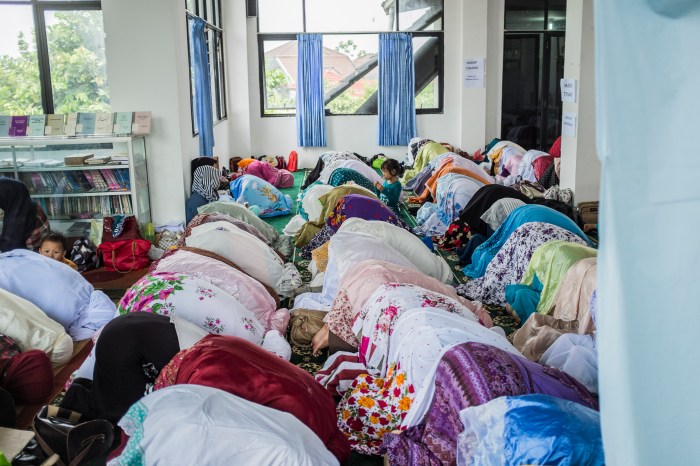
The words of Ajoy Roy, the frail father of the late Avijit Roy hit us hard. We listened in silence as he shared his despair and disappointment at the lack of judicial process following the murder of his son in 2015. The murder of Avijit Roy, a blogger, made international news and became a case representative of the situation facing not just bloggers but journalists, lawyers, religious leaders and religious minorities in Bangladesh; these members of Bangladesh’s civil society are vulnerable to threats, harassment and attacks.

Continue reading “Bangladesh: How long will impunity rule?”

Ahok’s Case: Indonesia’s Pluralism is still in Peril

UPDATE: In May 2017, Ahok was sentenced to two years imprisonment on blasphemy charges. Click here to read more. 

UPDATE 2: Ahok was released in January 2019.

Three years ago today, Christian Solidarity Worldwide (CSW) published one of its most important reports in recent times: Indonesia: Pluralism in Peril – The rise of religious intolerance across the archipelago. The report accomplished three things: it illustrated that religious intolerance in Indonesia is now a nationwide phenomenon, contrary to popular myth, and is not confined to particular parts of the archipelago; it demonstrated that it affects everyone, of all religions – Christian churches are closed down or attacked, Ahmadiyya Muslim mosques and homes burned, Shi’as displaced, Buddhist temples targeted and Confucianists vulnerable, as well as pluralistic-minded Sunnis, and atheists; and it proved that the last President of Indonesia, Susilo Bambang Yudhoyono, was responsible for giving the radical Islamists the green light and fuelling the erosion in the values of the ‘Pancasila’, Indonesia’s state philosophy that protects freedom of religion or belief (FoRB) for all six recognised religions.

Three years on, what has changed?

Continue reading “Ahok’s Case: Indonesia’s Pluralism is still in Peril”

Remembering Egypt’s Revolution

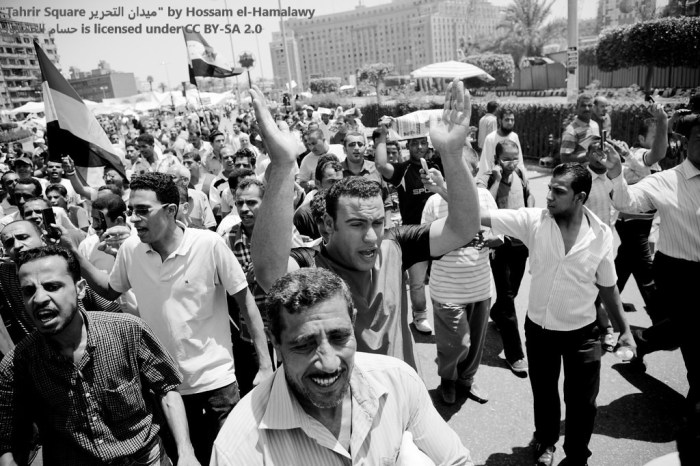
In Egypt 25 January has historically been National ‘Police Day’, commemorating the day in 1952 when 50 policemen were killed and others were injured by the British for refusing  to hand over their weapons to and evacuate Ismaïlia Police Station. However, owing to the events of 25 January 2011, the day is now known to many as the “Day of Rage”, when unprecedented anti-government protests broke out across the country. Three days later, on the “Friday of Anger” a huge demonstration convened in Tahrir Square in Cairo, with protesters demanding the removal of President Hosni Mubarak. On 11 February, 18 days after the demonstrations began, the President stepped down 2011.

Continue reading “Remembering Egypt’s Revolution”